English
 Español
 Português
 Русский
 Deutsch
 Francés
 العربية
 한국어
한국어
 Türk
Türk
 日本語
日本語

Engineering the Perfect Seal: The Mechanics Behind the Modern Glass Hot Pressing Machine
The Real Cost of a Broken Seal
Take a look at any modern high-rise or energy-efficient home, and you'll see Insulating Glass Units (IGUs) doing the heavy lifting for thermal and acoustic control. But an IGU is only as good as its edge seal. If that seal fails, the whole unit fails.
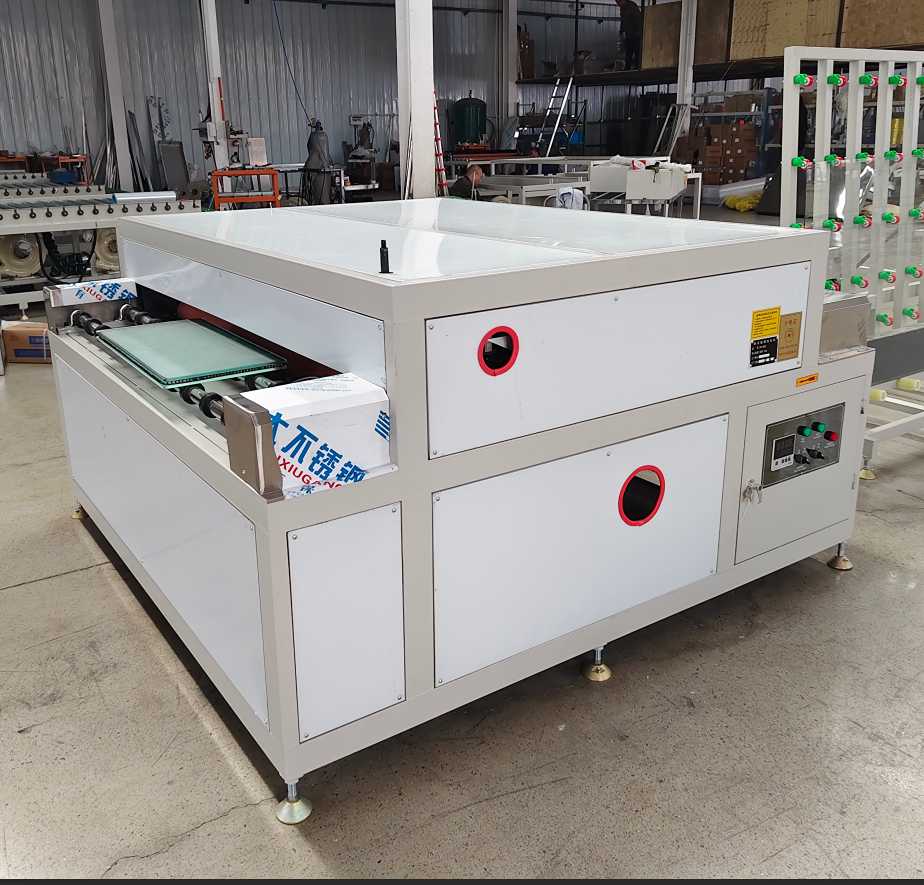
On the factory floor, turning glass panels and composite sealants into a permanent, molecular-level bond falls to one critical piece of equipment: the Glass Hot Pressing Machine. Let's break down the actual thermodynamics and mechanical engineering that make this happen, and look at why getting the math right is non-negotiable for long-term IGU performance.
The Behavior of Composite Sealants
To get the pressing process right, we first have to look at how edge sealants actually behave under stress. The primary and secondary seals usually rely on high-molecular-weight polymers, like butyl rubber and structural silicones. At room temperature, these materials are highly viscous—basically semi-solid.
If you just smash them together with mechanical force while they're cold, the sealant will deform, but it won't physically penetrate the microscopic pores on the glass surface. That incomplete contact leaves tiny capillary channels open, which eventually let moisture sneak in.
This is where temperature control comes into play. The main job of the Glass Hot Pressing Machine is to drive the temperature of the polymer up until it hits its specific "viscous flow state." In this tight thermal window, the polymer softens, its internal friction drops, and it flows perfectly. While it's in this molten state, the equipment applies steady mechanical pressure, driving the polymer deep into the glass substrate. Once it exits the heat zone and cools down, you get a solid, impermeable bond.
The Challenge of Tempered Glass "Waves"
Getting the temperature right is one thing; the physical pressing is another entirely. Modern building codes heavily push for the use of tempered glass. The problem? The tempering process—heating raw glass to around 600°C and running it over ceramic rollers—inevitably leaves slight surface distortions known as "roller waves."
Older pressing setups usually relied on a single, stiff cylindrical rubber roller. If you run wavy glass under a rigid roller, the stress distribution is a mess. The "peaks" of the glass waves take massive compressive stress, which can easily crack the glass right on the line. Meanwhile, the "valleys" see almost zero pressure. Without that pressure, the sealant in the valleys never adheres properly, ruining the entire perimeter seal.
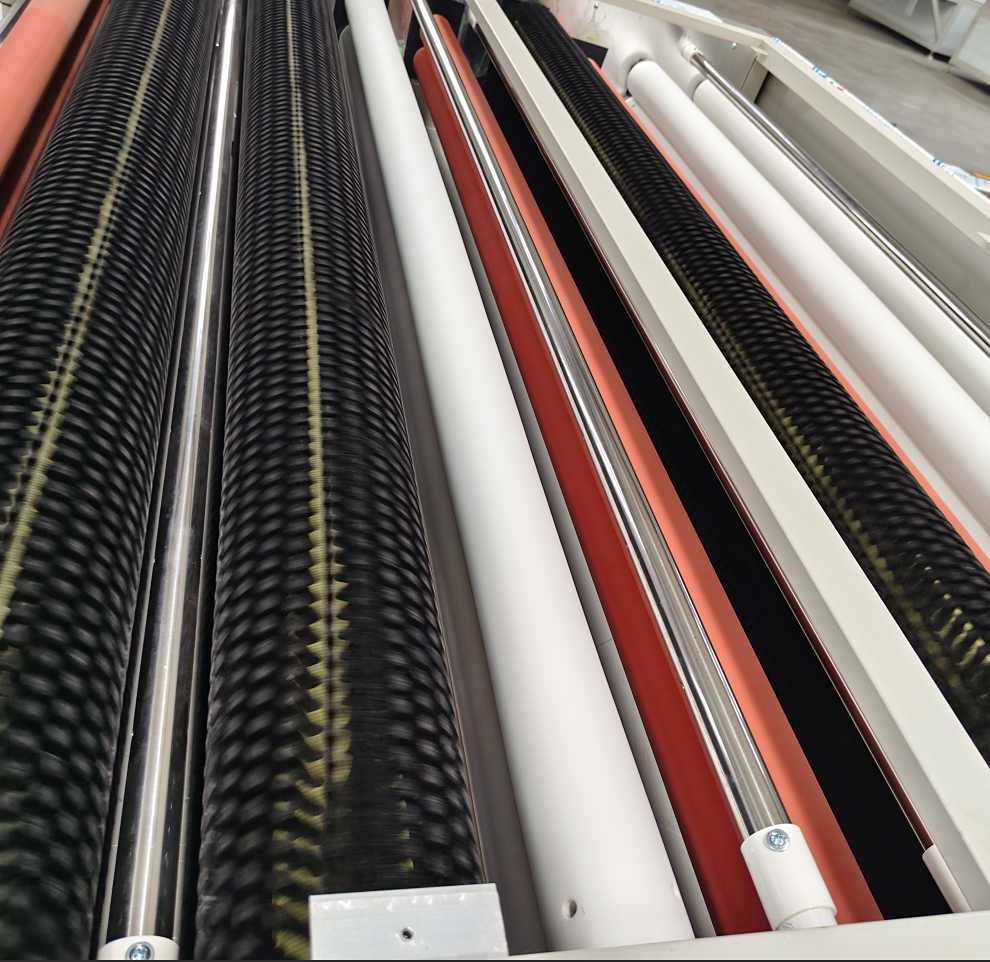
Adaptive Engineering: Solving the Roller Wave Problem
To handle the physical reality of tempered glass, today's industrial machinery had to completely rethink the rigid roller approach.
1. The Multi-Unit Flexible Roller Matrix
The modern Glass Hot Pressing Machine ditches the single stiff roller for a complex, multi-unit matrix of heat-resistant silicone rollers. The key difference here is that each silicone roller unit hangs on its own independent pneumatic cylinder.
Think of it like an independent suspension system on a truck. As a glass panel moves through the press, the matrix actively adapts to the surface. If a few roller units hit a "peak" on the glass, their cylinders retract slightly, absorbing the bump so the glass doesn't break. At the exact same time, if the rollers next to them hit a "valley," those cylinders extend downward to keep the pressure consistent.
This active compensation means every square inch of the perimeter gets the exact same compressive force, wiping out those low-pressure zones that cause seal failures down the road.
2. Closed-Loop Infrared Heating
On the heating side, top-tier versions of the Glass Hot Pressing Machine use segmented, medium-wave infrared (IR) heating. Instead of just blowing hot air around a tunnel, IR penetrates the outer glass layers and dumps thermal energy straight into the composite spacer and sealant.
To keep temperatures dead-on, the system relies on a closed-loop Programmable Logic Controller (PLC). High-end optical pyrometers constantly read the real-time surface temperature of the incoming glass. The PLC takes that data, checks the conveyor speed, and instantly adjusts the power for each specific heating zone.
This feedback loop means that even if line speeds fluctuate or the factory temperature drops, every unit of insulating glass hits the exact micro-degree needed for the sealant to flow properly.
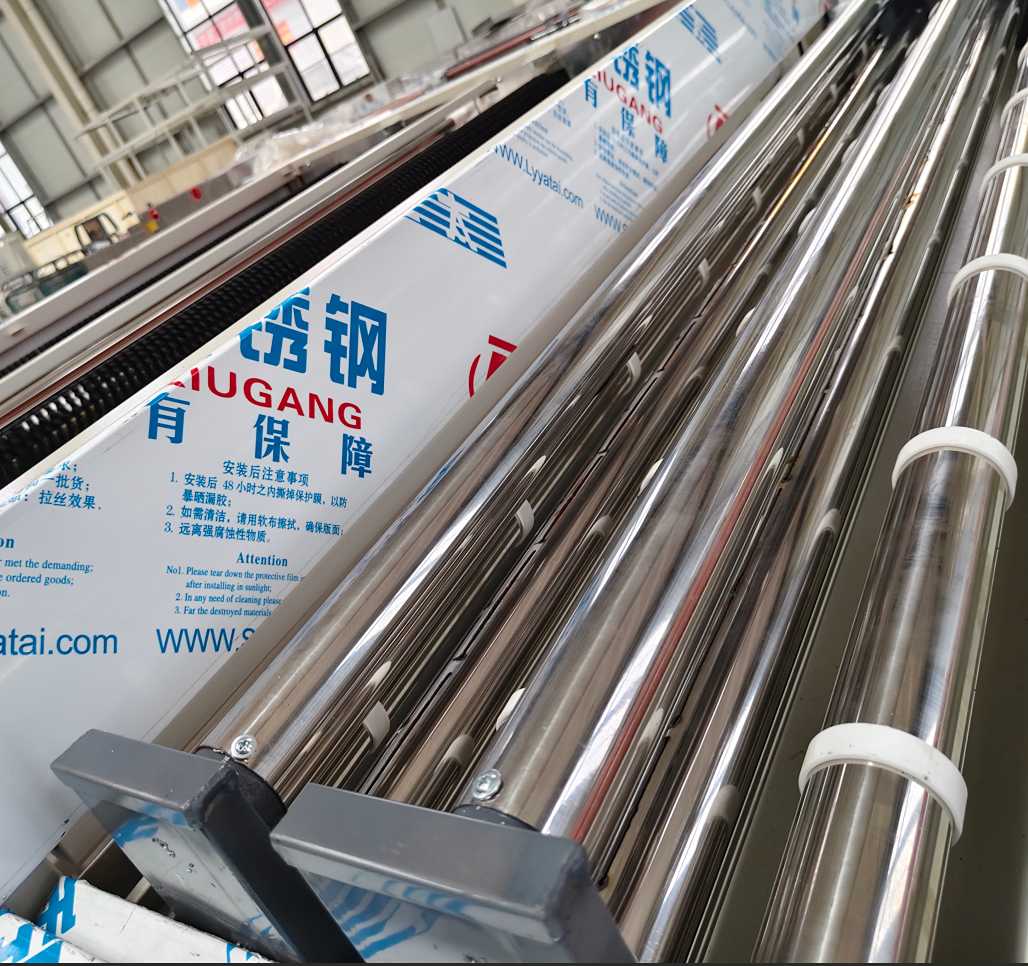
Keeping the Heat Where It Belongs
A good machine also has to make sense on the factory floor. You can't afford to bleed expensive heat into the room.
That's why the chassis on the latest Glass Hot Pressing Machine uses a heavy-duty, multi-layered thermal insulation jacket around the heating chamber. Keeping the heat trapped inside cuts down baseline electrical consumption significantly. Plus, keeping the outside of the machine cool makes the floor a lot safer and more comfortable for the operators running the line.
Moving Toward Predictable Manufacturing
Sealing an IGU shouldn't depend on operator guesswork or the weather outside. By combining smart thermal sensors with adaptive pneumatic rollers, the modern Glass Hot Pressing Machine strips out the physical variables that lead to dead panels.
For glass processors looking to hit near-zero defect rates and meet tough global building specs, understanding the engineering behind these machines is critical. When you invest in equipment backed by solid mechanics, you guarantee that every unit rolling off your line has the structural integrity to last for decades.