English
 Español
 Português
 Русский
 Deutsch
 Francés
 العربية
 한국어
한국어
 Türk
Türk
 日本語
日本語

Your Molecular Sieve Filler Is Failing – And You Don't Even Know It Yet
You Probably Don't Think About Your Molecular Sieve Filler Enough – And That Might Be Costing You
Here's a scene I've seen play out more times than I care to count.
A customer calls. They had new windows installed six months ago, and now there's fog between the glass panes. Not dust. Not a scratch. Actual moisture sitting inside the sealed unit. And once that happens, the whole IGU is junk. You can't wipe it away. You can't repair it.
Most people blame the sealant. Or they think the argon filling leaked. But honestly? I've tracked this back to the molecular sieve filling step way more often than you'd expect.
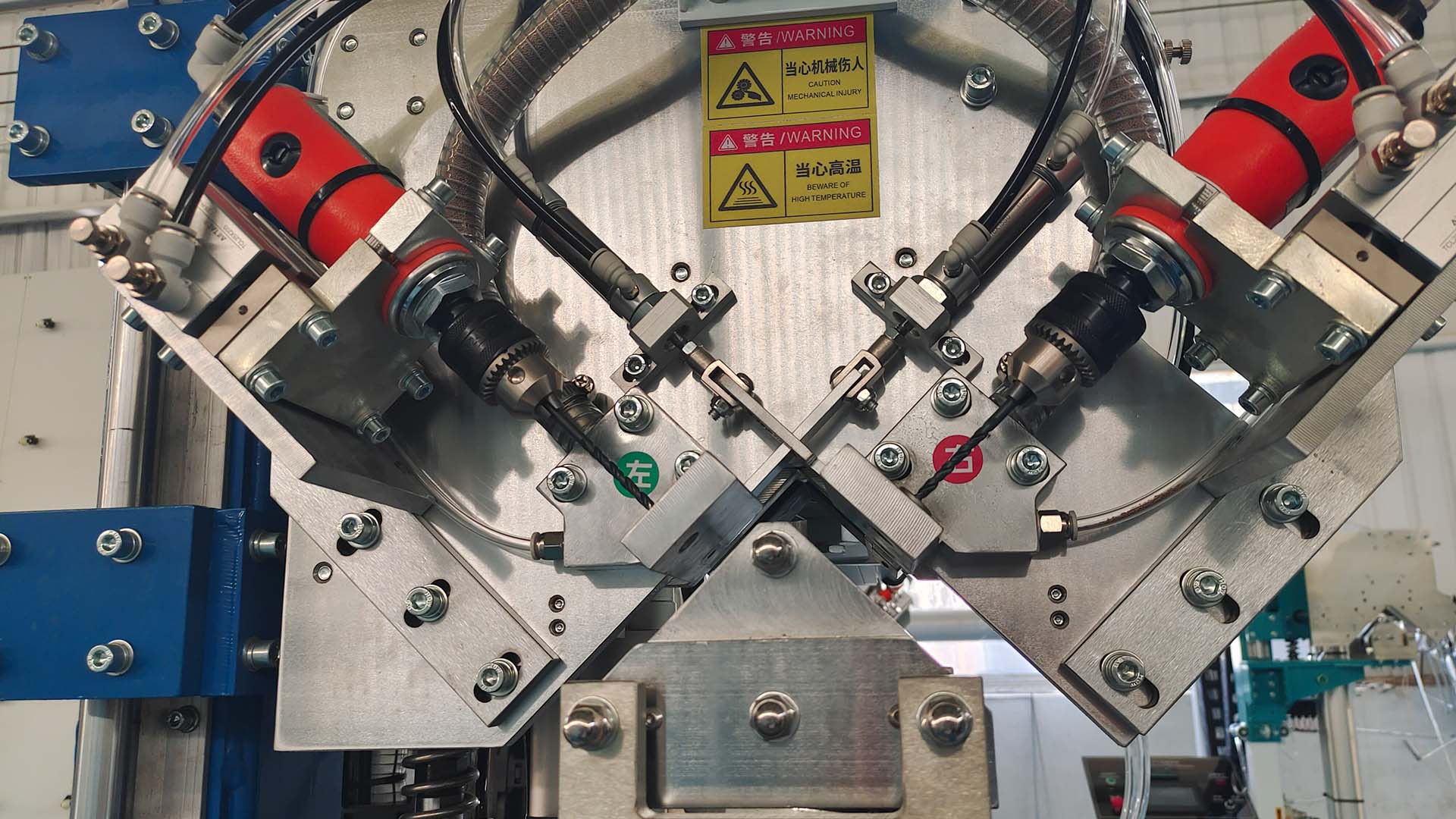
What does a molecular sieve filler actually do?
It puts dry little beads into hollow aluminum spacer bars. That's it. But it matters way more than it sounds.
Spacer bars are hollow. Before you sandwich them between two panes of glass, you have to fill that hollow space with molecular sieve. Those tiny beads are full of microscopic holes – like a sponge. They grab moisture out of the air inside the IGU.
No molecular sieve? Then the air or argon inside the unit stays damp. Temperatures drop, and bam – condensation. Fog.
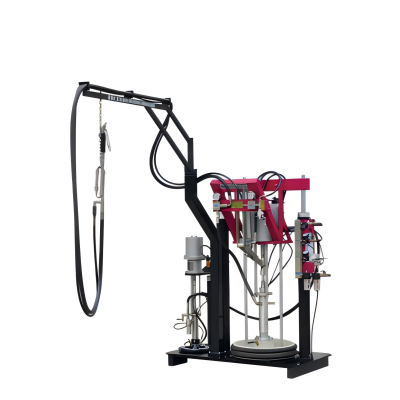
A decent automated filler does three things in about ten seconds. Drills a small hole in the back of the spacer. Shoots the molecular sieve into the cavity without letting any outside air in. Then seals the hole back up.
The sealed filling part is the one you really need to care about.
Here's why. Molecular sieve is thirsty. If it gets exposed to the humid air in your workshop before it goes into the spacer, it starts sucking up moisture right then and there. By the time it gets sealed inside the glass, it's already half-used. Cheap machines skip the sealed filling or do it badly. That's why some manufacturers buy a filler and still end up with foggy windows.
What to actually check before buying one
I've watched people buy molecular sieve fillers based on price and speed alone. Then they spend months fighting problems that could have been avoided.
Ask these questions instead.
What spacer types can it handle?
Some lines use bent aluminum frames – one continuous strip bent into shape. Others use straight bars with corner keys. A good machine handles both. A cheap one might only do one.
Size range matters too. Look for something that goes down to about 6.5mm x 5.5mm and up to 6.5mm x 34.5mm. Frame sizes from 250x250mm to 2000x2000mm. That covers pretty much every window, door, and curtain wall job you'll run.
What size beads does it take?
Different suppliers ship different particle sizes. Common ranges are 0.5-0.8mm and 1.0-1.5mm. If your filler only takes a narrow range, you're stuck with whoever sells that size. That's not a good spot to be in.
How fast does it actually fill?
For a 1x1 meter frame with 9A spacer, eight to twelve seconds is normal. Slower than that and you'll get bottlenecks. Faster is fine as long as the fill is even. Ask for a video. Watch for empty spots or clumps.
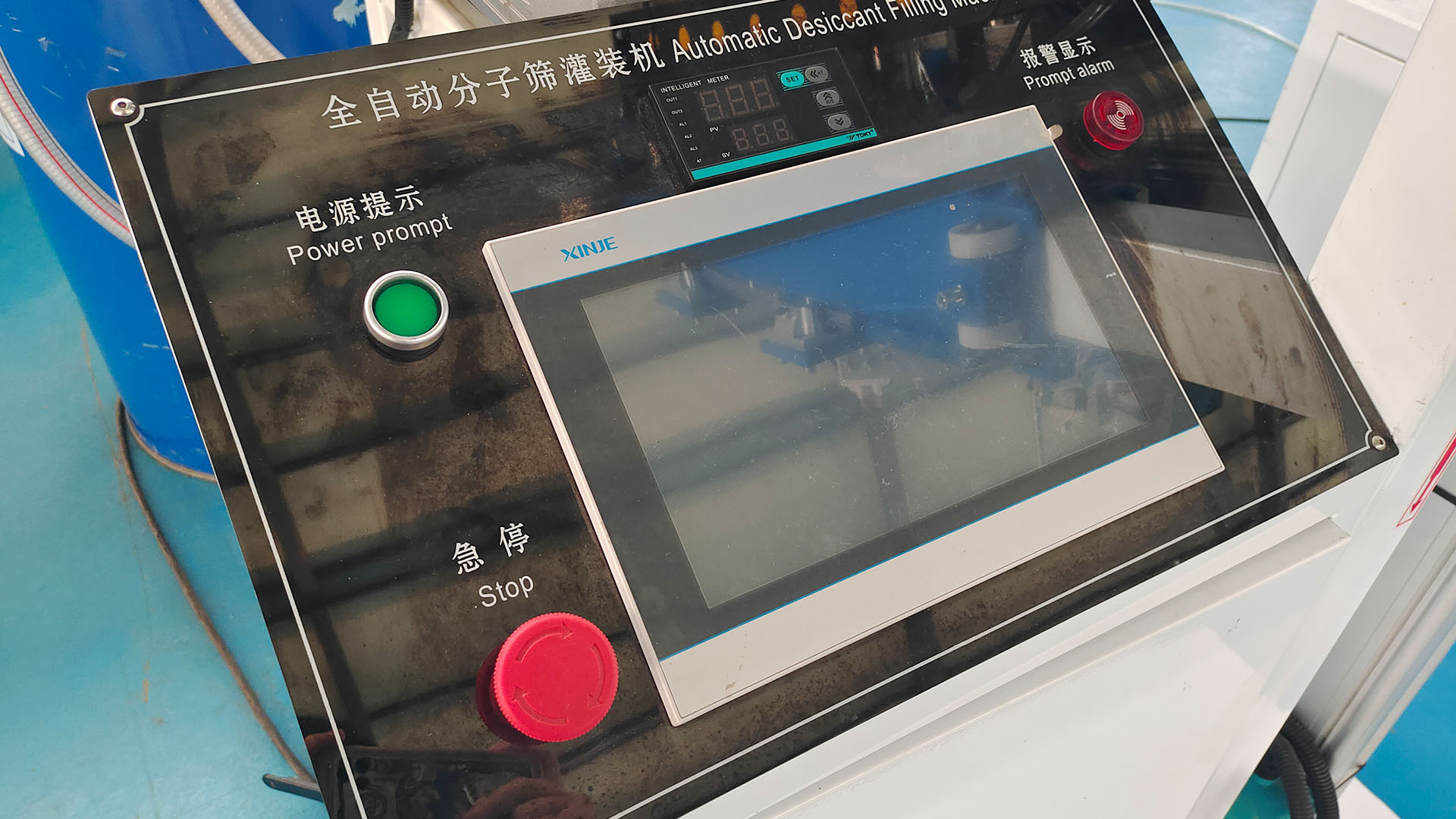
Does it have a PLC and a touchscreen?
This isn't about looking fancy. A proper PLC control with HMI lets you save profiles for different frame sizes. When your guys switch orders, they just tap a button instead of recalibrating everything. Siemens PLCs are common and reliable.
Where it sits in the line
A molecular sieve filler doesn't work alone. It's part of a sequence. Here's what the line usually looks like:
Spacer bender → molecular sieve filler → butyl coater → glass washer → assembly press → gas filler (like argon) → secondary sealer
So if someone is searching for an argon filler or a sealer, they're probably also in the market for a molecular sieve filler. That's why you'll see me mention those other machines – not to keyword stuff, but because that's how real buyers shop.
Three dumb mistakes I keep seeing
"We'll just hand-fill for small batches."
Hand-filling is never consistent. One spacer gets 80% full. The next one overflows. Uneven fill means uneven stress on the glass. Over time, the glass bows or the seals fail. Every factory I've ever talked to that started with hand-filling switched to an automatic machine within six months. Every single one.
Buying an open-air filler to save money.
Open-air means the molecular sieve gets poured while exposed to your workshop air. Workshop air is humid – 40% at least, often 60% or more. The sieve starts soaking up that moisture before it ever touches the spacer. By the time it's sealed inside the glass, its capacity is already shot. Closed-system fillers cost a bit more. Just pay it.
Ignoring the seal quality.
After the filler drills the hole and puts the sieve in, it has to seal that hole back up. Some machines seal poorly. You won't notice at first. But moisture will slowly sneak in through that tiny hole over the next few months. By the time the customer sees fog, you're already on the hook for a replacement.
Maintenance is easy if you do three things
A molecular sieve filler isn't fragile. But it will act up if you ignore these.
Keep your spare sieve dry. Store unused molecular sieve in a sealed container. If you leave it in an open bag, it'll pull moisture out of the air and become useless. This matters even more in rainy seasons.
Clean the filling nozzle. Fine particles build up over time. If you're running two shifts, clean it once a week. A clogged nozzle gives you uneven fills – or nothing at all.
Watch your air pressure. Most machines need 0.5 to 0.8 MPa. Below that, they either fill slowly or don't fill properly. Put a pressure gauge right at the machine's air inlet. Make someone check it every morning. One plant manager told me this single habit cut his filler breakdowns by 80%. That's not a typo – eighty percent.
Quick answers to common questions
Can I use the same machine for molecular sieve and silica gel?
If the particle sizes are close, yes. But for IGUs, you want molecular sieve. It works better at low dew points. Silica gel is fine for medical or electronic packaging, not for windows.
How long will the machine last?
The hardware will go ten years plus. The sieve itself is a consumable – you buy it by the bag, not with the machine.
What power does it need?
220V or 380V, 50Hz. Power consumption is only 0.8 to 1.0 kW. It's not a heavy draw.