English
 Español
 Português
 Русский
 Deutsch
 Francés
 العربية
 한국어
한국어
 Türk
Türk
 日本語
日本語

Butyl Coater Market Heats Up as Energy Rules Bite
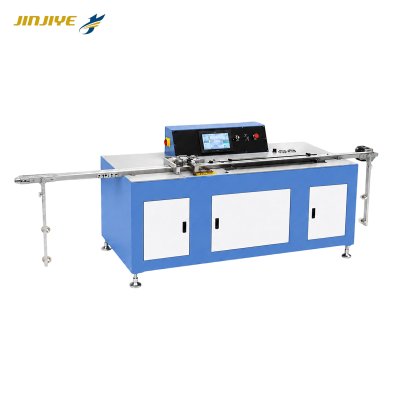
Butyl Coating Machine Market Sees Shift as Glass Fabricators Demand Better Sealant Consistency
As energy codes tighten worldwide, the role of butyl sealant application in insulated glass production is getting renewed attention from manufacturers and equipment suppliers alike.
Industry observers have noted a steady increase in inquiries for high‑precision butyl coating machines over the past 12 months. The trend appears to be driven by stricter building energy standards in Europe, North America, and the Middle East, where argon gas retention requirements have become more rigorous.
“Fabricators are realizing that the first seal – the butyl layer – directly affects whether an IG unit passes or fails gas retention tests,” says a spokesperson from Jinjiye Intelligent Equipment. “We’ve seen more customers asking about temperature stability and glue utilization rates, not just price.”
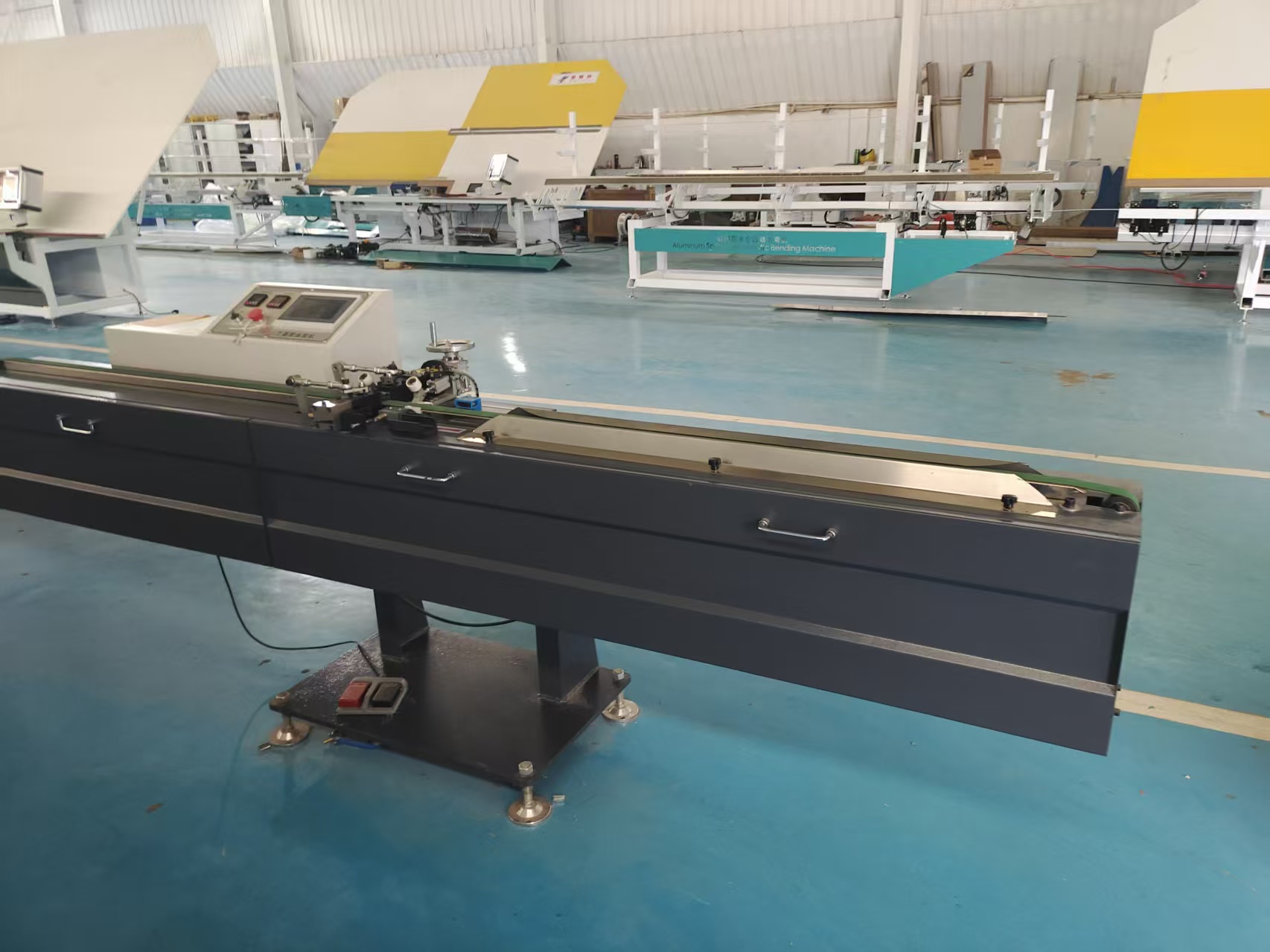
The Challenge: Inconsistent Coating = Failed IG Units
Industry data suggests that poor butyl application contributes to a significant portion of field failures in insulated glass units. Bubbles, uneven ribbons, and temperature fluctuations during coating can create micro‑paths for gas escape. Once argon levels drop below required thresholds – for example, below 82% average under the latest standards – the entire batch may face rejection.
This has pushed glass fabricators to re‑evaluate their existing coating lines. Older machines that rely on manual adjustment and unstable heating systems are increasingly being replaced by automated models with PID temperature control and programmable coating widths.
What the Market Is Asking For
Suppliers report a clear shift in buyer requirements. Instead of just basic functionality, fabricators now prioritize:
Precise temperature control to avoid stringing or poor adhesion
Adjustable coating width (typically 6‑40mm) for quick changeover between spacer sizes
High glue utilization – some modern machines achieve over 95% with minimal residue
Three operation modes (manual, semi‑auto, full‑auto) to fit different production scales
Easy cleaning and maintenance, as butyl residue buildup can affect performance
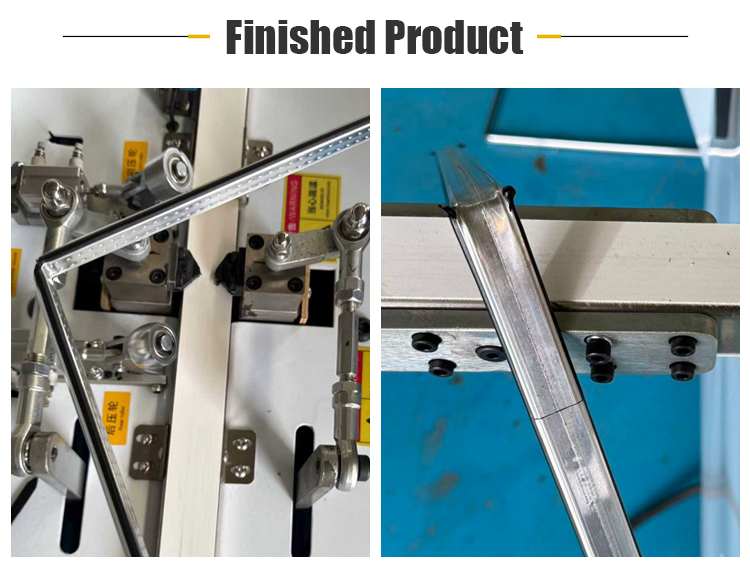
Technological Upgrades on the Rise
Recent product launches show a clear move toward user‑friendly designs. One‑touch adjustable butyl coaters, for example, allow operators to switch glue width without tools. Some high‑end models now incorporate Siemens control systems and servo‑driven transmissions, offering consistent output for 24/7 production lines.
Optional features such as CCD vision positioning and automatic cutting are also appearing, though they remain more common in higher‑tier machines priced above 100,000 RMB.
Regional Demand Patterns
Europe remains a mature market where compliance with EN1279 is non‑negotiable. Fabricators there typically opt for fully automated coaters with documented process data. North America shows similar demand, especially for projects requiring Energy Star certification.
Meanwhile, Middle Eastern and Southeast Asian markets are catching up. As green building initiatives take hold in places like the UAE and Saudi Arabia, glass manufacturers in those regions are seeking equipment that can deliver reliable, verifiable seal quality.
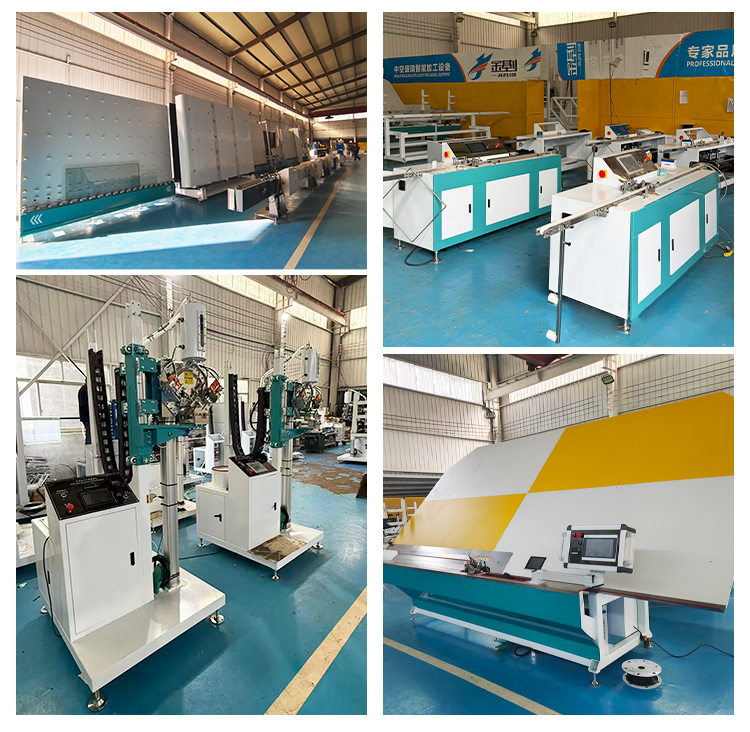
Practical Advice for Buyers
When selecting a butyl coating machine, glass producers should look beyond the initial purchase price. Key considerations include:
Does the machine maintain stable temperature over long shifts?
Can it handle the full range of spacer sizes used in the shop?
How much butyl is left in the tank at the end of each batch?
Are replacement parts and technical support readily available?
Some industry veterans recommend seeing the machine run on an actual production floor before committing. A factory demo can look perfect; real‑world conditions with dust, multiple operators, and long hours tell a different story.