English
 Español
 Português
 Русский
 Deutsch
 Francés
 العربية
 한국어
한국어
 Türk
Türk
 日本語
日本語

What Window Factories Are Asking About IGU Equipment in 2026
What Window Factories Are Asking About IGU Equipment in 2026
In the past, many buyers asked a very simple question: “How much is the machine?”
Now the conversation is different.
More window factories and glass processors want to know whether the equipment can save labor, whether it can handle Low-E glass, whether argon gas filling is available, and whether the machine will still be useful when their orders increase.
This change is easy to understand. The insulating glass market is moving toward better energy-saving performance and more stable production. Customers are no longer satisfied with ordinary double glazing only. Many projects now require Low-E insulating glass, argon-filled IGUs, warm edge spacers, triple glazing, or larger glass sizes.
For factories, this means the equipment must do more than simply produce glass. It needs to help control quality, reduce mistakes, and make daily production easier.
Why Old IGU Production Methods Are Becoming Difficult
Many factories still use manual or semi-automatic production. For small orders, this may be enough. But when order quantity grows, problems usually appear.
Glass washing may not be clean enough. Spacer frames may not be positioned accurately. Workers may handle the same job in different ways. When experienced workers are absent, the quality may change. These small problems can lead to rework, delivery delays, or customer complaints.
Labor is another big issue. In many countries, skilled workers are expensive and not easy to find. Even after hiring new workers, training takes time. This is one reason why more buyers are looking for an automatic IGU production line.
An automatic line does not remove all workers from the factory. Instead, it helps reduce unnecessary manual handling. Workers can focus on machine operation, material preparation, inspection, and packing. Production becomes easier to manage, especially during busy seasons.
What Buyers Care About When Choosing IGU Equipment
Most customers do not want the biggest machine immediately. They want the right machine.
Before choosing insulating glass equipment, buyers usually need to think about their real production situation: glass size, daily capacity, factory space, voltage, glass type, and future product direction.
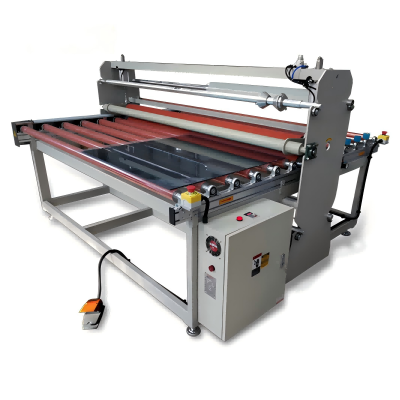
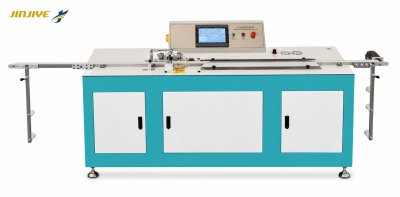
A standard automatic IGU production line may include glass washing, drying, inspection, assembly, argon gas filling, pressing, and output sections. Some factories also need an aluminum spacer bending machine, butyl extruder, two-component sealant machine, sealing robot, or glass lifting equipment.
The final choice depends on what kind of glass the factory wants to produce.
For example, a small window factory mainly making standard double glazing may not need the same configuration as a factory producing Low-E glass, triple glazing, and large-size IGUs for project orders.
Low-E Glass and Argon Filling Are Becoming More Common
Energy-saving windows are one of the main reasons customers upgrade their equipment.
Low-E glass can bring better value to window products, but it also needs more careful handling. The glass should move smoothly through the machine. Washing and drying should be stable. The coating surface needs protection during production.
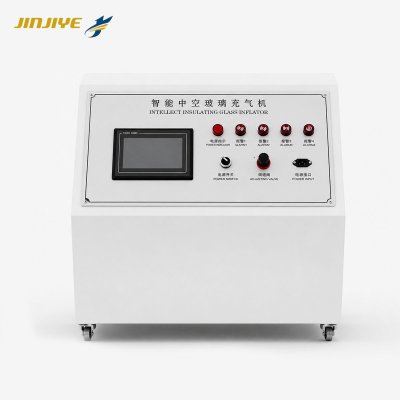
Argon gas filling is also becoming a common option. Many customers ask for argon-filled insulating glass because they want better thermal insulation performance. For factories that serve window system companies, construction projects, or export markets, an argon gas filling IGU line can be a useful upgrade.
If your customers often ask about U-value, Low-E glass, energy-saving windows, or triple glazing, it is better to consider these functions before buying the machine.
Spacer Accuracy Also Matters
Spacer work looks simple, but it affects the final IGU quality.
If the spacer frame is not accurate, the glass may not look good after assembly. It can also affect sealing quality and increase rework. This is why many factories choose an automatic aluminum spacer bar bending machine.
Warm edge spacer is also getting more attention in some markets. For factories that want to produce higher-performance insulating glass, the production line should be flexible enough to meet different spacer requirements.
Do Not Buy Only for Today’s Orders
A common mistake is choosing equipment only based on current small orders. It may save money at first, but the machine may not support future production.
Before buying an IGU machine, it is worth asking a few practical questions:
Will we produce larger glass in the next two or three years?
Will our customers ask for Low-E glass?
Do we need argon gas filling?
Will triple glazing become part of our market?
Is our factory layout suitable for a full line?
Can the supplier support us after delivery?
These questions are more useful than comparing price alone.
A low-price machine may look attractive, but if the machine is unstable, spare parts are hard to get, or after-sales support is slow, the real cost can be much higher later.
Information Needed for a Better Quotation
To get a suitable quotation, buyers should send clear production information to the supplier.
The most useful details are maximum glass size, minimum glass size, daily capacity, glass thickness, double glazing or triple glazing requirement, Low-E glass production needs, argon gas filling requirement, factory layout, voltage, and destination country.
With this information, the supplier can recommend a suitable machine model and configuration instead of giving a general price.
Looking for a Suitable IGU Production Solution?
Choosing insulating glass equipment is not only about buying a machine. It is about improving the way your factory produces glass every day.
A suitable automatic IGU production line can help reduce labor pressure, improve production stability, support Low-E glass, add argon gas filling, and prepare your factory for more demanding customer orders.
Send us your glass size, daily capacity, factory layout, voltage, and production requirements. We will help you choose a suitable insulating glass equipment solution and provide a customized quotation for your factory.
FAQ
What is an automatic IGU production line?
It is a machine system used to produce insulating glass units. It usually includes washing, drying, assembly, gas filling, pressing, and output sections.
Can the machine produce Low-E insulating glass?
Yes. The line can be configured for Low-E glass production with smooth transmission and suitable washing and assembly sections.
Can argon gas filling be added?
Yes. Argon gas filling can be added according to the customer’s production needs.