English
 Español
 Português
 Русский
 Deutsch
 Francés
 العربية
 한국어
한국어
 Türk
Türk
 日本語
日本語

Standalone IGU Machines: A Practical Upgrade for Insulating Glass Production
Why Standalone IGU Machines Are Becoming a Practical Choice for Glass Factories
The insulating glass industry is changing quietly, but quickly. In many markets, glass factories are no longer asking only for a complete IGU production line. More factory owners are now looking for practical standalone IGU machines that can improve one production step at a time.
This trend is easy to understand. Energy-saving buildings are becoming more important worldwide. According to the IEA, buildings account for around 30% of global energy demand, which keeps pushing demand for better building materials and better-performing windows. In Europe, the updated Energy Performance of Buildings Directive also aims to improve building energy performance and move toward zero-emission buildings from 2030 onward.
For glass manufacturers, this means one thing: demand for insulating glass units is likely to remain strong. But not every factory is ready to invest in a full automatic production line. Some factories already have basic equipment. Some only need to replace old machines. Others want to improve sealing quality, reduce labor costs, or solve one weak point in the production process.
That is why standalone insulating glass machines are becoming more popular.
A Full IGU Line Is Not Always the First Choice
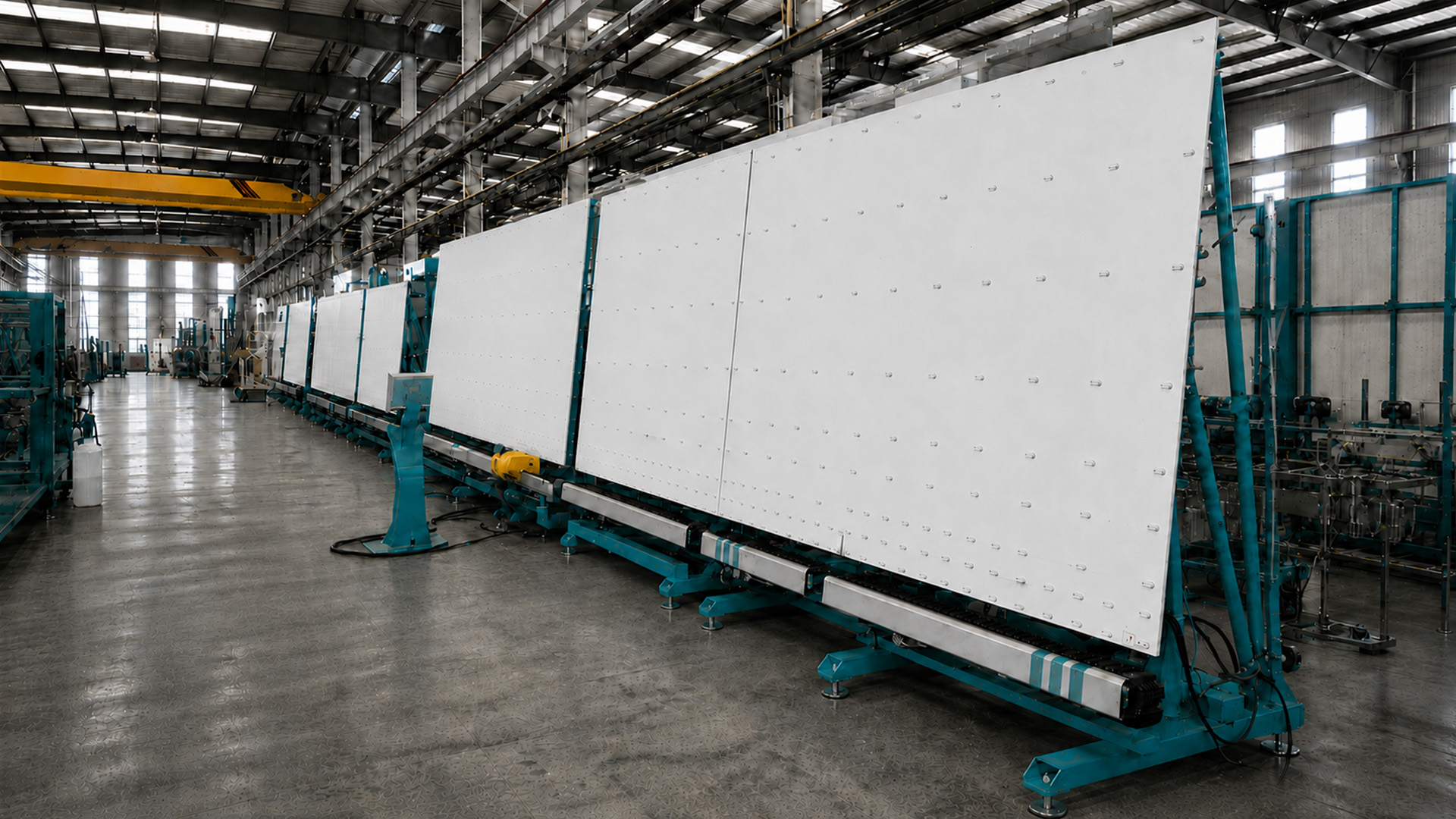
A complete IGU production line is useful for large factories with stable orders and enough workshop space. It can connect washing, assembly, pressing, gas filling and output into one continuous process.
But for small and medium glass factories, the situation is different.
Many factories already have workers, glass washing equipment or manual sealing stations. Their real problem may not be the whole production line. It may be slow spacer bending. It may be uneven butyl coating. It may be manual desiccant filling. It may be unstable secondary sealing.
In these cases, buying one suitable standalone IGU machine can be more realistic than buying a full line.
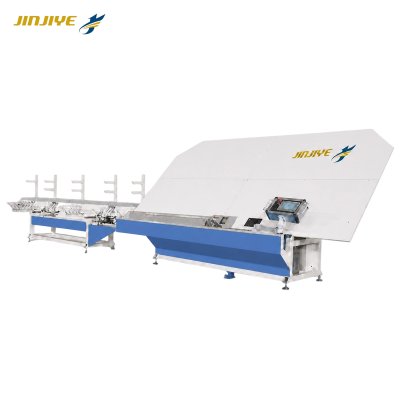
For example, if a factory still bends aluminum spacers by hand, an aluminum spacer bending machine can improve frame accuracy and reduce manual mistakes. If workers are manually filling molecular sieve, a desiccant filling machine can make the process faster and cleaner. If the primary seal is uneven, a butyl extruder machine can help create more stable sealing quality.
This is a practical upgrade, not an unnecessary large investment.
The Most Common Standalone IGU Machines
When customers talk about insulating glass equipment, they often know the production problems, but they may not always know the exact machine names. Instead of only saying “molecular sieve filling machine” or “butyl extruder,” it is better to explain the machine according to the production step.
1. Primary Sealing Equipment
The first seal in IGU production is usually butyl sealing. This step is important because it affects the airtightness of the insulating glass unit.
The main equipment is the butyl extruder machine, also called a butyl coating machine or primary seal machine. It applies butyl sealant evenly on both sides of the aluminum spacer.
For factories that want better sealing quality, this machine is usually one of the first machines to upgrade.
2. Spacer Processing Equipment
Before sealing, the aluminum spacer needs to be cut, bent and prepared. The aluminum spacer bending machine helps factories produce spacer frames with better size accuracy.
For small and medium factories, this machine can reduce manual bending errors and improve the consistency of IGU production.
3. Desiccant Filling Equipment
Desiccant filling is another key step. The molecular sieve inside the spacer helps absorb moisture inside the insulating glass unit.
A molecular sieve filling machine, also called a desiccant filling machine, is used to fill aluminum spacers quickly and evenly. Compared with manual filling, it saves time and helps keep the workshop cleaner.
4. Secondary Sealing Equipment
The second seal is usually applied after glass assembly and pressing. This step often uses polysulfide, silicone or polyurethane sealant.
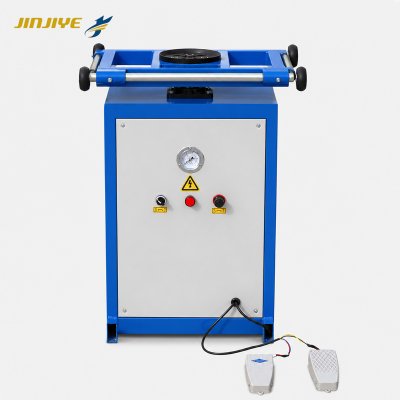
Common machines include two-component sealant extruders, secondary sealing machines, and rotating sealing tables. For factories that still seal by hand, a rotating sealing table can make operation easier. For higher production needs, a two-component sealing machine can improve sealant mixing and application stability.
Why Factories Prefer Step-by-Step Upgrades
One reason is budget control. A full production line requires a larger investment, more space and more planning. But a standalone IGU machine can be added to the current production process more easily.
Another reason is flexibility. A factory may only need to improve one step now, and then upgrade another step later. This is especially useful for companies whose orders are growing but not yet large enough for a complete line.
There is also less training pressure. Workers can learn one machine first instead of changing the entire workflow at once.
For many factory owners, this is the safer choice: solve the current production problem first, then expand when the market is ready.
What Problems Can Standalone IGU Machines Solve?
The biggest problem is inconsistent quality. In manual production, sealing thickness, spacer accuracy and desiccant filling quality may change from worker to worker. This can affect the final IGU performance.
Standalone machines help standardize these key steps.
A butyl extruder makes primary sealing more even. A spacer bending machine helps keep frame dimensions accurate. A desiccant filling machine improves filling speed and consistency. Secondary sealing equipment helps create a cleaner and stronger edge seal.
Another problem is labor cost. In many markets, skilled labor is becoming harder to find. Machines cannot replace every worker, but they can reduce repetitive manual work and help workers produce more with less effort.
How to Choose the Right IGU Machine
Before buying, a factory should not only ask for the cheapest machine. It should first check its real production bottleneck.
If the main issue is slow spacer frame preparation, start with spacer bending equipment.
If the problem is unstable first sealing, choose a butyl extruder machine.
If filling desiccant takes too much time, choose a molecular sieve filling machine.
If the edge seal is not clean or stable, consider secondary sealing equipment.
It is also important to confirm glass size, spacer type, voltage, workshop space and daily production needs. A suitable machine should match the factory’s actual process, not just look good in a catalog.
Industry Outlook
The demand for better insulating glass is connected with energy-saving buildings, renovation projects and higher window performance requirements. As these requirements grow, glass factories need more stable production methods.
However, the market is not only moving toward large automatic lines. Many factories are choosing a more flexible path: upgrading single machines step by step.
This is good news for small and medium glass processors. They do not have to wait until they can afford a full IGU line. They can start with the machine that solves their most urgent problem.
For suppliers, it also means the message should be clearer. Customers do not always want “a complete solution.” Sometimes they simply need a reliable butyl extruder, a desiccant filling machine, an aluminum spacer bending machine, or secondary sealing equipment.
Final Thoughts
Standalone IGU machines are becoming an important part of the insulating glass equipment market. They help glass factories improve production efficiency, reduce manual work and upgrade quality without buying a complete production line.
For factories that want to improve one production step first, these machines offer a practical and cost-effective choice.
Whether the need is primary butyl sealing, spacer bending, desiccant filling, secondary sealing or auxiliary handling, choosing the right standalone IGU machine can make daily production smoother and more stable.