English
 Español
 Português
 Русский
 Deutsch
 Francés
 العربية
 한국어
 Türk
 日本語

Low-E Edge Deletion: The Width Depends on the Job
Suppose the next job uses the same Low-E glass as the one you've just finished. The pane sizes are similar, but one job has a deeper secondary seal. At the edge-deletion machine, it's tempting to leave the width setting alone. The glass hasn't changed, after all.
The edge detail has. A strip that suited the first order may leave coating where the second order needs a prepared bonding surface. Making every strip wider isn't a good answer either: the cleared band may become visible beyond the area hidden by the frame.
For a buyer comparing a Low-E glass edge deletion machine, the useful question is which widths the actual jobs require, and how the equipment produces them.
The glass name comes before the width setting
“Low-E” on an order sheet isn't enough to decide the treatment. Some glass comes with instructions that allow a named sealant to bond to the coating. In that case, leaving the coating in place may be permitted for the specified use. A different glass product can come with a requirement to remove it. The operator needs that answer before choosing a setting.
Use the product designation on the delivery paperwork. If you've ordered the heat-treatable version, that detail needs to reach the person setting up deletion too. Keep the sealant names with it. The current processing instructions need to cover that combination. Permission to leave one coating intact doesn't carry over to another product just because both are sold as Low-E.
A temporary protective layer and the Low-E coating underneath are two different things. Tell the machine supplier which layers will still be on the pane when edge deletion begins. The proposed operation must deal with the material actually arriving at the machine.
Work from the seal back to the glass edge
On the approved IGU edge section, the glass edge, spacer, primary seal and secondary seal should all be visible. Add the boundary where the remaining coating begins. That puts the removal width and the seal arrangement on the same drawing.
The dimension runs inward across the glass surface. It isn't the cavity width between the panes, and a spacer's nominal width doesn't give you the answer.
Return to the two hypothetical orders. On the second job, suppose the spacer sits farther from the glass edge, leaving more room for secondary sealant. The cleared strip still ends where it did on the first job. Does it reach far enough for the new seal arrangement? Compare that edge section with the coating supplier's requirements before running the batch. Moving the spacer doesn't change the strip already removed from the glass.
The other boundary is visual. Where the installation leaves part of the glass edge visible, a wider cleared strip may change the finished appearance. A sample made to the intended construction lets the customer see that before a full order is processed. The width entered for this order should come from its agreed edge detail; the brochure tells you how wide the machine can go.
A wide strip changes the equipment discussion
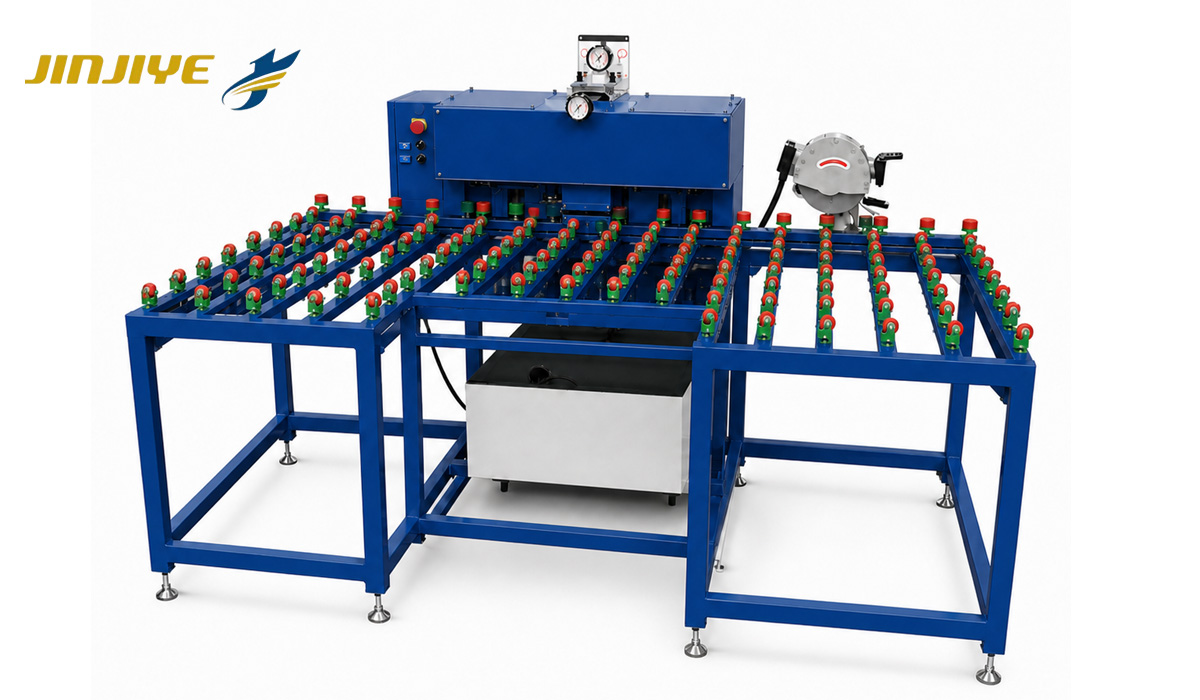
A narrow perimeter band and a broad cleared area can require different work from the deletion head. If the wheel doesn't cover the required band in one pass, the machine may need to work across it in overlapping strips. The completed surface matters across the joins between those passes as well as along their outer boundary.
This is where a sample of the widest regular job earns its place in a machine trial. A demonstration using only a narrow strip leaves that part of the purchase unanswered. Keep the glass specification and required removal width with each sample, so the results can be traced back to the job being discussed.
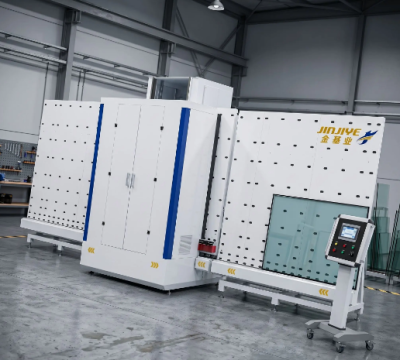
There are different places to carry out the operation. JINJIYE's automatic glass cutting system lists Low-E deletion as an optional function. With a vertical Low-E coating deletion machine, the panes go to a separate machine for removal. Where it fits in the process depends on the glass you're running.
For heat-treated glass, settle the before-or-after-tempering question with the glass supplier first. Then lay out the route through the shop: where the pane is loaded, where the coating is removed and where it goes next. If you're buying deletion on the cutting table, look for that option in the quote. A cutting system described as suitable for Low-E glass doesn't necessarily include it.
Inspect the prepared edge before it disappears inside the unit
A neat-looking strip is only the first observation. The required coating removal must be continuous, including at corners. Inspect the cleaned glass using the coating supplier's verification method; where an approved electrical check is specified, use it alongside the required visual inspection. A coating-removal check doesn't replace the sealant adhesion checks required for the finished material combination.
Keep a sample with the wrong width separate from one with incomplete removal. They lead to different questions. The first sends you back to the job dimensions or setup; the second needs investigation of the removal process even if the band measures correctly. Calling both simply “bad deletion” loses useful information.
For a purchase trial, a change between two approved widths is worth seeing. Use the next job on the list and let the operator make the width change as they would during a shift. Then measure the strip on the first pane. The job reference and measured band should agree. Watch where the width comes from. If the operator types it in, that step still needs doing on your factory floor.
Send JINJIYE an edge drawing from a normal order, with the glass specification attached. If you also run jobs with a wider deletion band, include one of those. The supplier can then work through both with you when discussing the machine and its tooling.