English
 Español
 Português
 Русский
 Deutsch
 Francés
 العربية
 한국어
한국어
 Türk
Türk
 日本語
日本語

Butyl Extruder Capacity: How Many Frames Can You Run in a Shift?
The job sheet says 100 units. At the butyl machine, that could mean 100 spacer frames, or considerably more.
If every unit is double glazed, the count is straightforward. Add triple glazing and you've added another spacer frame for each of those units. The finished-unit total can stay exactly the same while the coating work grows.
This matters when you're buying a butyl extruder. A quotation might give you a speed in metres per minute, but someone still has to work out whether that machine can prepare the frames your assembly line needs each shift.
For a factory using conventional rigid spacer frames, here's a practical way to do that calculation.
Start with the Frames on the Order List
Suppose that order is made up of 60 doubles and 40 triples. With one separate spacer frame per cavity, the butyl station has 140 frames to coat.
That is already a different requirement from 100 double-glazed units. Size changes the workload too. A small bathroom-window frame may be easy to turn at the machine. A wide frame for a fixed window has more perimeter to coat and may need support well beyond the belt.
The enquiry starts to make sense when each quantity has a frame size beside it. Include the spacer widths, too. Two cavities in a triple-glazed unit may use different widths, which means the operator could have a width change to make within that same order.
One page from a normal day's production is enough to start the conversation. Give each supplier that page and let them work through it. You'll be able to see which sizes their estimate covers and where they've allowed time for changing the setup.
Watch the Operator Between Passes
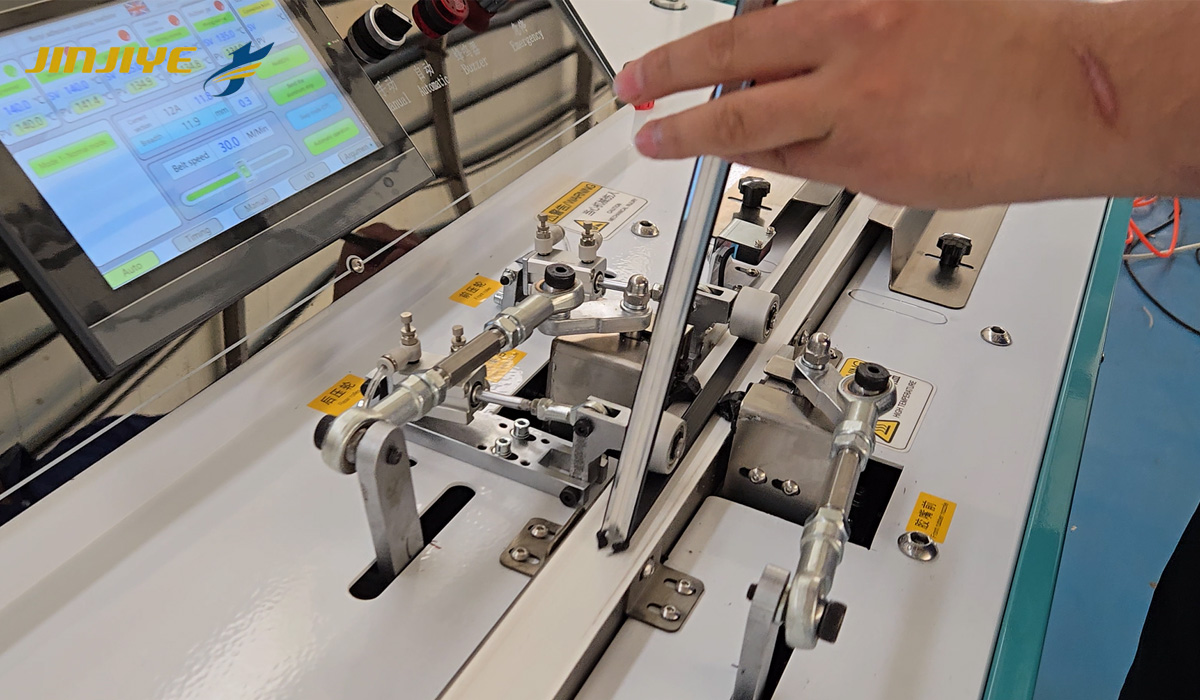
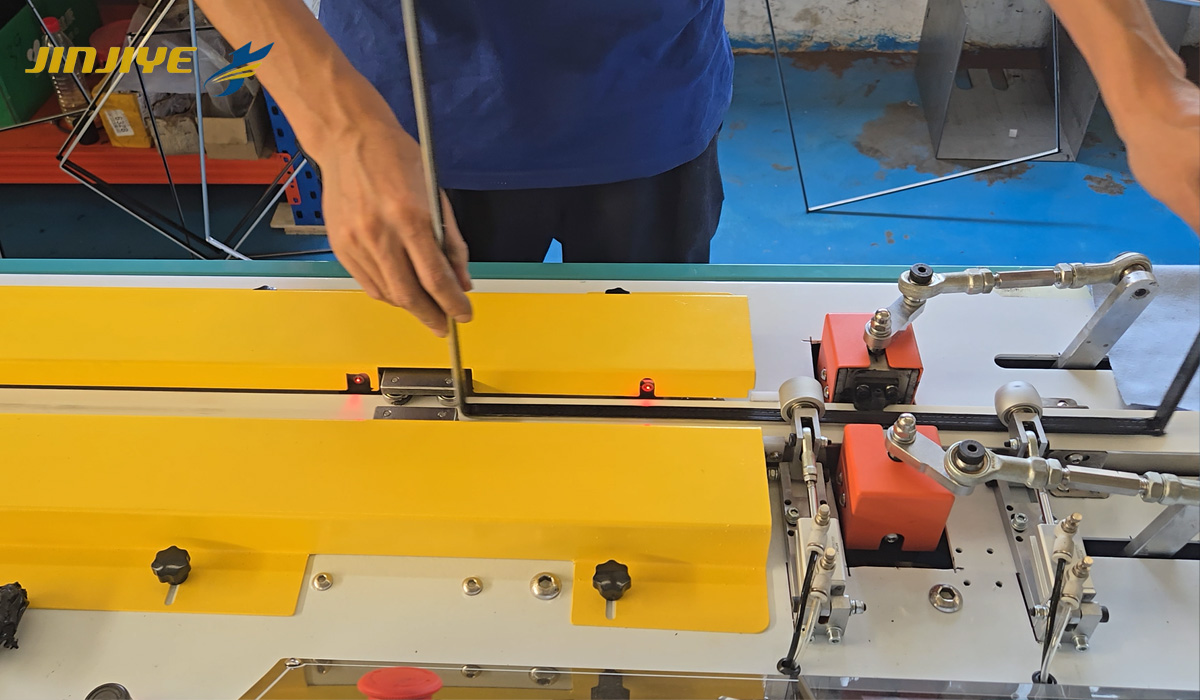
At a semi-automatic butyl coating machine, the operator guides the frame through, turns it and lines up the next side. After the last pass, there's still a coated frame to put down and another one to collect. Those movements are easy to overlook when you're watching the sealant come out of the nozzles.
A figure in metres per minute describes the feed movement. You can't get the time spent picking up and turning a frame from that figure.
For a video demonstration, ask for a wide shot and an uncut run through the batch. Where does the operator collect the next frame? How far away is the place for the finished one? Both need to stay in view if you're going to use the video to judge output.
A large frame may take some care to turn without losing support. Smaller ones can pass through quickly, with the operator soon reaching for the next. If a second person helps with the demonstration, include that person in the labour assumption. The result may be perfectly useful, but you'll want to know what staffing produced it.
For the JINJIYE butyl coating machine you're considering, the demonstration should include the supports and handling equipment needed for your frames. If something used in the trial is an extra, have it identified in the quotation before using that trial as the basis for your production plan.
Time a Batch You Would Actually Put Through the Shop
Use the common sizes from your order list, with a sensible share of the large or awkward frames you regularly process. If the demonstration uses twenty identical small frames, it won't tell you much about the large ones on tomorrow's schedule.
For the timing, include the work either side of the coating pass. The first frame is picked up from the supply position; the last one is put down where the next operation can collect it. That's one complete batch. Turning frames and resetting for another width happen inside that period, even though no spacer may be passing through the nozzles at that moment.
Then count the frames accepted for the next operation. Set aside those needing correction and record the reason. A rejected frame still took time to coat. It contributes to the minutes spent on the batch, though it hasn't added a usable frame to the output.
Here's a hypothetical result: a batch takes 30 minutes and leaves you with 50 acceptable frames. That works out at 100 frames an hour. It's a conversion of that trial result, not a claim that the machine will deliver 100 frames every hour of the shift.
Keep the size mix, spacer specifications, operator count and test duration with the figure. Without those details, another person can easily read it as a capacity promise for every order.
Coating quality still decides whether a frame belongs in the accepted count. Inspect both coated surfaces, including the corners and joining point, against the agreed requirements. Keep the trial samples available for the relevant assembly checks. If the next speed setting produces frames you have to put aside, use the results from the setting that gives acceptable coating when planning output.
Before the First Frame Reaches the Belt
Was the machine heated before you arrived? Were the frames already brought over from the filler? If so, some of the preparation happened before your stopwatch started. At your factory, someone has to get it to that point. The same operator might also refill the butyl or fetch the next batch from the filler during the shift.
Write those jobs into the production estimate. If a stop was already included in the timed trial, don't deduct it a second time. If it never occurred during the trial, find out how it will affect the shift before multiplying the hourly result by eight.
The supply of prepared frames deserves a look as well. A coater waiting for the filler has spare capacity at that moment. Turning up its belt speed won't make the missing frames arrive sooner. If you're planning the other stations too, the IGU equipment guide covers the route from spacer preparation through assembly and sealing.
You can use that same order list for a quotation from JINJIYE. Along with the frame sizes and spacer widths, mark which jobs are double or triple glazed and how many people will work at the coater. Ask for the proposed output against that batch, with the handling and refill assumptions written beside it.