English
 Español
 Português
 Русский
 Deutsch
 Francés
 العربية
 한국어
한국어
 Türk
Türk
 日本語
日本語

Can One IGU Sealing Robot Run Silicone and Polysulfide?
Two sets of drums beside a sealing robot can look like a straightforward answer to a mixed-material order book. Keep one sealant ready for the regular work and the other for jobs that need a different specification.
Before buying that arrangement, follow the material a little further.
Where does each supply go? Which parts of the dispensing system belong to one sealant, and does anything become shared near the application head? The answers determine what switching materials actually involves.
A brochure saying “suitable for silicone and polysulfide” starts the discussion. You still need a proposal for the two products your factory intends to use.
Two Components Aren’t Two Sealant Systems
This wording can cause confusion in an enquiry.
A two-component sealant has a base and a curing component. The equipment supplies them in the required proportion and mixes them for application. Those two components belong to one sealant product.
A dual sealant supply arrangement is a different matter. It is intended to support two sealant systems, subject to the equipment configuration and material compatibility.
So a machine with an A drum and a B container hasn’t necessarily got the second material supply you’re looking for.
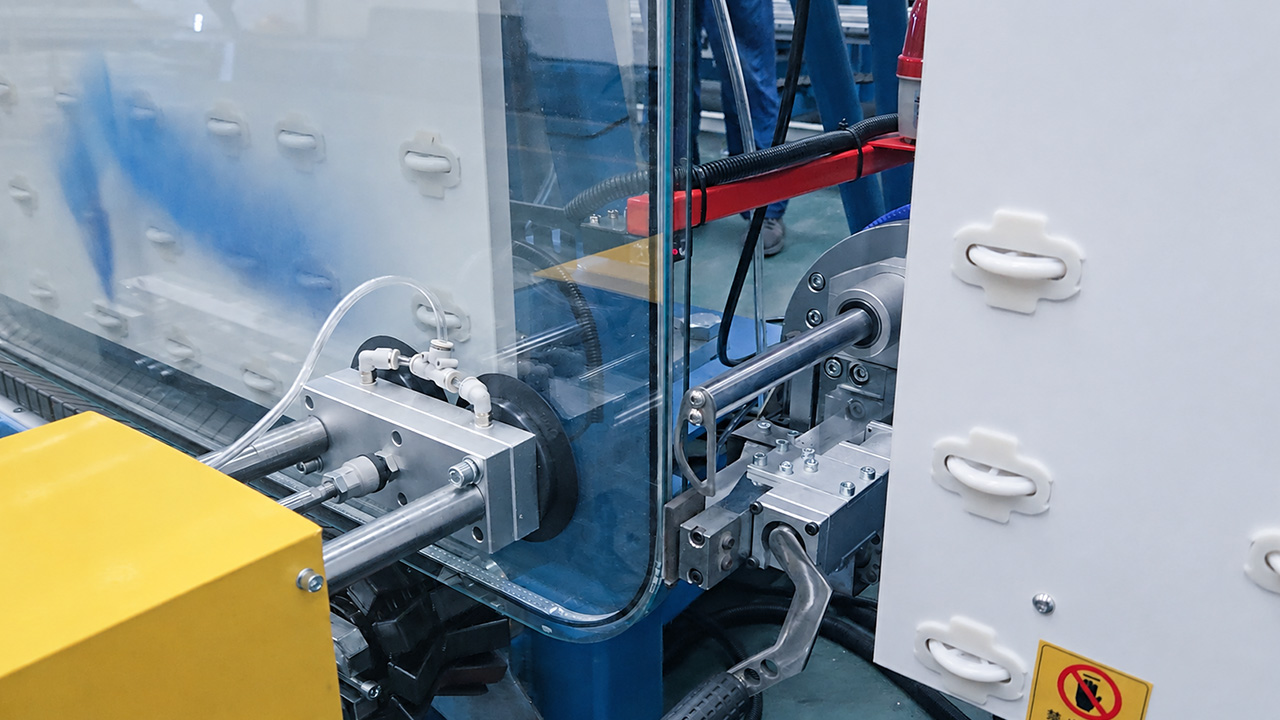
The JINJIYE automatic CNC IGU sealing robot describes two independent supply systems for compatible sealants. When requesting that configuration, name both products. Include the manufacturer, grade, component packaging and current technical data sheets.
“Silicone” is useful as a category. It isn’t enough information to finalise pumps, proportioning and mixing arrangements.
Follow Both Materials to the Application Point
A simple material-flow drawing is useful here. It lets the buyer and supplier discuss the same equipment without relying on phrases such as “double glue system.”
Start at the containers and trace each material through its supply equipment, hoses, mixing arrangement and dispensing outlet. Have the supplier identify any shared parts and explain what happens there during a change.
Separate supply systems don’t, by themselves, tell you how every component at the application end is arranged.
For any shared material-contact section, the proposal needs a defined transition procedure. Where the paths remain separate, the operator still needs to understand selection, servicing and the treatment of the system that is temporarily idle.
There’s no universal cleaning quantity or switching time to copy from another machine. Those details belong to the actual equipment and the sealants approved for it.
This is also the point to settle what comes in the price. The quoted robot, second supply system, dispensing equipment and commissioning work should be identifiable in the offer. A feature shown in a demonstration needs to appear in your configuration if you expect to receive it.
The Idle System Still Needs Attention
Imagine a factory running one approved sealant for most of the week and keeping another available for occasional orders. That second system may spend more time waiting than dispensing.
Its idle procedure matters.
With reactive two-component materials, mixed sealant has a limited usable period in the mixing equipment. Sika’s information for Sikasil IG-25, for example, distinguishes mixer open time from snap time and states that mixer open time is significantly shorter. A cure-test figure therefore shouldn’t be used as a general permission to leave material sitting in a mixer.
The limits and procedure must come from the selected sealant and equipment suppliers.
The second material might not be needed again until next week. Before the technician leaves, work through what happens to that system in the meantime. A lunch break, an overnight stop and several idle days may call for different treatment under the supplier’s instructions.
Let the operator practise the relevant procedure during handover. Keep a record with the machine so the next shift can tell what was done. If keeping the second supply ready involves regular attention, you’ll want to allow for that when planning the work.
Switching the Machine Doesn’t Approve the Glass Unit
The production order still needs the right sealant.
A robot’s ability to dispense two materials doesn’t establish that either one can be used on every IGU passing through it. Material suitability belongs to the approved unit construction and its application, including compatibility with the other components.
That decision needs to be settled before the operator selects a supply system.
Make the intended material clear on the job information. At the control screen, the operator should be able to tell which material will come out on the next run. Have them point out how they know. Where the purchased system takes that choice from the job data, load a representative order and follow the selection through with the supplier. If selection is manual, include the confirmation step in the working procedure.
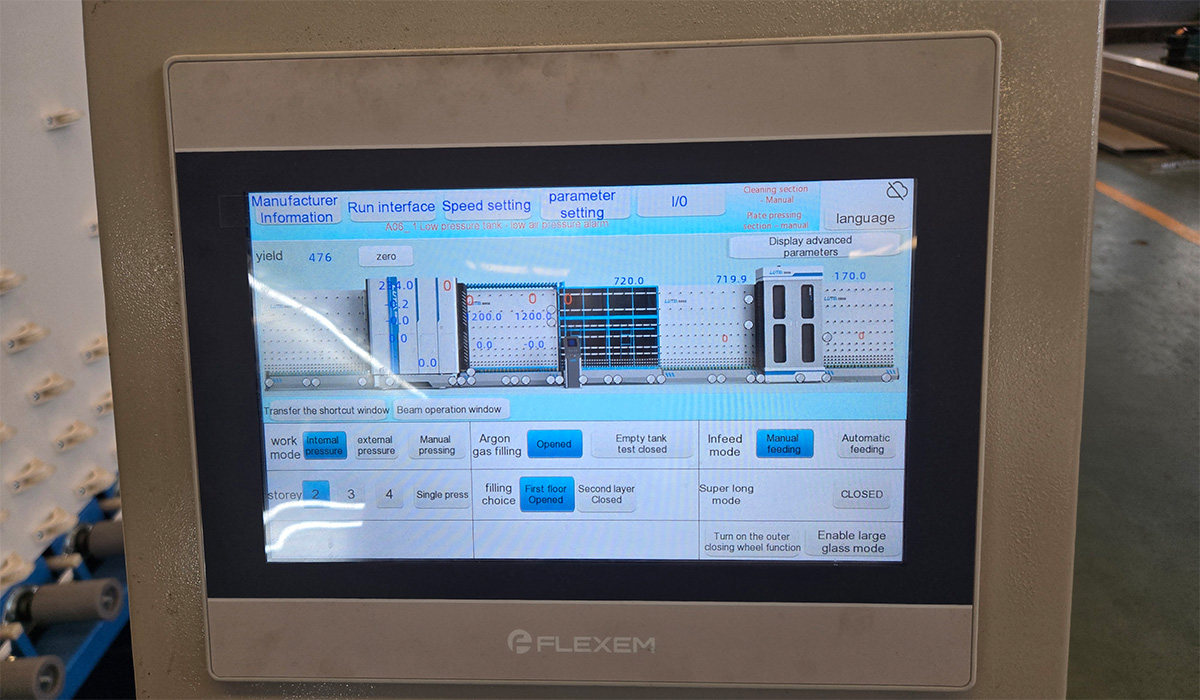
For factories comparing equipment routes, a two-component sealant extruder is another configuration to discuss. Its suitability also depends on the named material and application arrangement; the equipment category alone doesn’t answer those questions.
Price the Switching Work Against Your Orders
How often would the second material actually run?
A factory alternating between materials regularly has a different requirement from one processing an occasional specialist batch. Use a recent order list to explain the frequency, quantities and expected idle periods.
Then arrange a demonstration using the proposed materials where practical. Observe the approved transition procedure and the checks required before production resumes. Include operator time, any discarded material and servicing work in the comparison.
Keep the result specific to that trial. A switching time demonstrated with one setup isn’t a promise for every sealant combination.
When you contact JINJIYE, include the data sheets and container sizes for both sealants. Add a few lines about how you use them. Perhaps one runs every day and the other only comes out for a small Friday batch. That detail helps explain what you need from the second supply system, including how it will be looked after while it’s idle.