English
 Español
 Português
 Русский
 Deutsch
 Francés
 العربية
 한국어
 Türk
 日本語

Buying a Glass Washing Machine? Stay for the Cleanup
A washer can finish the day's glass and still leave someone with work to do. The tank needs attention. A filter has to come out. There are covers to remove, wet parts to handle and checks to make before the next batch goes through.
None of that appears in the conveyor speed on a quotation.
When comparing glass washing machines, it's reasonable to spend most of the visit looking at the washed glass. But the time between the last pane of one run and the first acceptable pane after cleaning matters too. That's time the factory has to make room for.
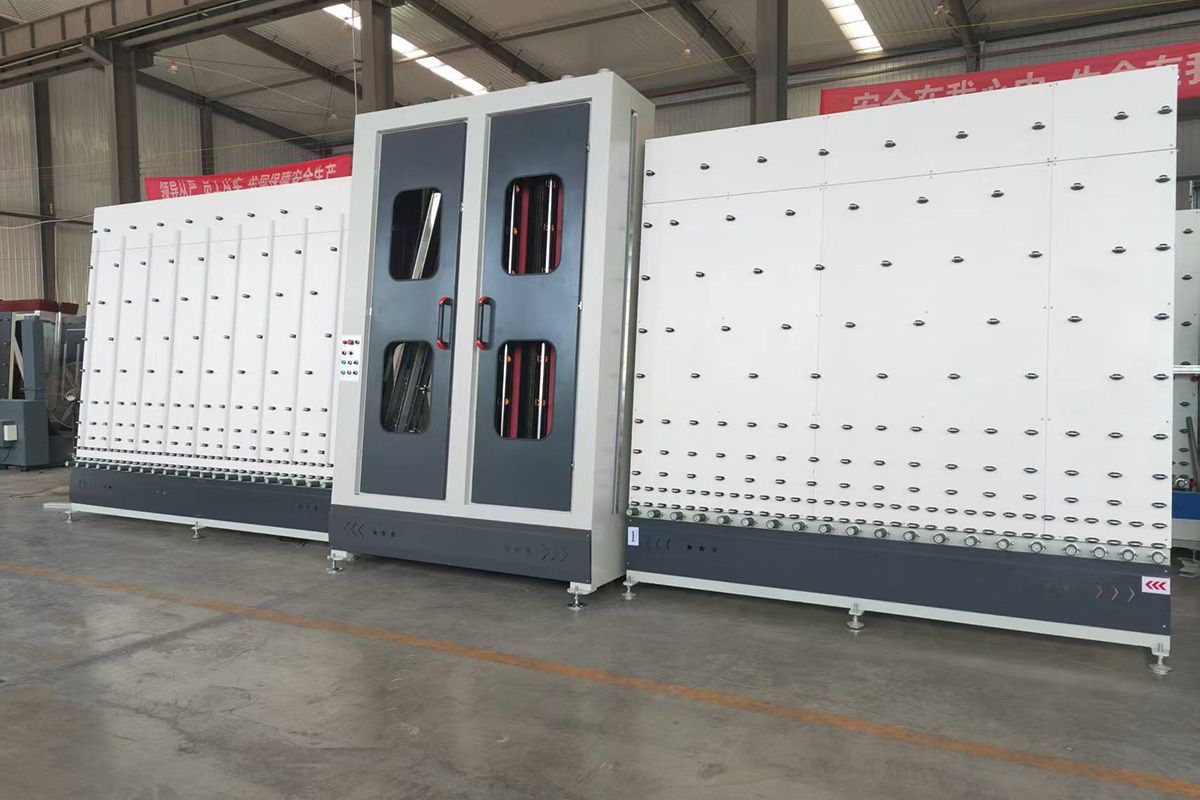
The tank is a useful place to start
Leave some time at the end of the visit for the water tank. Before anyone opens the tank, have the supplier show the shutdown and isolation steps your team will use.
The drain connection is part of the demonstration, too. So is taking out the filter and refitting it after cleaning. You'll see where the water goes and how much handling the filter involves.
Take a tank tucked under the washing section. You can see the bottom and still struggle to reach the far side with the approved cleaning tools. If the tank pulls out, compare its fully withdrawn position with the floor space you have available. On a fixed tank, have the supplier show how that corner is cleaned with the tank in place.
There is also the wet filter in the operator's hands. Where will it be cleaned? It needs a clean resting place while the tank is being finished. A suitable place nearby saves carrying it through an area where glass and people are moving.
These details are easier to judge while someone performs the task. “Easy to maintain” on a product page doesn't explain them.
Look at what comes off—and what needs setting again
JINJIYE's horizontal Low-E glass washing and drying machine uses removable protective covers. For a buyer, the next question is what those covers give access to on the proposed model.
The clearance for a brush change can extend well beyond the open cover. Get the removal direction and working space from the supplier, then follow the filter out past the surrounding pipework. Those movements need room on the installation drawing. A lifting aid or special tool used for the job also belongs in your maintenance plan.
At your factory, who would take over if a brush had to come out? That might be a maintenance technician rather than the loading operator. A brush change may be a job they can handle after training, or it may require supplier support. Find out during the visit, while someone is there to explain the setup.
The demonstration should carry on through refitting. Where removal affects an adjustment, ask to see the setting restored and checked. The technician doing this months later will need those adjustment details in the manual, including how to check the result. A clean machine waiting for adjustment is still unavailable for production.
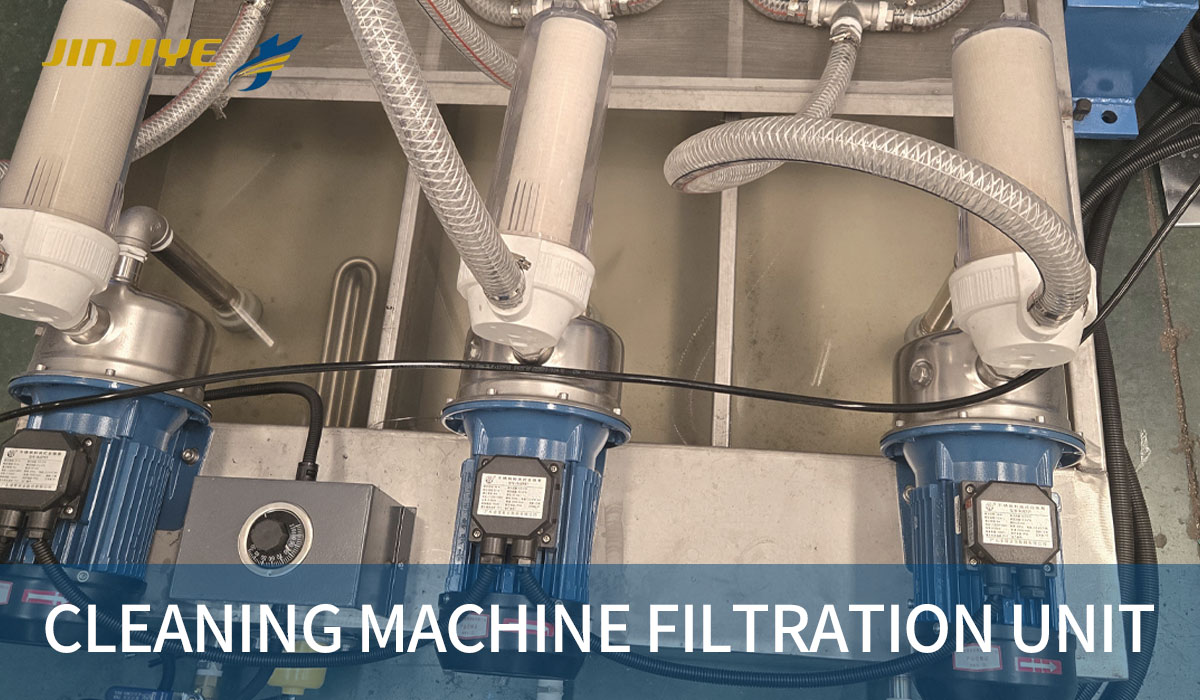
The space beside the washer has a job to do
Look at where the person doing the demonstration stands and puts the removed parts. Now compare that area with your factory drawing. A column, a waiting rack or a busy walkway may occupy it.
Consider a tank that pulls out towards an aisle. It may be perfectly accessible on its own, yet difficult to clean once the aisle is filled with the next day's glass. Moving those racks becomes part of every cleaning stop.
That is why the insulating glass production line layout needs to show more than the machine's outside dimensions. Keep the opening and removal spaces on the drawing, using the supplier's dimensions for the configuration being purchased. Include somewhere for the person doing the work to stand and handle the parts.
Pipework and drainage belong on that drawing too. Their positions need to suit the cleaning arrangement without obstructing a cover or removal route. It is much easier to settle this before installation than after the connections are finished.
A photograph of the actual installation area can help here. Leave the nearby wall, column and racks in the picture. They are part of the decision.
Cleaning time ends when production can resume
A demonstration with a clean tank can show access and handling. It cannot tell you exactly how long cleaning will take after your own production run. The condition of incoming glass and the work going through the washer will affect that, alongside the maintenance requirements of the machine.
Write down where the demonstration starts. An empty tank means the draining happened before you began watching. Include reassembly, refilling where required and the prescribed restart checks. A timing that stops when the filter goes back in leaves part of the interruption uncounted.
After restart, the first trial panes still need inspection. This matters especially when the work has disturbed a brush, spray component or drying adjustment. Allow time to check the glass against the agreed acceptance requirements and correct anything that hasn't been restored properly.
Use those observations to plan the maintenance allowance. A note such as “clean filter removed and refitted; tank already drained” makes the timing easier to interpret later. It shows your team which work still needs allowing for after a full production run.
Your maintenance technician may already have the tools for some jobs and need supplier support for others. Review that with them while you have the manual and parts list open. The quotation can then name the spares and tools to be supplied with the machine. A tool used during the demonstration may belong to the service engineer; it won't necessarily arrive with your machine.
If you're asking JINJIYE to quote, send a photo or sketch of the machine location along with the glass sizes, thicknesses and coating types. Include the space available around it. Mark any wall, column or rack that will stay there; the supplier can then review access against the arrangement you actually plan to install.