English
 Español
 Português
 Русский
 Deutsch
 Francés
 العربية
 한국어
한국어
 Türk
Türk
 日本語
日本語

How a Fully Automatic Butyl Extruder Improves IGU Production
How a Fully Automatic Butyl Extruder Improves IGU Production
The primary seal is a critical part of insulating glass unit production. Although the butyl coating process takes place early in the production line, its quality directly influences moisture resistance, gas retention, sealing reliability and the service life of the finished IGU.
As production volumes increase, manual and conventional semi-automatic coating methods may struggle to maintain consistent results. A fully automatic butyl extruder helps insulating glass manufacturers improve coating accuracy, reduce operator dependence and create a more stable production process.
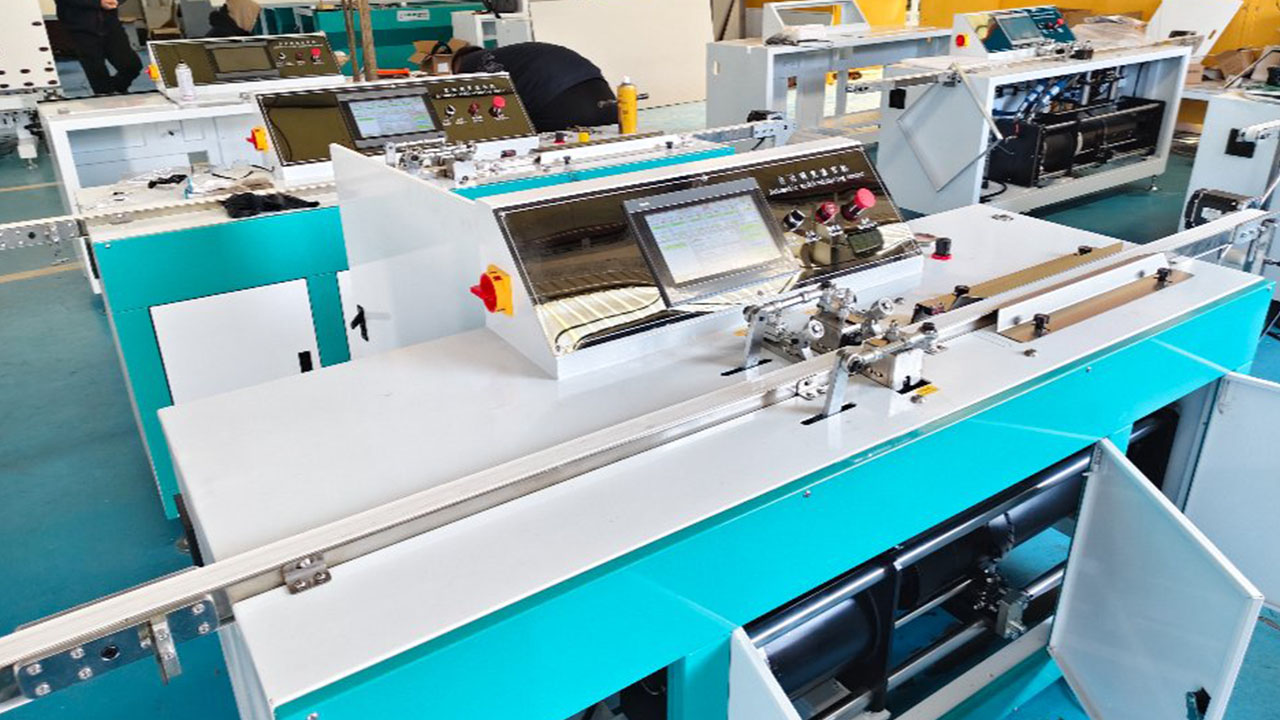
What Is a Fully Automatic Butyl Extruder?
A fully automatic butyl extruder is designed to apply hot-melt butyl sealant evenly to both sides of an aluminum spacer bar.
During operation, the spacer enters the machine and passes through the coating section. The equipment heats the butyl sealant and controls the coating process so that a continuous sealant layer is applied along the spacer.
Depending on the machine configuration, operating parameters such as temperature, coating speed, pressure and coating width can be adjusted to suit different spacer specifications and production requirements.
The coated spacer can then be used for frame assembly and the subsequent production of double or triple insulating glass units.
Improving Production Efficiency
In conventional production, operators may need to adjust the spacer position, coating pressure or sealant temperature frequently. These adjustments can interrupt production and make output dependent on the operator’s experience.
A fully automatic butyl extruder provides a more continuous workflow. After the operating parameters are set, spacer bars can be processed with fewer manual adjustments.
The main production benefits include:
Faster and more continuous spacer processing
Reduced dependence on experienced manual operators
Shorter preparation time between production batches
More consistent performance during long working shifts
Easier integration with other insulating glass equipment
For factories increasing their daily IGU output, these improvements can help reduce bottlenecks in the spacer preparation process.
Consistent Butyl Coating Quality
An effective primary seal requires an even and continuous layer of butyl sealant. If the coating is too thin, discontinuous or uneven, the insulating glass unit may have insufficient protection against moisture penetration.
If too much sealant is applied, it can increase material consumption and create untidy sealing edges.
A fully automatic butyl extruder helps control the coating on both sides of the spacer. Stable temperature and pressure allow the butyl to maintain suitable flow characteristics during operation.
Consistent coating helps manufacturers achieve:
Uniform butyl thickness
Continuous sealing along the spacer
Cleaner spacer edges
Better adhesion between the spacer and glass
More reliable primary sealing performance
The machine should still be inspected and adjusted according to the sealant type, spacer material and production conditions.
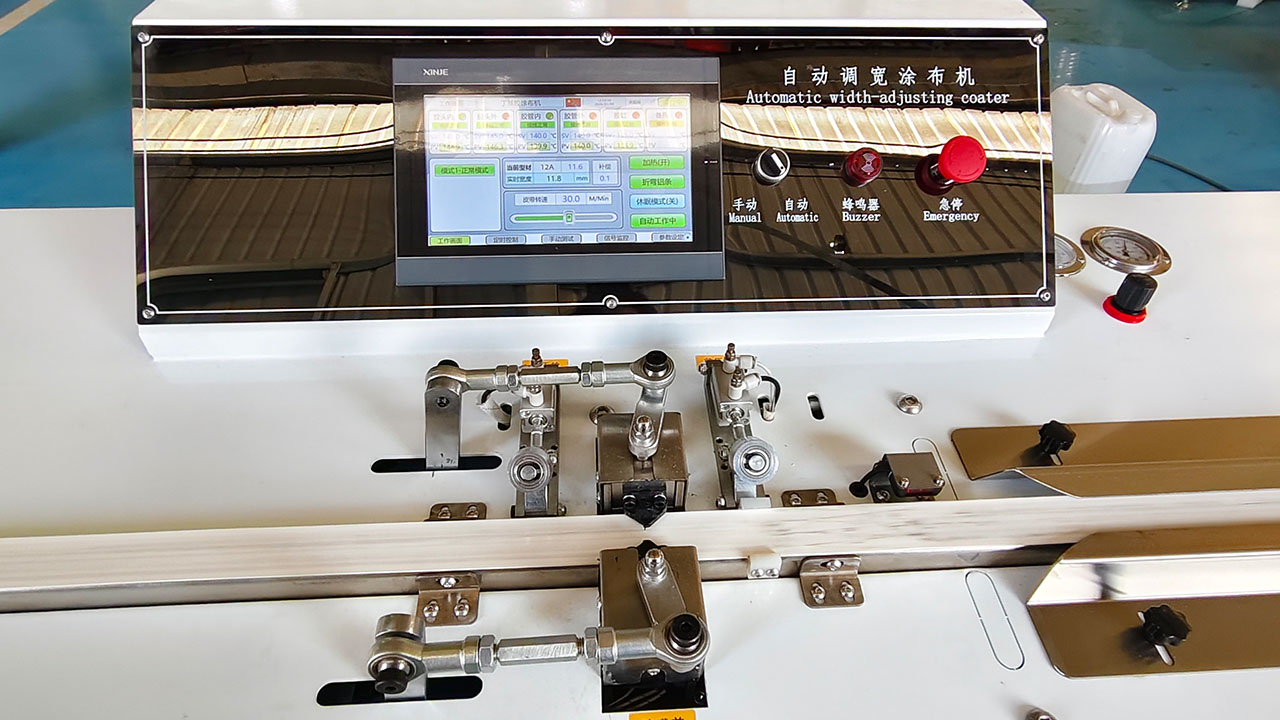
Reducing Sealant Waste
Butyl sealant is an important production material, and unnecessary consumption increases the manufacturing cost of every insulating glass unit.
Manual adjustment may lead to excessive coating, uneven application or rejected spacer frames. An automatic system makes the coating process more repeatable and helps apply the required amount of sealant more accurately.
Reduced sealant waste can also make production costs easier to calculate. However, the actual material savings will depend on the original production method, operator experience, spacer size and equipment settings.
Reducing Operator Dependence
Semi-automatic equipment usually requires more manual handling and adjustment. The final coating quality may vary between operators or working shifts.
A fully automatic butyl extruder simplifies routine operation through centralized controls and adjustable processing parameters. Operators still need training, but the machine can reduce the number of manual decisions required during normal production.
This is especially helpful for factories experiencing rising labor costs, difficulty recruiting experienced operators or frequent changes in production personnel.
Integration with an IGU Production Line
The butyl extruder is normally installed in the spacer preparation area of an insulating glass factory. It can work together with:
Automatic aluminum spacer bending machines
Desiccant filling machines
Spacer frame assembly equipment
Glass washing machines
Insulating glass assembly and pressing lines
Automatic secondary sealing robots
Before purchasing a machine, the factory should check the available workshop space, spacer flow direction, electrical requirements and compatibility with existing production equipment.
A suitable layout can reduce unnecessary material movement and create a smoother workflow from spacer preparation to final IGU sealing.
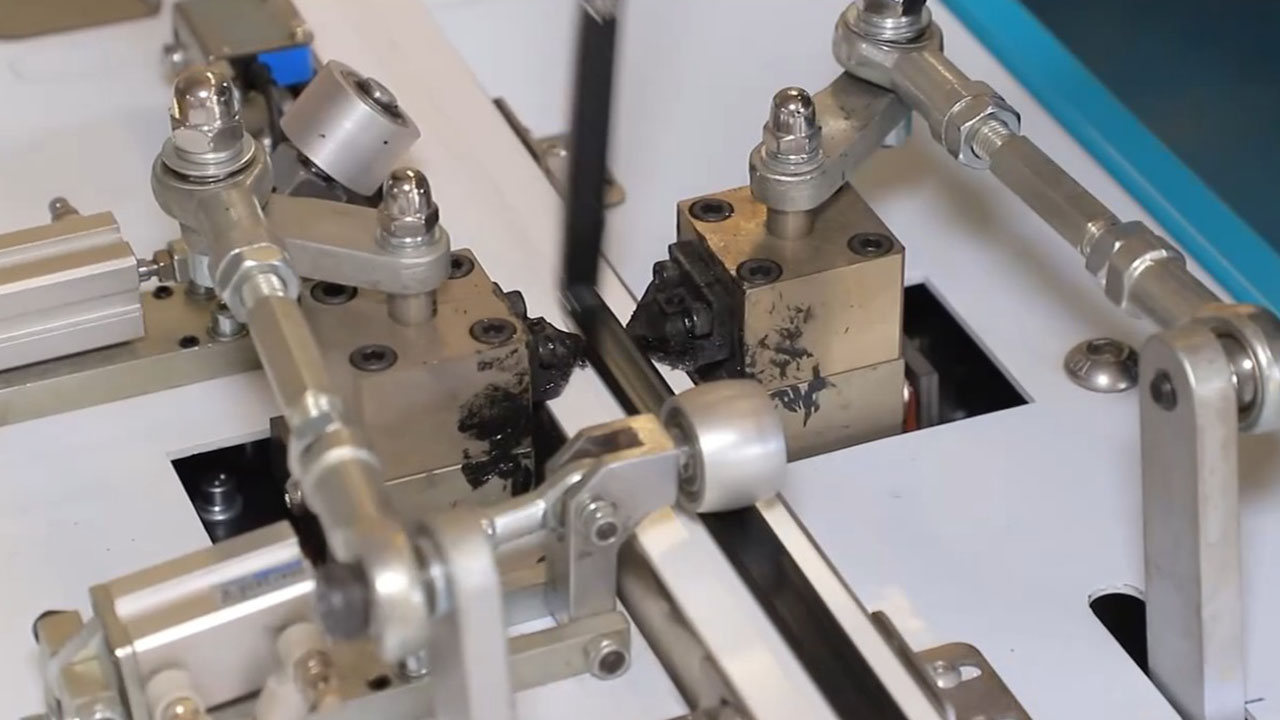
Fully Automatic vs. Semi-Automatic Butyl Extruder
A semi-automatic butyl coating machine may be suitable for small factories, repair workshops or companies with lower daily output. It usually has a lower initial investment and gives the operator more direct control.
A fully automatic model is more suitable when the manufacturer requires:
Higher daily production capacity
Stable coating quality across multiple shifts
Less manual adjustment
Better process repeatability
Future expansion of the IGU production line
The right choice depends on production volume, spacer specifications, available labor and investment budget. Selecting the most expensive machine is not always necessary; the equipment should match the factory’s actual production requirements.
What to Check Before Purchasing
Before selecting a fully automatic butyl extruder, buyers should confirm the following information with the equipment supplier:
Supported aluminum spacer width and thickness
Adjustable coating width range
Heating temperature and pressure controls
Compatible butyl sealant specifications
Processing speed and expected production capacity
Power supply and compressed-air requirements
Machine dimensions and installation space
Availability of spare parts and technical support
Operator training and commissioning services
Compatibility with warm-edge or special spacer materials
Providing sample spacers and production requirements before ordering can help the supplier recommend the correct machine configuration.
Daily Operation and Maintenance
Stable machine performance also depends on correct operation and regular maintenance.
Operators should check the heating system, coating nozzles, pressure system and spacer conveying components before production. Butyl residue should be cleaned according to the manufacturer’s instructions, and worn components should be replaced promptly.
Production parameters should be recorded when changing spacer sizes or sealant materials. This makes it easier to reproduce suitable settings and maintain consistent coating quality.
Frequently Asked Questions
Can one machine process different spacer widths?
Many automatic butyl extruders support multiple aluminum spacer widths, but the available range depends on the machine configuration. Buyers should confirm all required spacer specifications before ordering.
Can the coating width and temperature be adjusted?
Automatic machines generally provide adjustable coating and heating parameters. The settings should be selected according to the spacer size, butyl sealant and required coating result.
Is a fully automatic machine suitable for a small factory?
It may be suitable if the factory expects production growth or requires more stable coating quality. For very low output, a semi-automatic machine may provide a more economical solution.
Can it be connected to an existing IGU production line?
The machine can normally be installed as an independent unit within the spacer preparation section. Workshop layout, processing direction and equipment compatibility should be checked before installation.
Conclusion
A fully automatic butyl extruder can improve the efficiency and consistency of primary sealing in insulating glass production. Its main value is not simply higher processing speed, but better control of coating quality, material consumption and daily production stability.
When selecting equipment, manufacturers should compare actual spacer specifications, production capacity, control functions and after-sales support. A machine configured for the factory’s real production needs can become an important part of a reliable and efficient IGU production line.