English
 Español
 Português
 Русский
 Deutsch
 Francés
 العربية
 한국어
한국어
 Türk
Türk
 日本語
日本語

Can One Spacer Bender Handle Aluminum and Warm Edge?
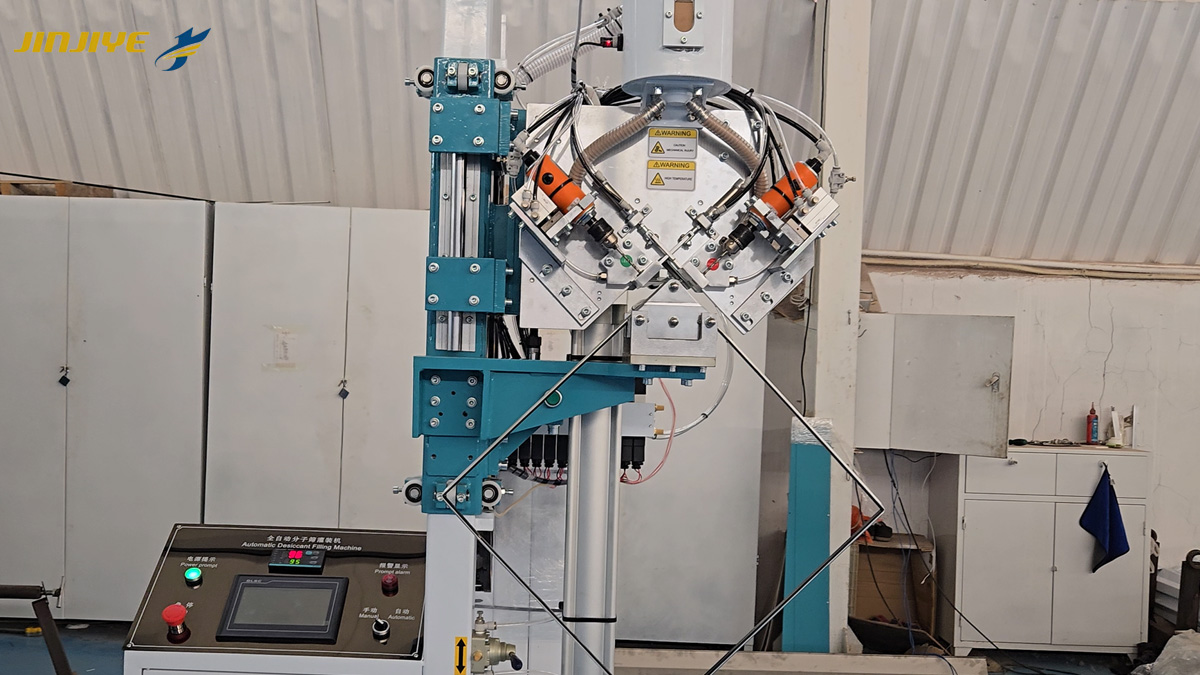
Can One Automatic Spacer Bending Machine Handle Both Aluminum and Warm-Edge Spacers?
Sometimes—but not with the standard configuration in every case.
Most automatic spacer bending machines are designed around specific profile materials, widths and bending behaviour. A machine that runs conventional aluminum spacer smoothly may need different tooling, software parameters or a heating unit before it can process a rigid warm-edge profile.
The safest approach is simple: send the machine supplier the exact spacer brand, material and dimensions before requesting a quotation. “Warm-edge compatible” is too general to use as a purchasing specification.
Start with the Spacer, Not the Machine Brochure
“Aluminum spacer” normally refers to a metallic profile that can be bent cold with suitable tooling. Warm-edge products are a much broader group. They may use stainless steel, plastic, composite materials or hybrid constructions.
Those materials do not all react to bending in the same way. A setting that produces a clean 90-degree corner in aluminum may cause whitening, cracking, distortion or springback in another profile.
Before discussing machine speed, give the supplier:
Spacer manufacturer and product name
Profile material
Width and height
Wall thickness, if available
Required frame sizes
Rectangular and special-shape requirements
Expected number of frames per shift
If the factory changes spacer brands regularly, include every profile that is likely to be used. Compatibility should be checked profile by profile.
JINJIYE’s current CNC automatic aluminium spacer bar bending machine is presented primarily for common and high-frequency-welded aluminum bars. Buyers requiring warm-edge processing should confirm the necessary configuration separately.
Heating Can Be the Deciding Factor
Some rigid warm-edge spacers cannot be bent correctly at room temperature.
The Swisspacer processing guide updated on August 6, 2026, states that automatic bending systems used for its spacer bars must have a heating option because those profiles are bent hot. This is a requirement for the products covered by that guide, not a universal rule for every warm-edge spacer.
That distinction matters. A salesperson saying that a machine “can bend warm edge” does not confirm:
Whether heating is included
How temperature is controlled
Which profiles have already been tested
How long a changeover takes
Whether different tooling is required
Who provides the final processing parameters
Ask to see a continuous test with your actual spacer. One successful corner is not enough. The supplier should produce several complete frames so that you can inspect repeatability, surface condition and final dimensions.
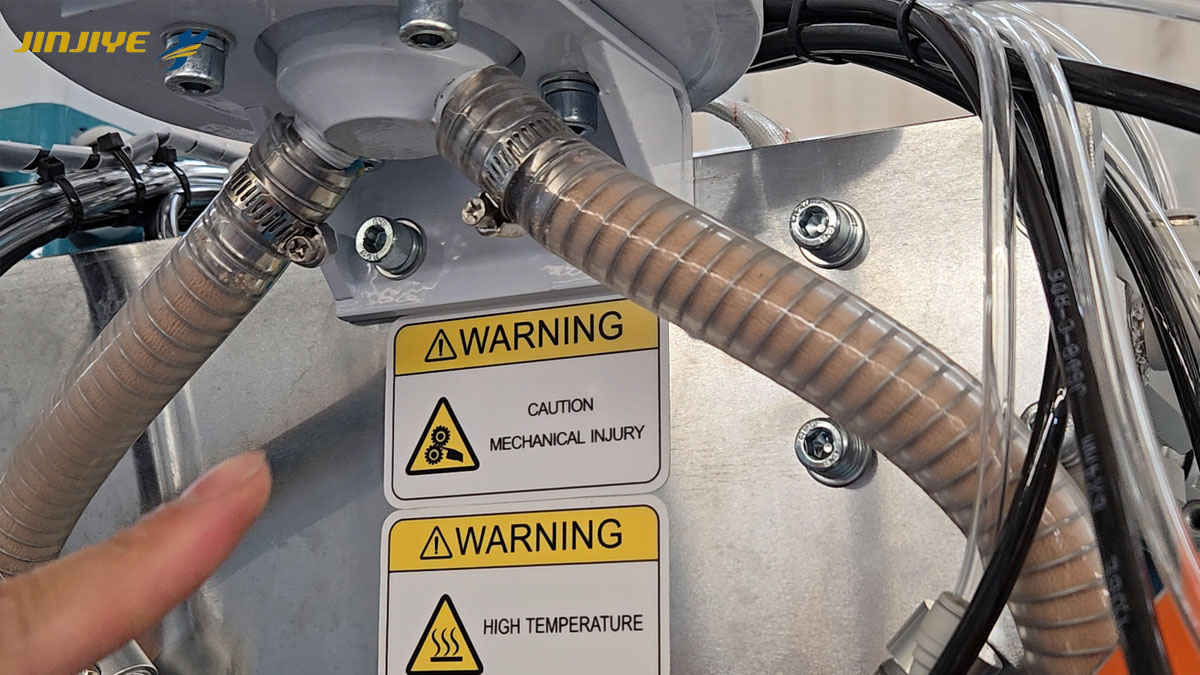
Automatic or Semi-Automatic: Which One Fits the Factory?
The answer depends more on product mix than factory size.
| Production situation | More suitable starting point |
| Repeated standard sizes and lower daily volume | Semi-automatic machine |
| Many custom window sizes | Fully automatic CNC bender |
| Frequent order changes | Automatic data input and saved recipes |
| Several spacer widths used every day | Multi-size storage or faster tooling change |
| Warm-edge and aluminum production | Verified multi-profile configuration |
| Frequent special shapes | Machine tested with the required geometry |
A fully automatic machine can reduce manual measuring and frame-to-frame variation, but it will not solve incorrect order data. If the operator enters the wrong dimensions, the machine can produce the wrong frame very efficiently.
Ask how jobs enter the control system. Manual input may be adequate for a smaller factory. Barcode, spreadsheet or ERP integration becomes more useful when every shift contains many different sizes.
Check More Than Maximum and Minimum Frame Size
Machine quotations often highlight the largest frame the equipment can produce. The smallest reliable frame can be just as important, especially for narrow windows, door lights and divided glazing.
Review the following limits against real orders from the last three to six months:
Minimum and maximum frame dimensions
Supported spacer widths
Minimum side length before a bend
Standard and optional shapes
Connector or weld-seam avoidance
Gas-filling hole preparation
Printing or label options
Number of spacer sizes stored on the machine
Do not evaluate speed using only a medium-sized rectangular demonstration frame. Ask the supplier to test a small frame, a typical frame and the largest frame you produce regularly.
How Should Spacer Frame Accuracy Be Checked?
A finished frame should be evaluated before desiccant filling and butyl application.
Measure its overall width and height, then compare both diagonals. Look closely at the corners for cracking, excessive deformation or inconsistent bending radius. The joining point should close correctly without forcing the frame out of square.
Run several frames with the same program. The first frame may look acceptable after manual adjustment; repeatability shows whether the machine is ready for production.
Also consider what happens after bending. Frames must move through the desiccant filling and butyl coating stages without being distorted or mixed with another order.
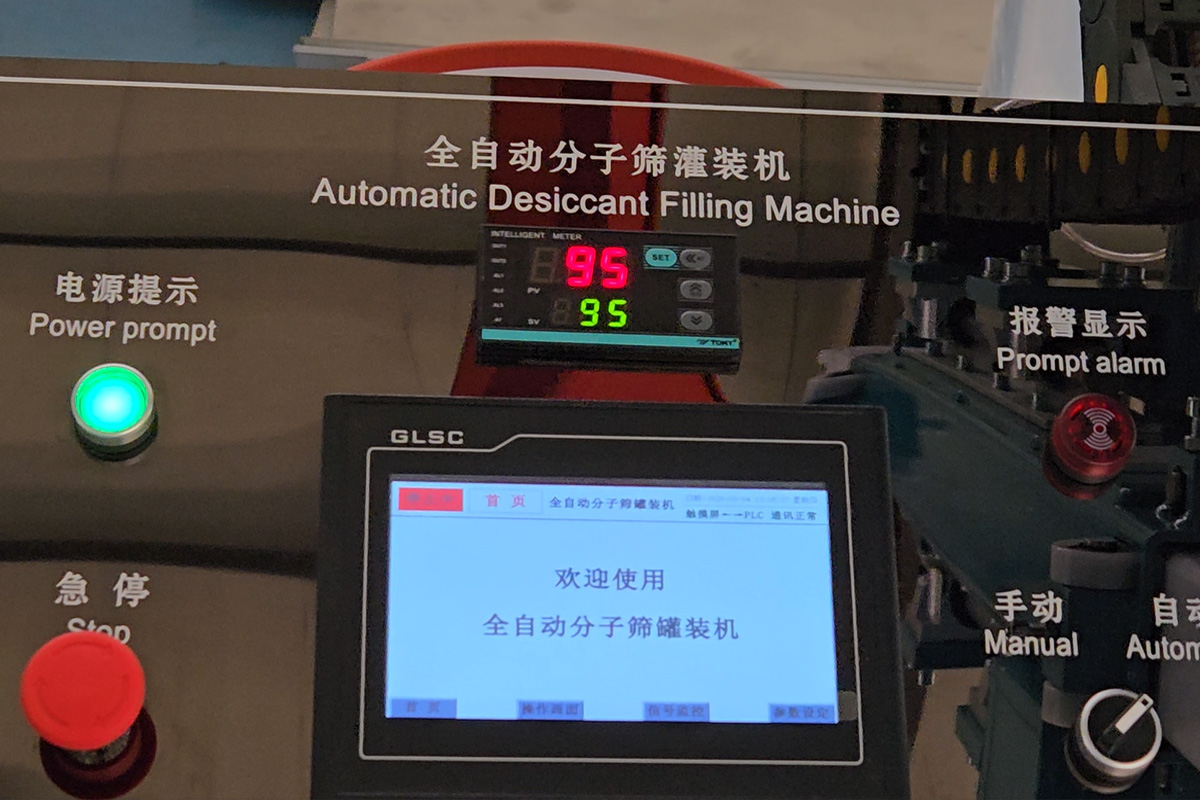
Match the Bender to the Rest of Spacer Production
A fast bender can still spend much of the day waiting if the desiccant filler or butyl extruder cannot keep up.
List the actual cycle time and changeover time at each spacer-processing station. Frames should be produced in the same order as the washed glass so operators do not waste time searching for the correct size.
The broader IGU equipment and production line guide explains how bending, desiccant filling and butyl coating work as one production cell. When comparing quotations, ask for output based on your normal order mix rather than the machine’s fastest demonstration cycle.
Questions to Send the Supplier Before Requesting a Quote
A useful enquiry can be short:
Which aluminum and warm-edge profiles have been tested?
Is heating included or optional?
Which tools must be changed between profiles?
What are the smallest and largest reliable frame sizes?
Can the machine produce our required special shapes?
How are production files entered?
Which checks are completed before shipment?
What training, spare parts and remote support are included?
Attach photographs of the spacer labels and several typical frame drawings. This gives the supplier enough information to recommend a real configuration instead of sending a generic quotation.
Frequently Asked Questions
Does every warm-edge spacer need heating before bending?
No. The requirement depends on the material and profile design. However, some rigid warm-edge products specifically require hot bending. Follow the spacer manufacturer’s current processing instructions.
Can aluminum and warm-edge spacers use the same bending tool?
Do not assume they can. Tool geometry, pressure and temperature may need to change. Ask the machine supplier to confirm compatibility with the exact profiles.
Is a fully automatic machine always better?
Not always. Semi-automatic equipment can be practical for lower-volume production with repeated sizes. Full automation becomes more valuable when the factory handles many custom dimensions or frequent changeovers.
How can a buyer verify bending accuracy before shipment?
Provide sample profiles and frame drawings, request a recorded factory test and ask the supplier to measure several repeated frames—not only one demonstration piece.
Choose the Machine Around the Profiles You Will Actually Use
An automatic spacer bending machine should not be selected only by price, maximum size or advertised speed. Start with the spacer material, then verify heating, tooling, frame range, data input and downstream capacity.
If your factory plans to process both aluminum and warm-edge spacers, send JINJIYE the profile brand, dimensions, sample material and typical frame drawings. The technical team can then confirm whether a standard aluminum configuration is sufficient or whether a special warm-edge solution is required.