English
 Español
 Português
 Русский
 Deutsch
 Francés
 العربية
 한국어
한국어
 Türk
Türk
 日本語
日本語

What Changes When Producing Triple Glazing?
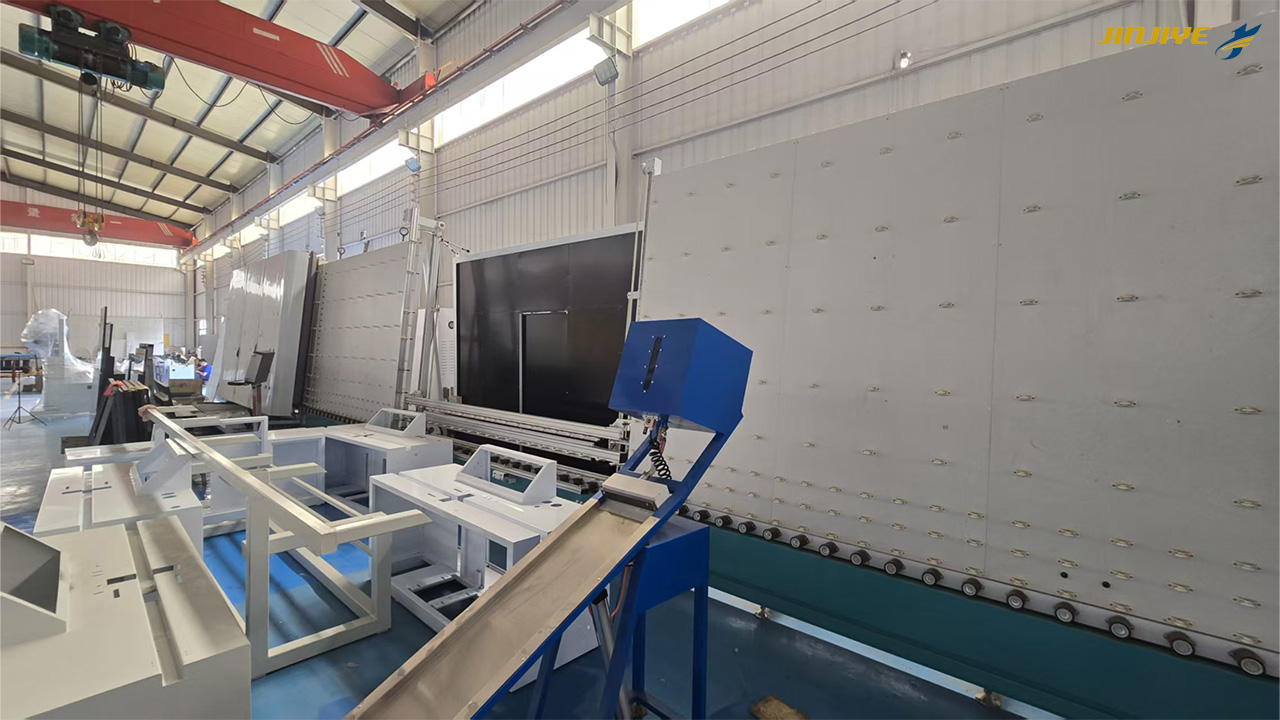
Producing triple glazing is not simply the same as making double glazing with one extra pane of glass.
A conventional triple-glazed IGU uses three glass panes and two spacer frames to create two sealed cavities. This changes spacer preparation, assembly, pressing, gas filling, secondary sealing and material handling.
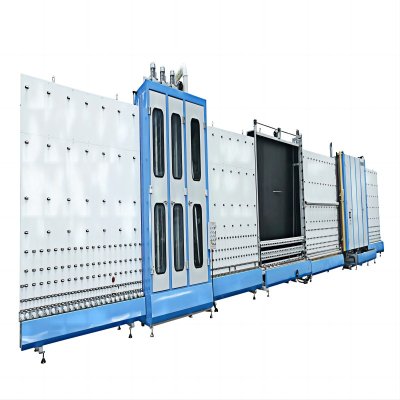
For factories selecting or upgrading triple glazing production equipment, these differences should be considered as part of the complete production process.
1. Spacer Preparation Becomes More Demanding
A double-glazed IGU normally requires one spacer frame, while triple glazing requires two.
This increases the amount of spacer preparation needed for every finished unit. If an automatic aluminum spacer bending machine, desiccant filling equipment or butyl application process cannot keep pace, production may slow before the glass reaches the assembly section.
The challenge becomes greater when a factory processes many different glass sizes in the same shift.
Accurate spacer dimensions and correct production sequencing are therefore especially important for mixed-size triple-glazing orders.
2. Assembly Requires Better Positioning
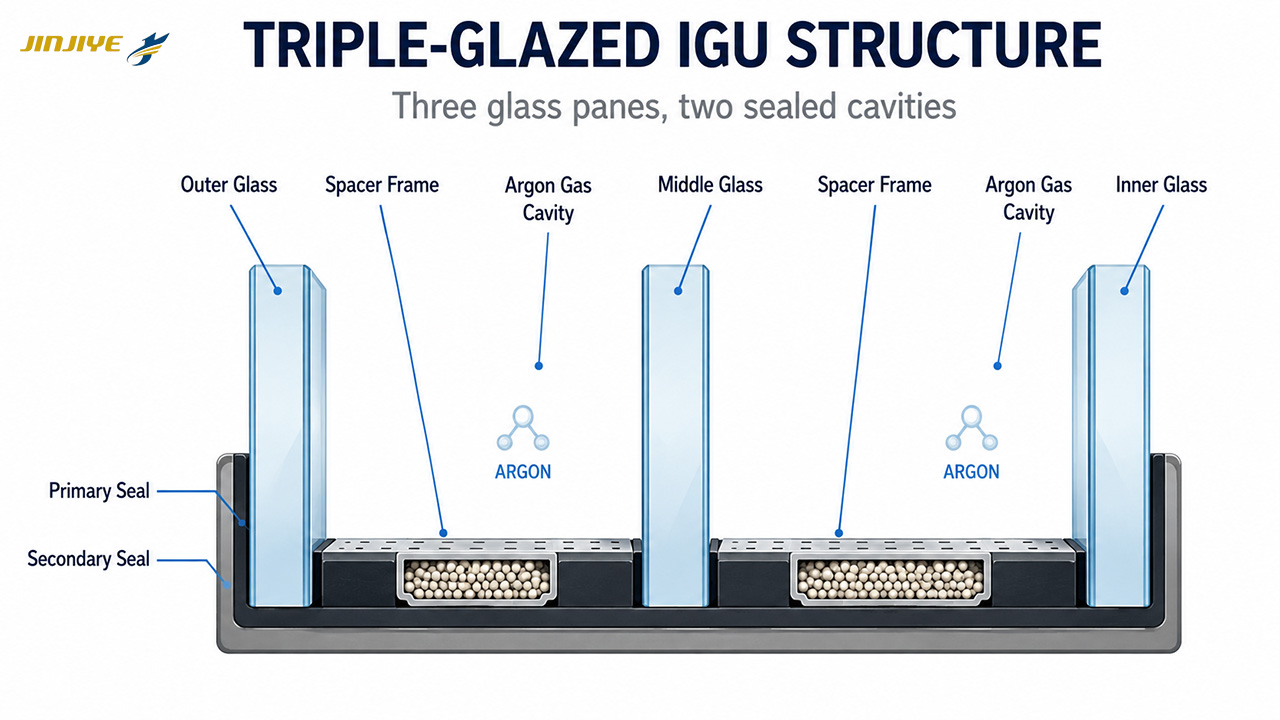
Triple glazing adds another glass pane and another spacer frame to the assembly process.
Both spacer frames must be positioned accurately so that the two cavities remain consistent and the glass edges stay aligned.
Poor positioning can lead to uneven cavity widths, misaligned edges, difficult secondary sealing and unnecessary rework.
As order variety increases, stable positioning becomes more important than simply increasing conveying speed.
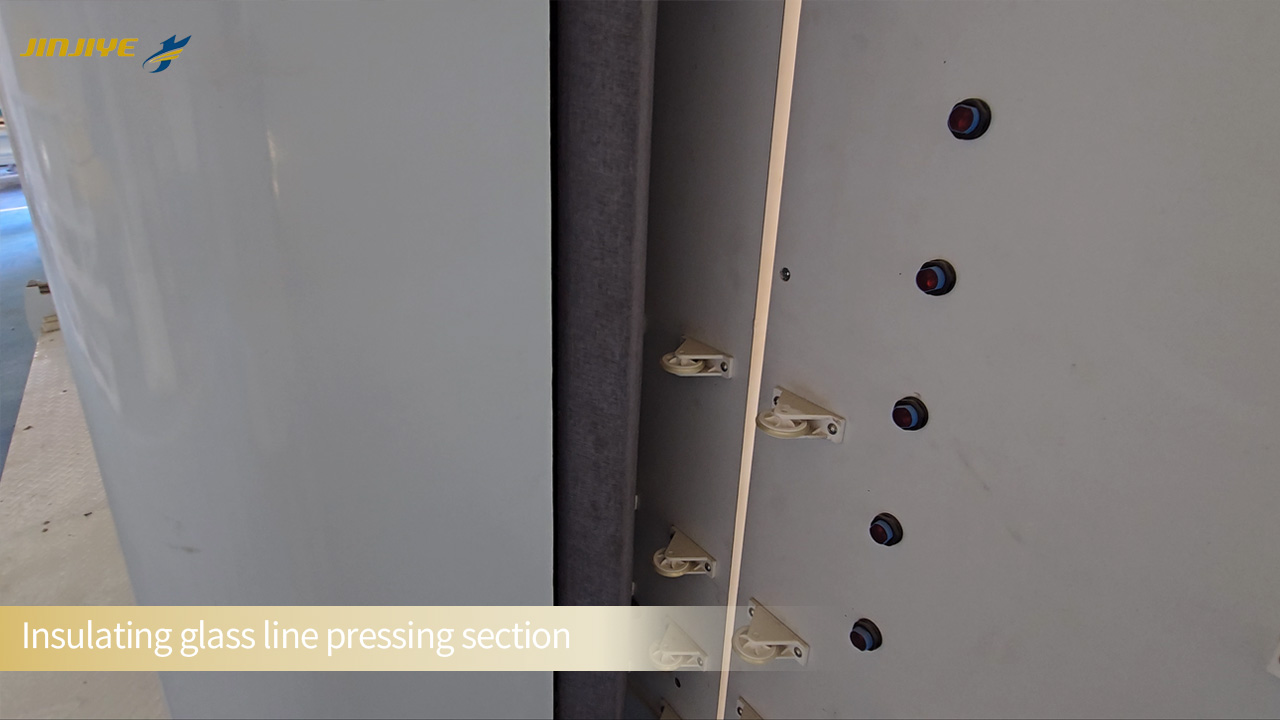
3. Pressing Must Match the Actual IGU Structure
Conventional triple-glazed IGUs are generally thicker and heavier than comparable double-glazed units.
During pressing, the equipment must maintain alignment while handling the additional glass pane, spacer and overall IGU thickness.
Factories should therefore evaluate more than the maximum production speed of the line.
Important factors include maximum glass size, glass thickness, total IGU thickness, spacer specifications and the required daily output.
The production line should be selected according to the actual products being manufactured.
4. Gas Filling Requires More Production Planning
Triple glazing contains two cavities instead of one.
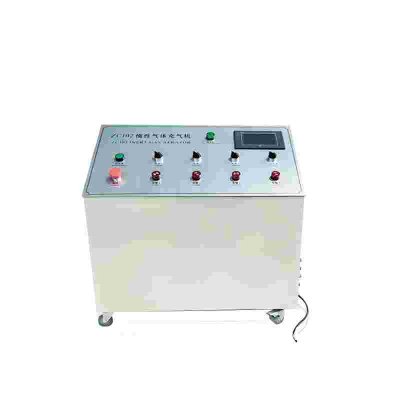
When argon or another insulating gas is required, the gas-filling process must be suitable for the complete triple-glazed structure.An argon gas filling machine or integrated gas-filling system should be selected according to the cavity structure, glass size and production target.
This can affect cycle time, especially when triple glazing represents a significant percentage of daily production.
Factories should evaluate gas filling together with the complete IGU production line, rather than treating it as an independent workstation.
The glass dimensions, cavity widths, product mix and target output all influence the required configuration.
5. Secondary Sealing Requires Better Material Control
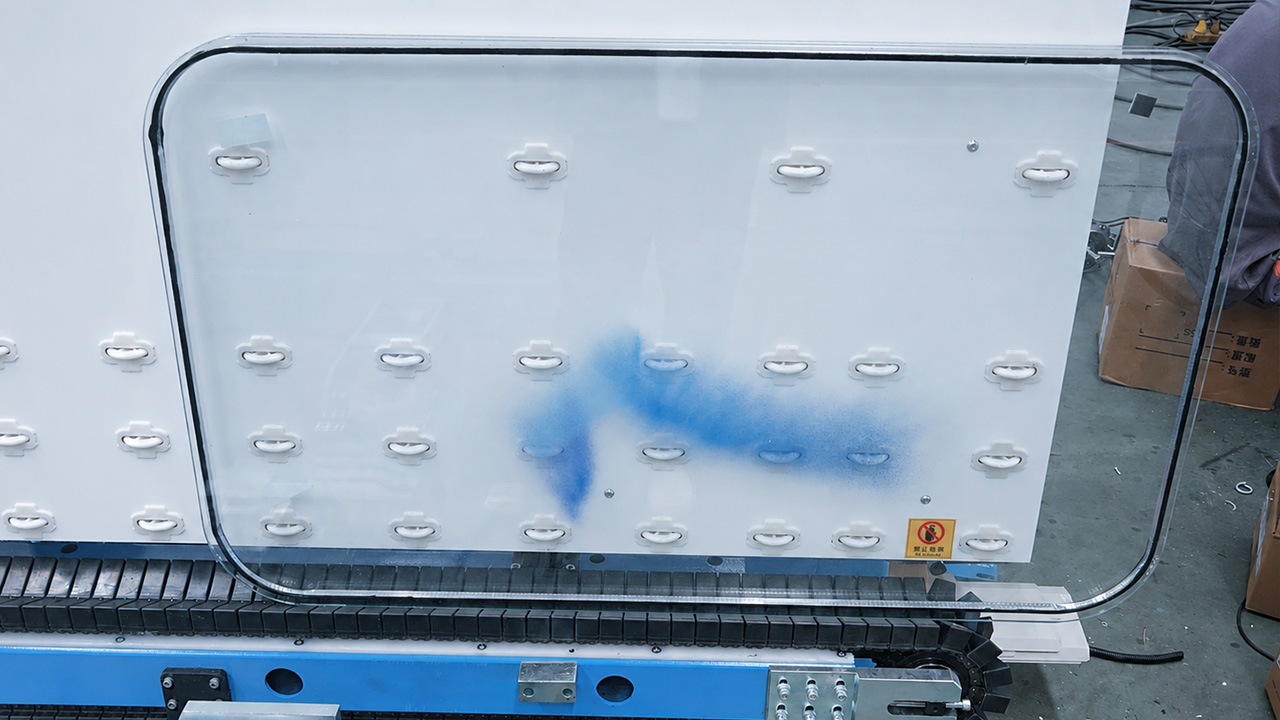
Triple-glazed IGUs are generally thicker than comparable double-glazed units.
Depending on spacer width, edge-seal design and total IGU thickness, the amount of secondary sealant required for each unit may also increase.
This places more demand on sealant supply, mixing stability and extrusion control.
If the existing sealing process is already operating close to its capacity with double glazing, increasing triple-glazing production may create a bottleneck after assembly.
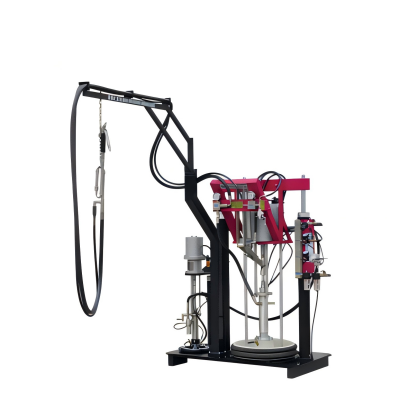
For higher output, an insulating glass sealing robot can help improve secondary sealing consistency and reduce the risk of sealing becoming a production bottleneck.
6. Glass Handling Becomes More Important
The additional pane increases the weight of a conventional triple-glazed IGU.
This is especially important when processing large architectural glass.
As units become heavier, manual loading, turning and unloading can become slower and more difficult. Production capacity may then be limited by glass handling rather than by the assembly equipment itself.
For this reason, loading equipment, conveyors, transfer systems and unloading solutions should be considered when planning higher-volume triple-glazing production.
7. Factory Capacity Should Be Recalculated
A production line that produces a certain number of double-glazed units will not necessarily achieve the same output when producing triple glazing.
Triple glazing requires additional spacer frames, glass handling, assembly work, gas filling and sealing.
Capacity should therefore be calculated according to the actual product mix rather than only the maximum speed of an individual machine.
A realistic evaluation should consider the percentage of triple glazing, typical glass sizes, order variety, daily production target and available operators.
This gives a much more useful estimate of real factory output.
When Should a Factory Consider an Upgrade?
An upgrade may be worth evaluating when triple-glazing orders are increasing and the existing process begins to show repeated bottlenecks.
Common signs include:
Spacer preparation cannot keep up with assembly
Manual positioning requires frequent adjustment
Gas filling slows the production cycle
Finished IGUs queue before secondary sealing
Large units are difficult to handle safely
Daily output falls significantly when triple-glazing orders increase
The most effective upgrade is usually the one that removes the actual production bottleneck instead of simply replacing the fastest machine.
JINJIYE Triple Glazing Production Solutions
JINJIYE provides insulating glass production equipment for different double- and triple-glazing requirements.
Before recommending a suitable production configuration, useful information includes maximum and minimum glass size, glass thickness, total IGU thickness, spacer specifications, double- and triple-glazing ratio, required daily output, factory layout and existing equipment.
With this information, the complete production process can be evaluated rather than selecting each machine separately.
Planning to Increase Triple Glazing Output?
If your factory is preparing to increase triple-glazed IGU production, send JINJIYE your glass specifications, production target and workshop layout.
We can help evaluate which production stages need to be configured or upgraded.
GET A TRIPLE GLAZING SOLUTION
FAQ
Can a normal IGU production line produce triple glazing?
It depends on the line configuration, glass dimensions, total IGU thickness and production process. The existing equipment should be evaluated before increasing triple-glazing output.
Why can triple glazing reduce production capacity?
Triple glazing requires an additional glass pane, a second spacer frame and more assembly, gas filling, sealing and handling work.
Does triple glazing require more sealant?
It can. Depending on spacer width, IGU thickness and edge-seal design, a triple-glazed unit may require more secondary sealant than a comparable double-glazed unit.
What information is needed before choosing triple-glazing equipment?
Glass dimensions, glass thickness, total IGU thickness, spacer specifications, product mix, daily output and factory layout are the most useful starting information.