English
 Español
 Português
 Русский
 Deutsch
 Francés
 العربية
 한국어
한국어
 Türk
Türk
 日本語
日本語

India’s Insulating Glass Equipment Market: Trends and Investment Outlook
India’s Insulating Glass Equipment Market: Trends and Investment Outlook
How Indian IGU Manufacturers Can Improve Quality, Increase Output and Control Equipment Costs
India’s architectural glass industry is expanding as commercial buildings, residential projects, airports, hotels and curtain-wall developments increase demand for energy-efficient glazing.
Insulating glass units, also known as IGUs or double-glazed units, can reduce heat transfer, outside noise and condensation. They are increasingly used in office buildings, hospitals, shopping centres, transport facilities and energy-efficient windows.
For Indian glass manufacturers, market growth creates new opportunities. However, customers are also demanding better quality, shorter delivery times and more reliable thermal performance.
The future of insulating glass equipment in India will therefore focus on automation, production flexibility and lower manufacturing costs.
The Market Is Moving Beyond Low-Cost Machinery
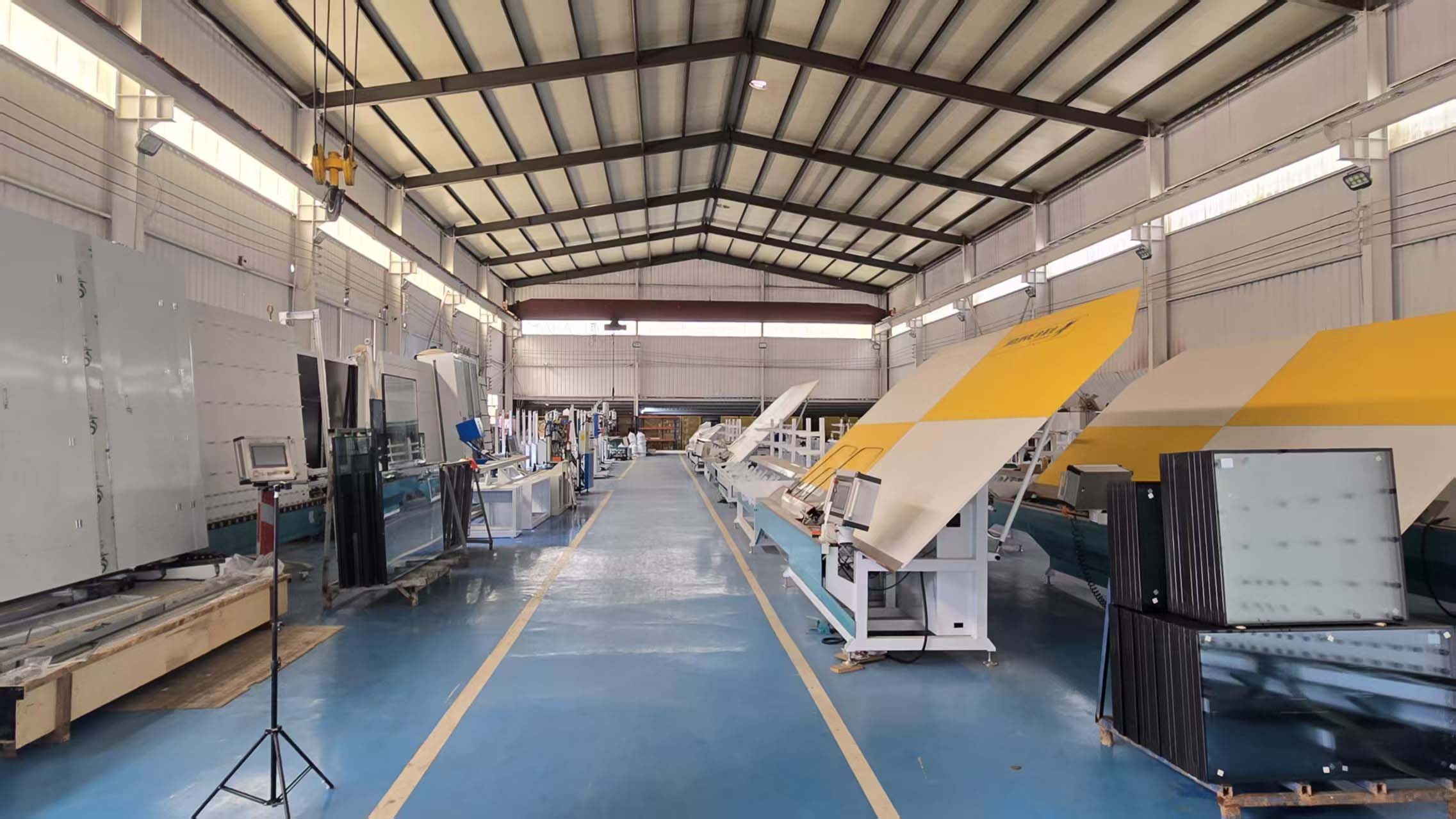
Equipment price remains important, but choosing a machine only because it has the lowest purchase price can lead to higher long-term costs.
Common problems with unsuitable equipment include:
High glass breakage
Poor washing and drying
Uneven spacer positioning
Excessive sealant consumption
Inaccurate argon filling
Frequent machine stoppages
High dependence on skilled workers
Manufacturers should evaluate equipment according to the cost per qualified square metre rather than the initial quotation alone.
A lower-priced machine may become more expensive if it creates rework, material waste or customer complaints.
Modular Automation Is a Practical Direction
Not every Indian glass factory requires a complete high-speed automatic production line.
For many manufacturers, upgrading one process at a time is a safer investment strategy.
The main processes that can be automated include:
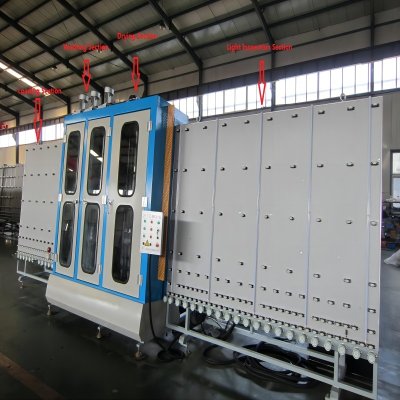
Vertical glass washing and drying
Glass assembly and pressing
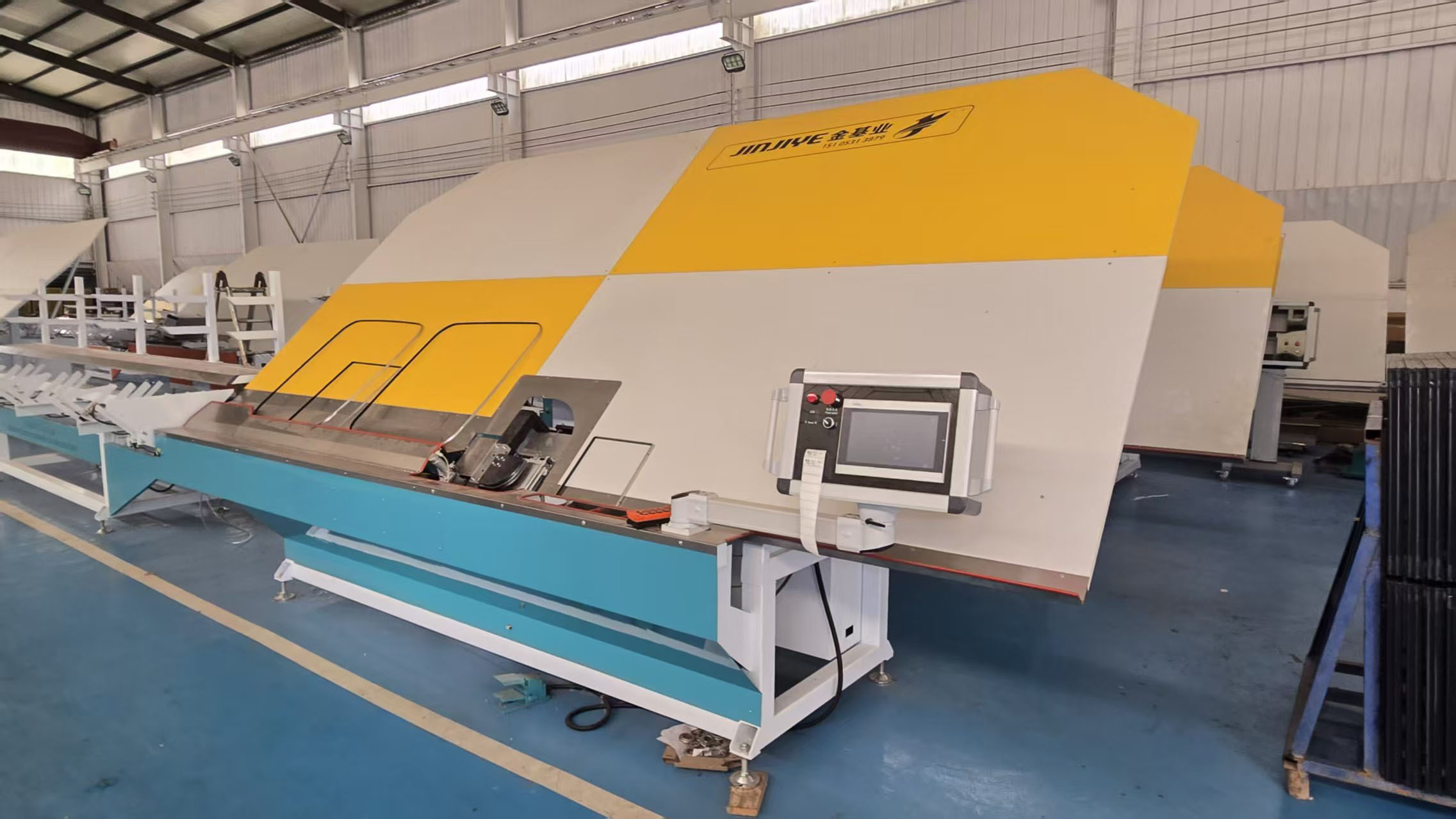
Spacer bending
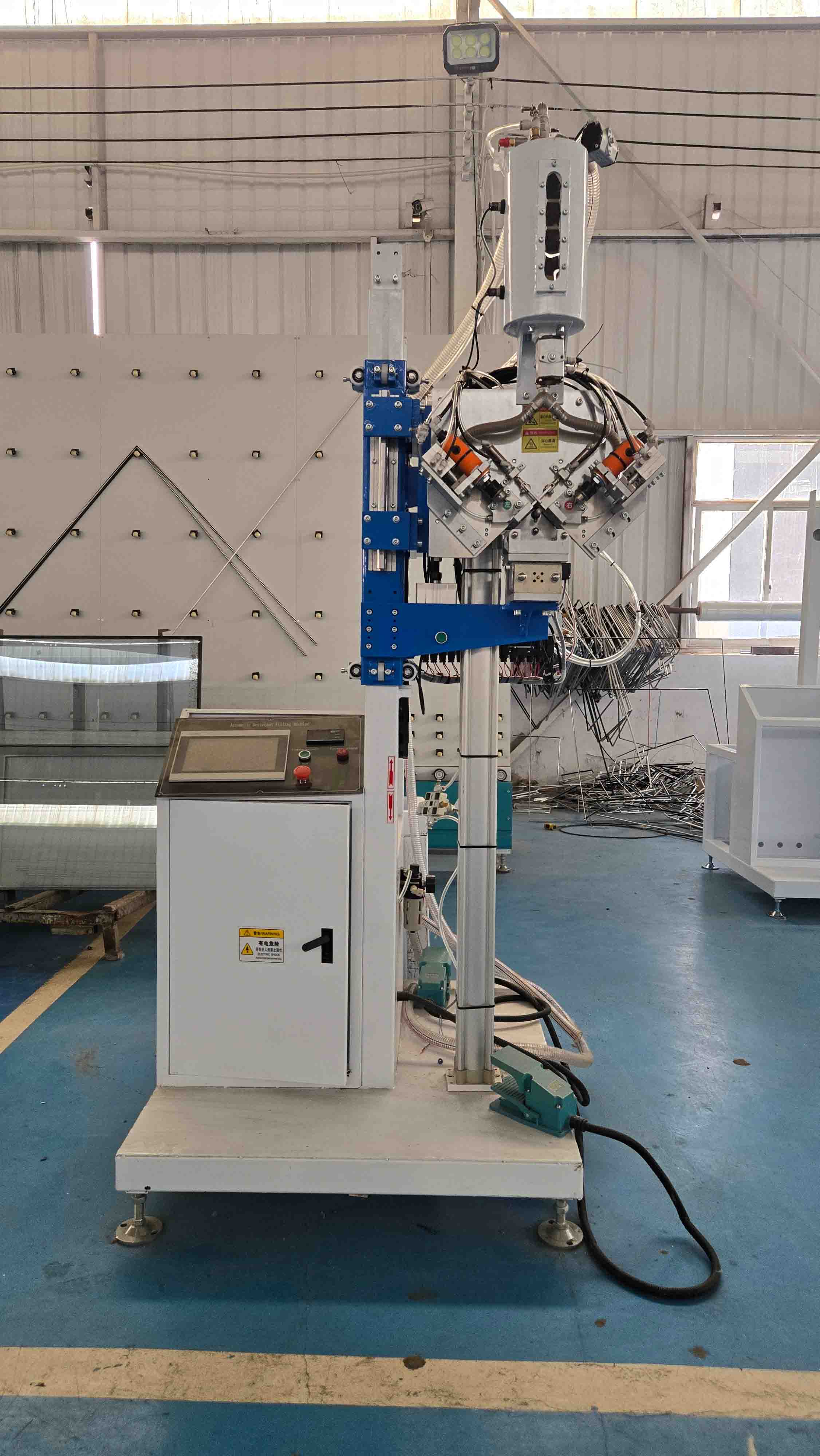
Desiccant filling
Butyl coating
Argon gas filling
Secondary sealing
A factory should first identify its main bottleneck.
For example, a company with an effective washing and pressing line may only need an automatic sealing robot. Another factory suffering from water marks or contamination should first improve its washing and water-treatment system.
The correct investment should solve a real production problem.
Mixed-Size Production Will Become More Important
Many Indian glass factories process different glass sizes, thicknesses and configurations in the same shift.
Future insulating glass production lines should support:
Frequent size changes
Double and triple glazing
Low-E coated glass
Laminated glass
Different spacer widths
Large and heavy panels
Mixed production orders
Automatic glass measurement, servo control and recipe storage can reduce adjustment time.
Manufacturers should not judge a machine only by its maximum speed. A flexible line with fast size changes may produce more finished units than a faster machine requiring frequent manual adjustment.
Washing Quality Directly Affects IGU Performance
Glass washing is one of the most important stages of insulating glass production.
Dust, oil, fingerprints, mineral deposits and incomplete drying can affect appearance and sealant adhesion.
A stable washing system should include:
Suitable brushes for Low-E glass
Adjustable brush pressure
Reliable air-knife drying
Clean water circulation
Water treatment
Regular filter and tank maintenance
The glass must be completely clean and dry before spacer assembly and sealing.
Better Spacer and Argon-Filling Control
Manual spacer cutting and desiccant filling require less initial investment, but they can create dimensional errors and unstable quality.
Automatic spacer bending can reduce corner joints and improve frame accuracy. Automatic desiccant filling can improve cleanliness and filling consistency.
Argon filling is also becoming more important for energy-efficient IGUs.
Online argon-filling systems can control the filling process according to glass size and cavity volume. However, manufacturers should still use independent testing equipment to verify actual gas concentration.
Automatic Sealing Can Reduce Labor Dependence
Manual secondary sealing depends heavily on operator experience.
Common problems include uneven seal depth, excessive sealant use, poor corner quality and inconsistent results between workers.
An automatic sealing robot can improve production stability, especially for factories processing large quantities or oversized glass.
Before purchasing, buyers should confirm whether the machine supports:
Double and triple glazing
Stepped insulating glass
Different spacer depths
Large-size glass
Structural silicone
Polysulfide or polyurethane
The equipment must match the factory’s actual product range.
Solving Common Production Problems
High Dependence on Skilled Workers
Factories should standardise operating procedures and automate processes such as butyl coating, gas filling and secondary sealing.
Unstable Quality Between Orders
Recipe storage, automatic size detection and controlled parameter settings can reduce operator errors.
Low Production Output
The factory should measure the cycle time of each process and upgrade the slowest stage first.
Seal Failure
Manufacturers should control glass cleanliness, butyl continuity, sealant mixing, material storage and curing time.
Long Equipment Downtime
Buyers should request English manuals, electrical drawings, remote technical support and a recommended spare-parts list before purchasing.
Insulating Glass Equipment Price Ranges
The price of insulating glass equipment depends on automation level, glass size, gas filling, electrical brands and optional functions.
General international market references include:
Standard vertical IG production line: US$15,000–US$75,000
Automatic sealing robot: US$25,000–US$50,000
Advanced automatic IG line: US$90,000–US$280,000 or more
These amounts may not include freight, insurance, import duties, taxes, installation, training or spare parts.
The total investment should include:
Equipment price + shipping + import costs + installation + spare parts + training
Indian buyers should compare total landed cost instead of only the machine price.
How to Choose the Right Equipment
Before purchasing, manufacturers should define:
Maximum and minimum glass size
Required daily capacity
Glass thickness range
Low-E glass requirements
Double or triple glazing
Spacer type
Argon-filling requirements
Sealant type
Future expansion plans
Buyers should also request a factory acceptance test using glass sizes and configurations similar to their real orders.
Future Outlook
The Indian insulating glass market is moving toward selective automation, flexible production and stronger quality control.
Small factories may upgrade one process at a time. Growing manufacturers may invest in an automatic vertical IG production line combined with spacer and sealing equipment.
Large façade-glass companies may require integrated argon filling, automatic sealing and production-traceability systems.
Conclusion
The future of insulating glass equipment in India will focus on stable quality, flexible production and controlled operating costs.
Equipment price remains important, but the lowest-priced machine does not always provide the lowest manufacturing cost.
The best investment is equipment that matches the factory’s real order structure, solves current production bottlenecks and delivers consistent qualified output.