English
 Español
 Português
 Русский
 Deutsch
 Francés
 العربية
 한국어
한국어
 Türk
Türk
 日本語
日本語

JINJIYE Upgrades Automatic Insulating Glass Production Line for Higher Efficiency
JINJIYE Upgrades Automatic Insulating Glass Production Line for Higher Efficiency
The New Equipment Upgrade Helps Glass Manufacturers Improve Production Flow, Reduce Manual Operations and Respond Faster to Changing Orders
JINJIYE has announced a new upgrade to its automatic insulating glass production line. The upgrade focuses on improving production efficiency and helping insulating glass manufacturers achieve a smoother, more stable and more flexible production process.
As demand for energy-efficient windows, curtain walls and architectural glazing continues to develop, glass factories are facing higher requirements for production capacity, delivery speed and finished-product consistency.
Traditional production methods often depend heavily on manual handling and operator experience. When order quantities increase or glass specifications change frequently, factories may experience production delays, unstable quality and rising labor costs.
The upgraded JINJIYE automatic insulating glass production line is designed to help manufacturers solve these challenges through better process coordination and a higher level of automation.
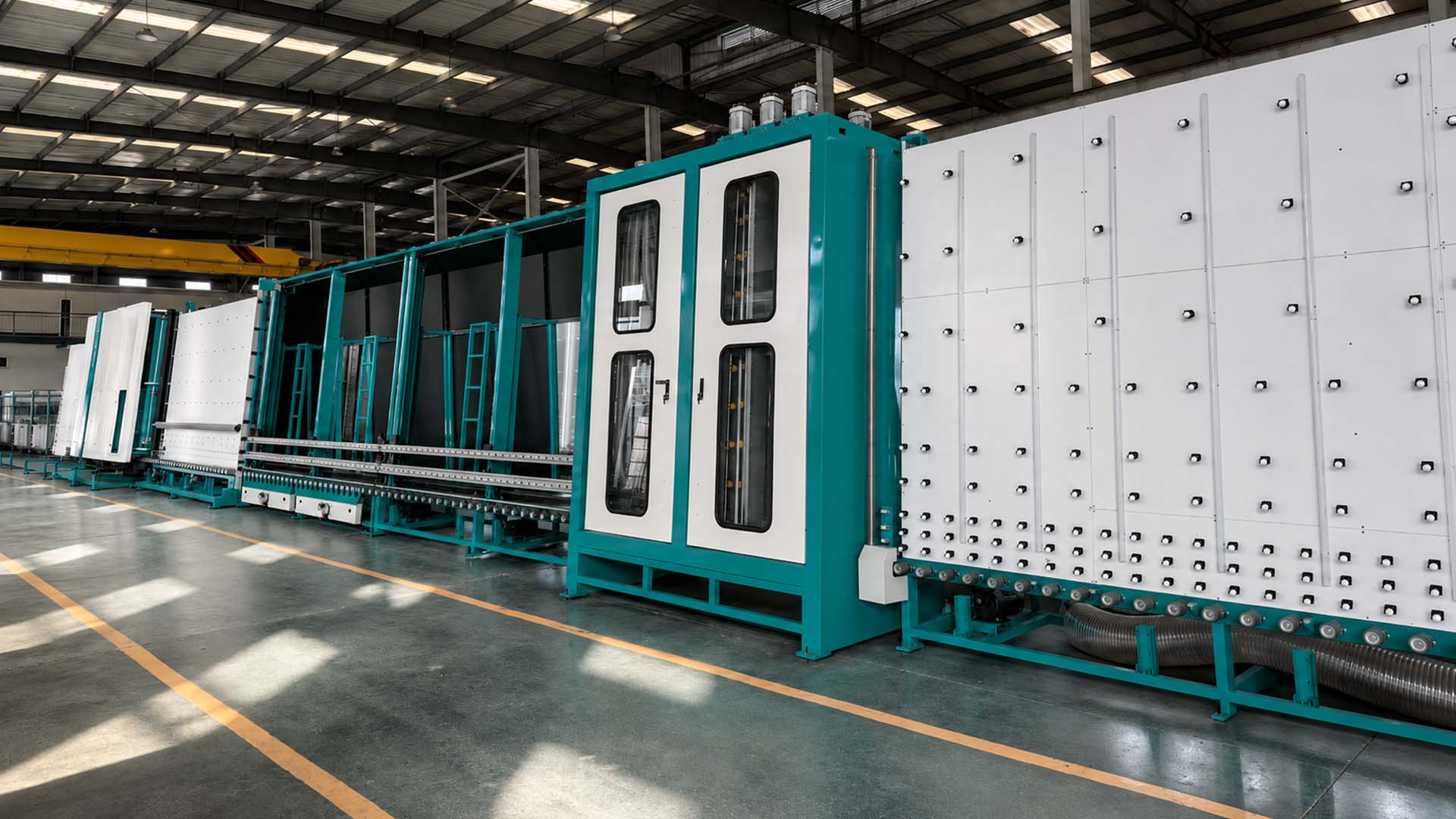
Improving the Complete Insulating Glass Production Process
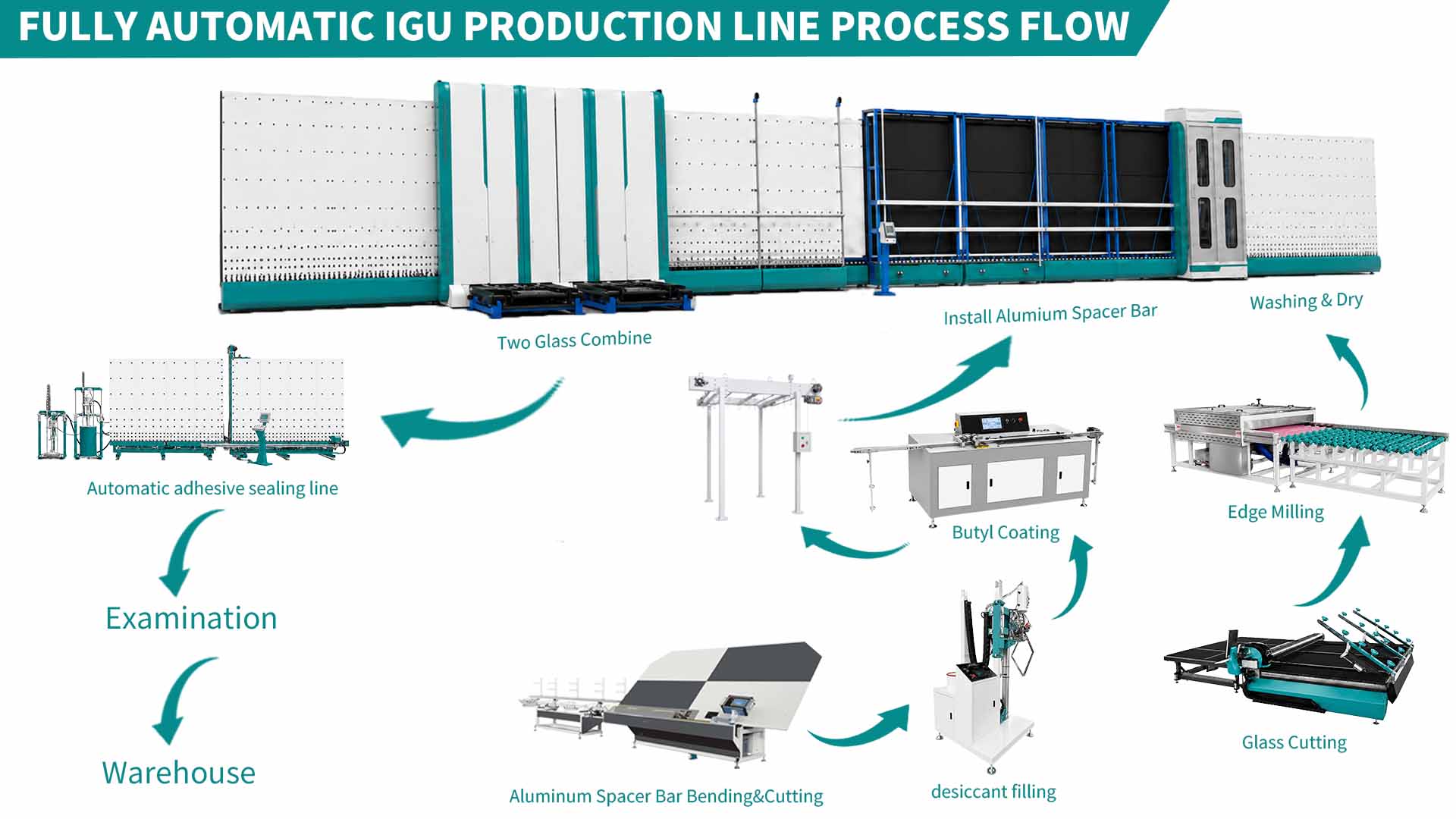
The production of insulating glass involves several connected processes, including glass feeding, washing, drying, inspection, spacer positioning, glass assembly, pressing and unloading.
If one stage operates more slowly than the others, the efficiency of the complete production line can be affected.
The latest equipment upgrade focuses on improving cooperation between different production sections. A smoother glass transfer process can reduce unnecessary waiting time and help operators maintain a more continuous production rhythm.
This is particularly important for factories processing mixed orders with different glass sizes, thicknesses and configurations.
Rather than depending only on maximum machine speed, the upgraded production line focuses on improving overall production efficiency.
Reducing Manual Handling
Manual glass handling can require significant labor, especially when processing large or heavy glass panels.
It may also increase the risk of:
Glass surface contamination
Accidental scratches
Incorrect glass positioning
Production interruptions
Inconsistent operating results
Higher labor requirements
The upgraded automatic insulating glass production line helps reduce unnecessary manual operations during glass transportation, washing, assembly and pressing.
By allowing the equipment to complete more repetitive production steps automatically, operators can focus on material preparation, quality inspection and production management.
This can help glass factories create a safer and more organised working environment while reducing dependence on highly experienced operators.
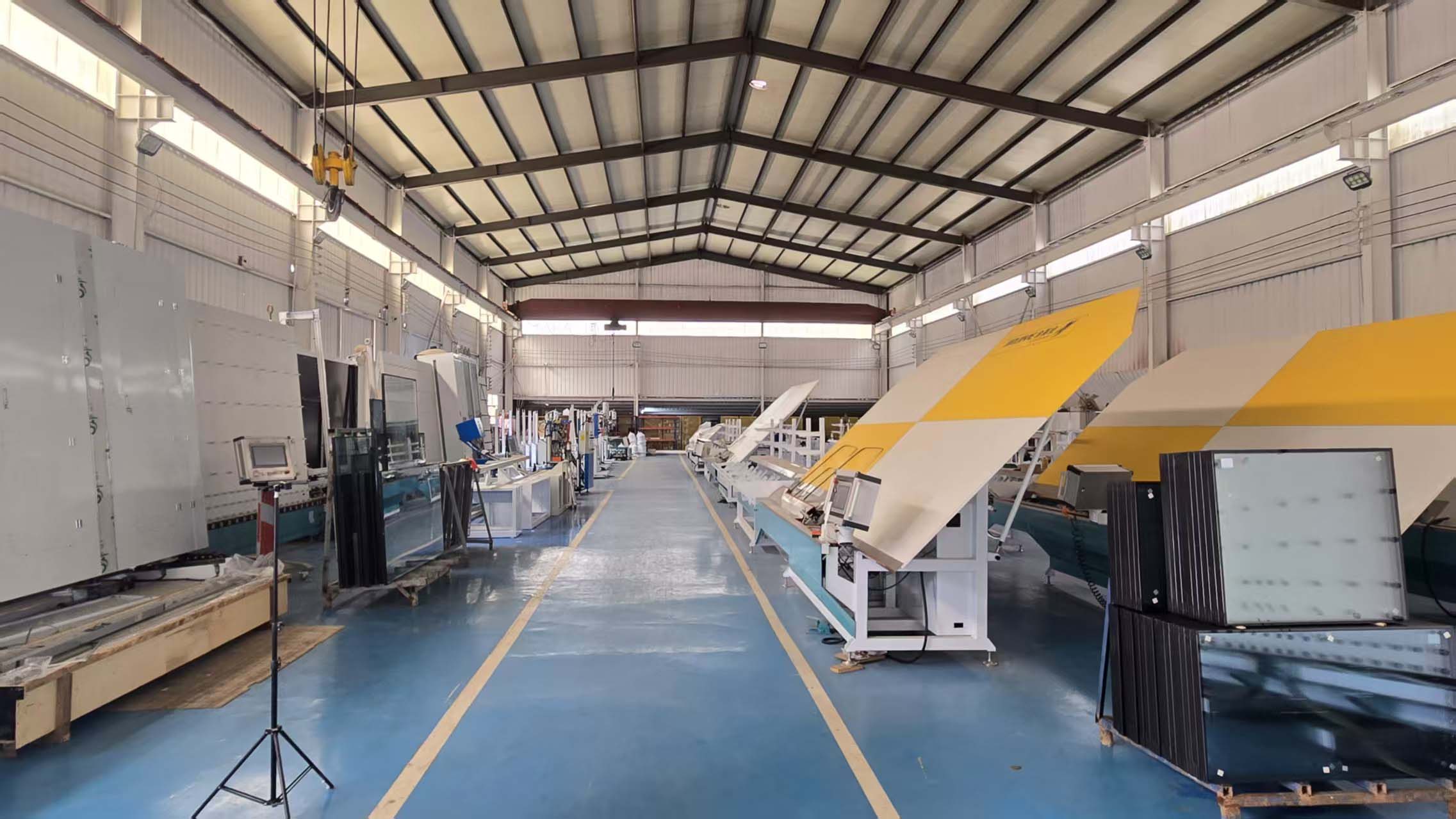
Faster Response to Mixed-Size Orders
Many insulating glass manufacturers no longer produce only large batches of one standard glass size.
Modern window, door and façade projects often require different glass dimensions, spacer widths and IGU configurations in the same production schedule.
Frequent order changes can reduce efficiency when equipment requires long manual adjustments.
The upgraded production line is designed to support a more flexible production process. It can help manufacturers organise mixed-size orders more efficiently and reduce unnecessary adjustment time between different products.
This makes the equipment suitable for manufacturers serving:
Residential window and door companies
Commercial building projects
Curtain-wall contractors
Architectural glass processors
Energy-efficient glazing projects
Custom insulating glass orders
Flexible production is becoming increasingly important as customers request shorter delivery times and more customised glass specifications.
Supporting More Stable Product Quality
Higher production efficiency should not come at the cost of product quality.
In insulating glass manufacturing, washing, drying, alignment and pressing must remain stable throughout the production process.
Dust, water marks, incorrect positioning or unstable pressing can affect the appearance and long-term performance of the finished insulating glass unit.
The upgraded equipment is designed to maintain a controlled production process while improving operating efficiency.
Stable glass transportation and coordinated production sections can help reduce repeated manual corrections. This supports more consistent processing results across different shifts and different operators.
For manufacturers, stable quality can help reduce rework, material waste and customer complaints.
Helping Manufacturers Control Production Costs
The total cost of insulating glass production is influenced by more than the initial equipment price.
Factories must also consider:
Labor requirements
Glass breakage
Energy consumption
Material waste
Rework rates
Machine downtime
Maintenance costs
Daily qualified output
An efficient automatic production line can help manufacturers reduce the cost per qualified insulating glass unit.
By improving production continuity and reducing unnecessary manual operations, the upgraded line can help factories use their labor and equipment more effectively.
The objective is not simply to run the machine faster. The objective is to produce more qualified insulating glass within the available working time.
Designed for Different Factory Requirements
Every insulating glass factory has different products, production capacities and workshop conditions.
A small window manufacturer may require a practical automatic line for standard double glazing. A larger architectural glass factory may need to process oversized glass, Low-E glass, laminated glass or mixed production orders.
JINJIYE can provide production-line configurations according to different manufacturing requirements.
Before recommending equipment, important information may include:
Minimum and maximum glass dimensions
Glass thickness range
Required daily production capacity
Double- or triple-glazing requirements
Low-E glass specifications
Spacer width
Argon-filling requirements
Workshop dimensions
Available power and air supply
Future expansion plans
A suitable production-line configuration should match the customer’s actual orders instead of including unnecessary functions.
Easier Operation and Production Management
Automation is most valuable when the equipment remains practical for daily factory use.
Complicated operating procedures can increase training time and create production errors. Therefore, the upgraded production line also focuses on improving operating convenience.
Clear controls and coordinated machine operation can help operators understand the production process more easily.
Standardised operating procedures can also help factories train new employees and maintain more consistent results between different production shifts.
For manufacturers planning to increase capacity, easier operation is an important part of long-term production development.
Technical Support for International Customers
Purchasing an insulating glass production line is a long-term investment. Equipment installation, operator training, maintenance and spare-parts support are important parts of the project.
JINJIYE provides technical communication according to the customer’s product requirements and factory conditions.
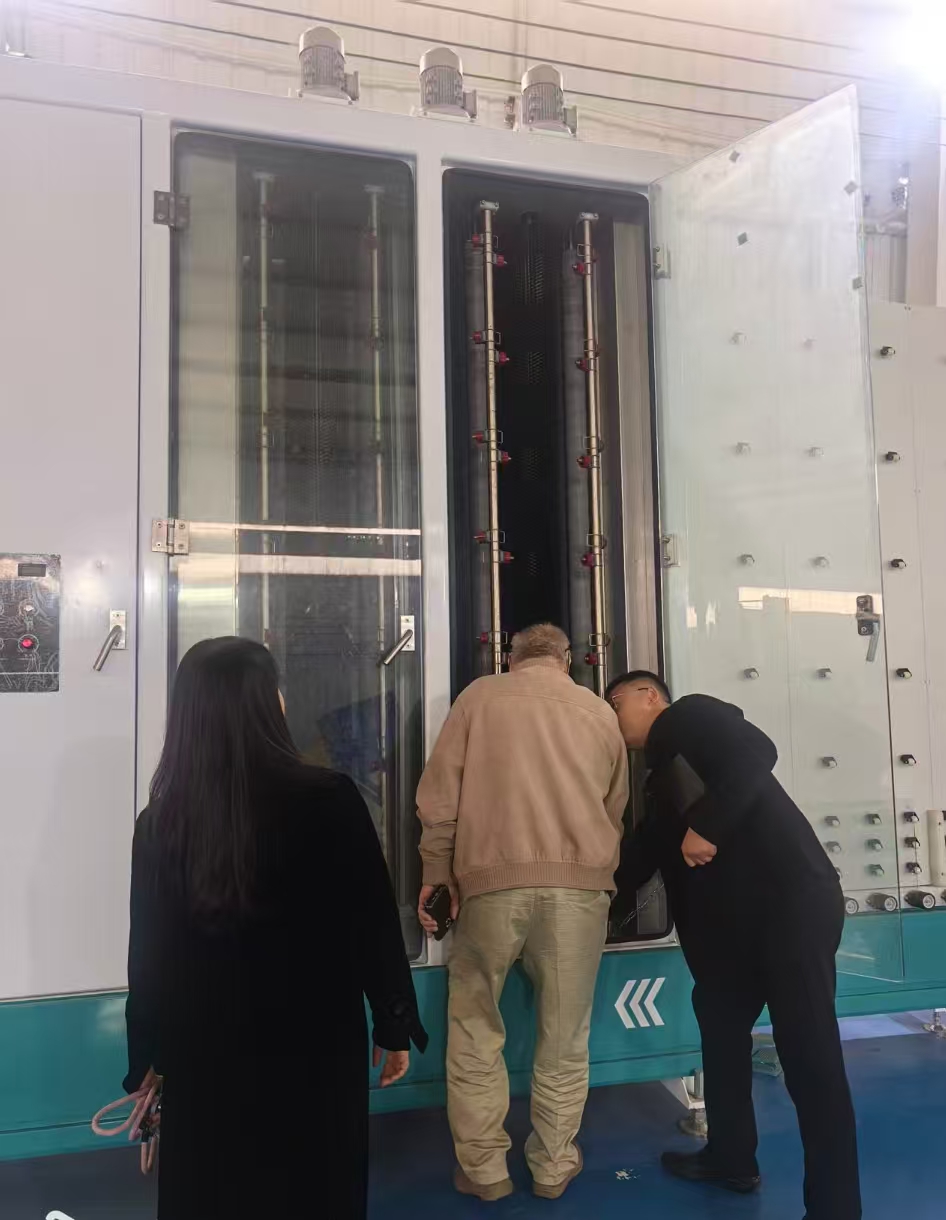
Before delivery, the equipment can be tested according to the agreed production configuration. Customers can also receive operating guidance, maintenance information and technical support for equipment installation and daily use.
Remote technical communication can help customers identify operating issues and reduce unnecessary downtime.
A New Step in Automatic Insulating Glass Manufacturing
The upgrade of the JINJIYE automatic insulating glass production line reflects the changing requirements of the global architectural glass industry.
Glass manufacturers are looking for equipment that can provide more than basic automatic operation. They need solutions that improve production flow, support changing orders and reduce the total cost of qualified products.
The upgraded line is intended to help manufacturers achieve:
Higher production efficiency
Smoother glass transportation
Reduced manual handling
Faster order changes
More stable processing quality
Better use of labor
Improved production management
Greater potential for future capacity expansion
Conclusion
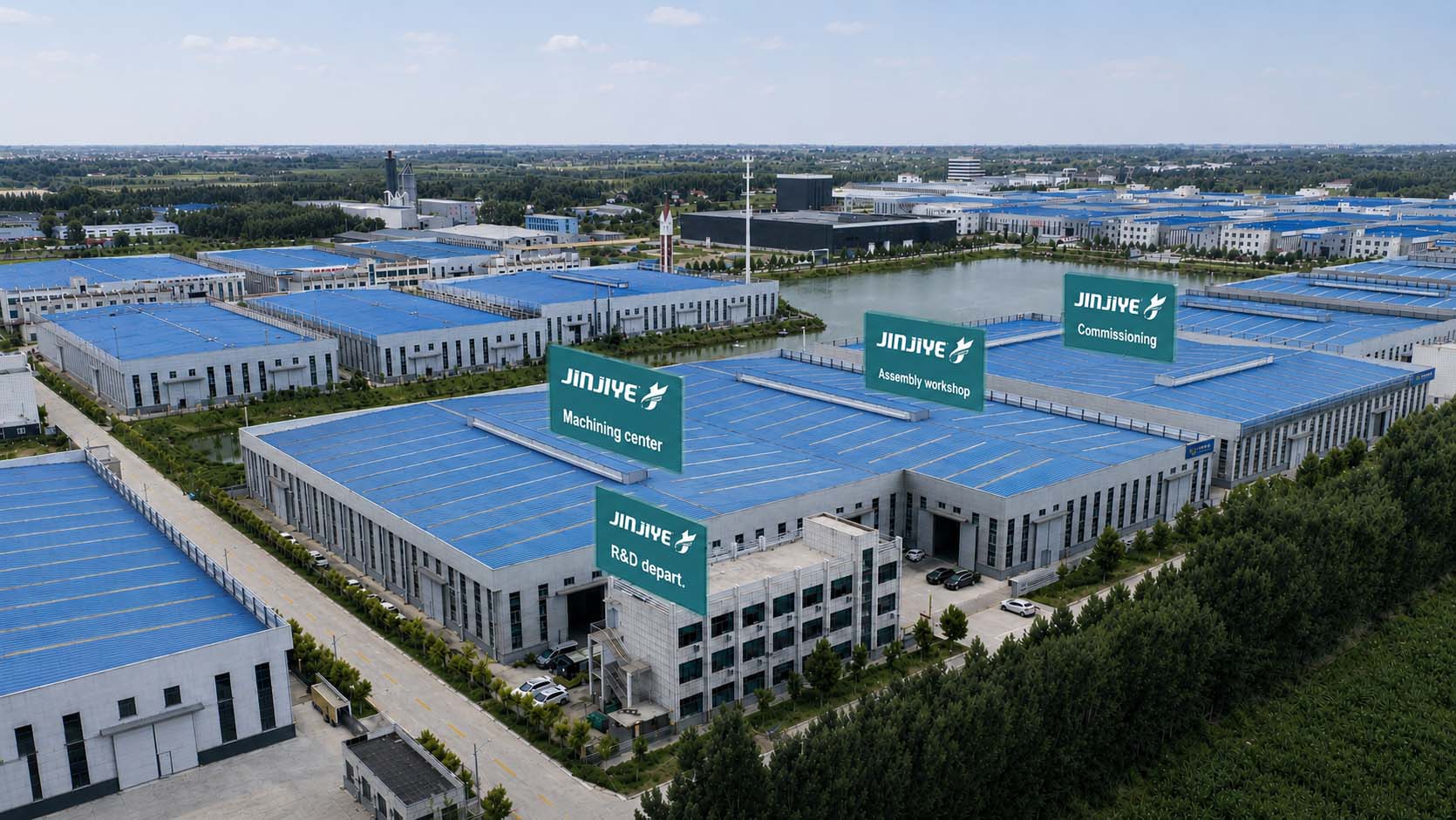
JINJIYE’s upgraded automatic insulating glass production line provides a practical solution for manufacturers seeking higher efficiency and more stable production.
By improving coordination between production processes and reducing unnecessary manual operations, the equipment can help factories respond to changing orders while controlling labor and manufacturing costs.
The upgrade is another step in JINJIYE’s continued development of automatic insulating glass equipment for international glass-processing customers.
Manufacturers planning a new insulating glass factory or upgrading an existing production line can select a suitable equipment configuration according to their glass sizes, product types, target capacity and future development plans.