English
 Español
 Português
 Русский
 Deutsch
 Francés
 العربية
 한국어
한국어
 Türk
Türk
 日本語
日本語

How Much Does an Insulating Glass Production Line Cost in 2026?
How Much Does an Insulating Glass Production Line Cost in 2026?
The cost of an insulating glass production line is one of the first questions glass manufacturers ask when planning a new factory or upgrading an existing production system.
However, there is no single standard price for every IGU production line. The final investment depends on the maximum glass size, required daily output, automation level, glass structure, optional functions and the number of standalone machines included in the project.
A small factory producing standard double-glazed units does not need the same equipment configuration as a manufacturer processing large-size, triple-glazed or Low-E insulating glass.
Before requesting a quotation, buyers should first define their production requirements. This helps the equipment manufacturer recommend a suitable solution instead of offering an oversized or incomplete production line.
JINJIYE designs insulating glass equipment according to the actual glass specifications, factory conditions and production targets of each customer.
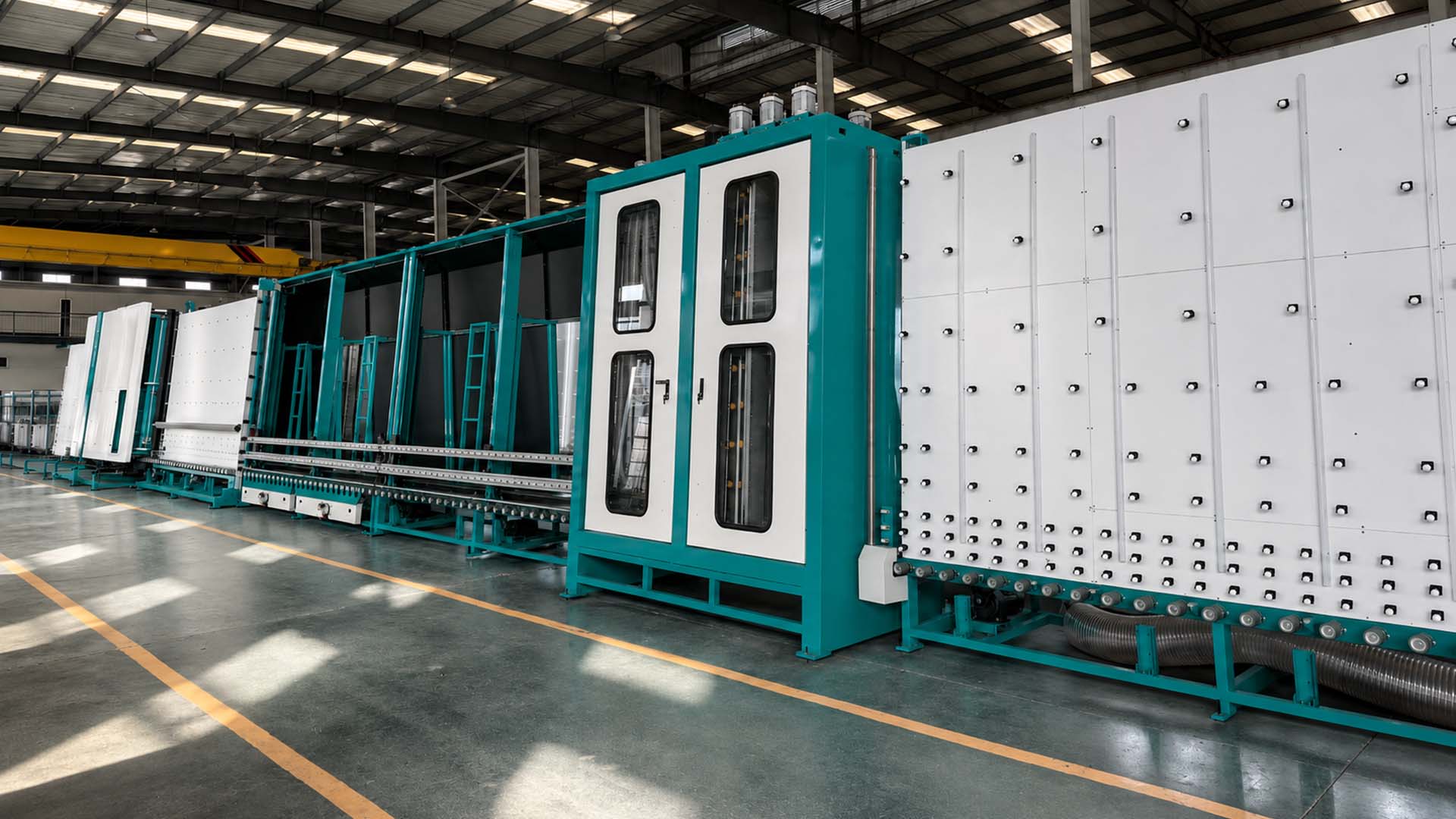
What Equipment Is Included in an Insulating Glass Production Line?
A typical automatic insulating glass production line may include the following working sections:
Glass loading and vertical conveying
Glass washing and drying
Low-E glass identification
Glass inspection
Spacer frame positioning
Automatic glass assembly
Insulating glass pressing
Argon gas filling
Finished IGU conveying
Depending on the customer’s production process, additional standalone equipment may also be required:
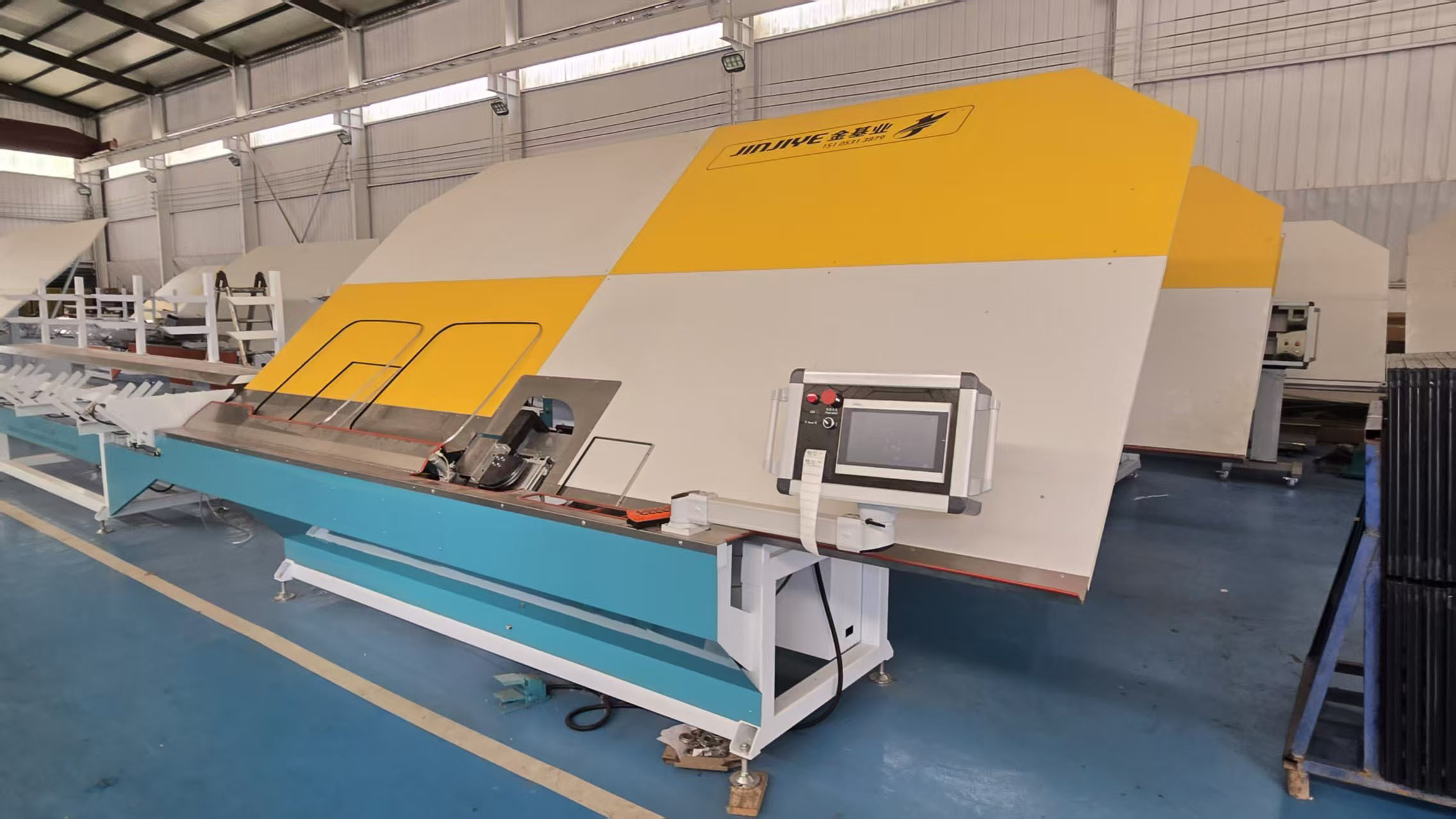
Automatic aluminum spacer bending machine
Two-component sealant extruder
Automatic insulating glass sealing robot
Glass handling equipment
Automatic protective film laminating machine
The cost of a complete IGU factory project is therefore different from the cost of one automatic production line.
When comparing quotations, buyers should check exactly which machines, functions, spare parts and services are included.
1. Maximum Glass Size
Maximum glass size is one of the most important factors affecting the cost of an insulating glass production line.
A line designed for standard residential window glass requires a different structure from equipment used for large architectural glass.
Larger glass requires:
A stronger machine frame
More powerful conveying components
Larger washing and pressing sections
Higher load capacity
More stable glass support
More precise positioning
Additional safety protection
The buyer should provide both the maximum and minimum glass dimensions.
Only providing the maximum size is not enough, especially when the factory also processes many small or mixed-size glass orders.
2. Required Production Capacity
Production capacity directly affects the configuration of the line.
A glass factory should calculate its target output according to:
Number of IGUs required per shift
Total square meters per day
Number of working shifts
Average glass dimensions
Percentage of double and triple glazing
Frequency of size changes
Number of operators available
A high-speed production line may not always provide the best return on investment.
For factories processing customized windows and mixed-size orders, flexible production, fast size recognition and stable automatic positioning may be more important than maximum line speed.
JINJIYE evaluates both production volume and order structure before recommending a configuration.
3. Automatic or Semi-Automatic Configuration
Automation level has a major influence on the total equipment investment.
A semi-automatic solution may require operators to complete spacer positioning, gas filling, sealing or material handling manually.
A more automated production system can reduce manual operations and improve production consistency.
Automatic functions may include:
Automatic glass size measurement
Automatic glass thickness detection
Automatic Low-E recognition
Automatic spacer positioning
Automatic glass assembly
Automatic pressing
Online argon gas filling
Automatic sealing
Automatic protective film application
Factories with high labor costs or large production volumes often prefer a higher automation level.
Smaller factories may begin with essential equipment and upgrade individual processes later.
The correct choice depends on production volume, available workers, product quality requirements and the factory’s investment plan.
4. Double Glazing or Triple Glazing
Producing triple-glazed units requires more processing steps than standard double glazing.
The production line must handle:
Additional glass sheets
Additional spacer frames
Greater finished-unit thickness
Higher glass weight
More complex assembly sequences
Longer pressing and gas-filling cycles
Customers planning to manufacture both double and triple glazing should confirm this requirement before equipment production begins.
It is also important to provide the complete IGU thickness range, including glass thickness and spacer width.
This allows the manufacturer to confirm whether the conveying, positioning, pressing and sealing systems can process the required products.
5. Argon Gas Filling System
Argon gas filling is commonly used to improve the thermal performance of insulating glass units.
There are several production methods:
Manual gas filling after glass assembly
Offline gas filling equipment
Online gas filling during the pressing process
An integrated online gas filling system can reduce manual handling and improve production efficiency.
However, the required configuration depends on:
IGU dimensions
Cavity thickness
Target gas concentration
Production speed
Double or triple glazing
Gas supply conditions
Buyers should not compare gas filling systems only by speed. Filling stability, sealing coordination, measurement method and gas consumption are also important.
6. Glass Washing and Low-E Processing
The glass washing and drying section has a direct effect on finished IGU quality.
Poor cleaning or incomplete drying may cause:
Water marks
Dust inside the unit
Reduced sealing quality
Visual defects
Customer complaints
Factories processing Low-E glass should also confirm:
Whether the machine can identify the Low-E coating surface
Whether the washing section is suitable for coated glass
Whether the brushes and water system match the glass type
Whether the drying section can remove moisture effectively
A lower-priced washing section may reduce the initial investment, but unstable cleaning quality can increase production losses later.
7. Automatic Sealing Equipment
Secondary sealing can be completed manually or with an automatic insulating glass sealing robot.
Manual sealing requires a lower initial investment, but the result depends heavily on operator experience.
An automatic sealing robot can help improve:
Sealant application consistency
Corner filling quality
Production efficiency
Sealant control
Finished product appearance
Labor efficiency
The correct sealing solution depends on the daily output, glass dimensions, sealant type and product structure.
For a new factory with limited production, manual or semi-automatic sealing may be sufficient.
For continuous production or large architectural IGUs, an automatic sealing system may provide better long-term efficiency.
8. Factory Layout and Installation Conditions
The machine price is not the only cost that buyers should consider.
The factory may also need to prepare:
Suitable floor space
Electrical supply
Compressed air
Water supply and drainage
Glass storage areas
Spacer and sealant working areas
Finished product storage
Safe material flow
Loading and unloading access
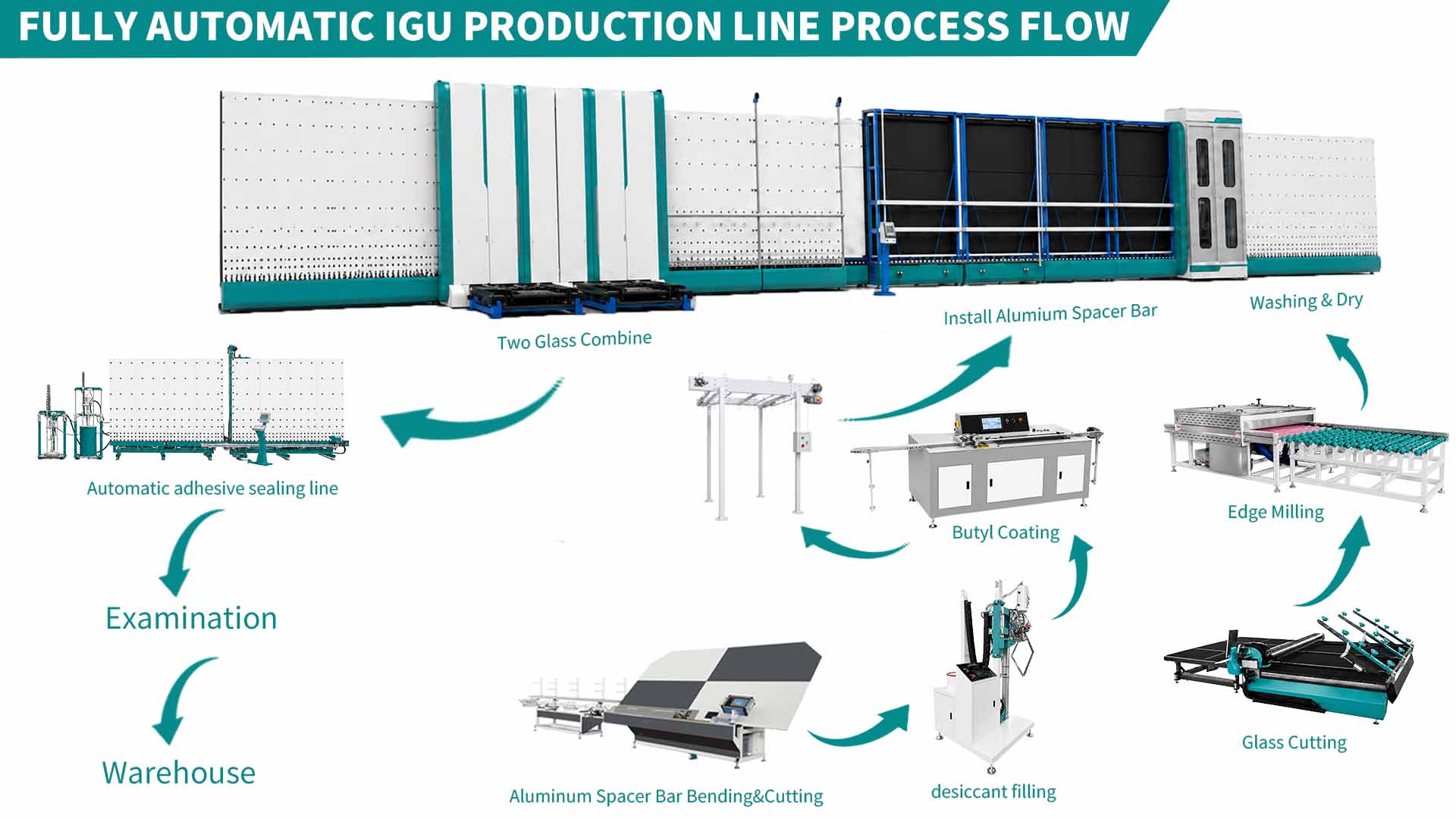
Before confirming an order, the customer should send a factory layout or provide the available workshop dimensions.
JINJIYE can arrange the equipment according to the workshop space and production process.
A reasonable layout reduces unnecessary glass handling and helps improve production efficiency.
9. Installation, Training and After-Sales Service
Two equipment quotations may look similar but include very different services.
Buyers should confirm whether the quotation includes:
Installation guidance
Commissioning
Operator training
Electrical drawings
Machine manuals
Recommended spare parts
Remote technical support
Software support
Warranty conditions
Overseas service arrangements
Reliable technical support is especially important for international buyers.
The equipment supplier should be able to help the customer solve installation, operation and maintenance problems after delivery.
JINJIYE provides equipment documentation, technical guidance and production support according to the agreed project scope.
How to Compare IGU Production Line Quotations
When comparing quotations from different manufacturers, do not look only at the total price.
Check the following details:
Maximum and minimum glass size
Supported glass thickness
Maximum IGU thickness
Double- or triple-glazing capability
Production speed
Automatic measurement functions
Low-E glass processing capability
Pressing and gas filling method
Main electrical and control components
Included standalone machines
Spare parts and tools
Installation and training services
Warranty and after-sales support
Packaging and shipping scope
A quotation with a lower total price may exclude important machines or services.
A clear technical comparison helps buyers understand the real value of each solution.
What Information Is Needed for an Accurate Quotation?
To receive a suitable insulating glass production line quotation, prepare the following information:
Country and installation location
Maximum glass size
Minimum glass size
Glass thickness range
Maximum IGU thickness
Double or triple glazing
Required output per shift
Main glass applications
Low-E glass requirements
Argon gas filling requirements
Automatic sealing requirements
Available factory dimensions
Local voltage and frequency
Existing equipment list
Preferred delivery schedule
Providing complete information allows the manufacturer to recommend the correct production line and avoid unnecessary equipment costs.
Why Choose JINJIYE Insulating Glass Equipment?
JINJIYE focuses on equipment solutions for insulating glass and architectural glass processing.
Our equipment can be configured for:
New IGU factories
Existing production line upgrades
Residential window glass
Architectural insulating glass
Low-E glass
Double glazing
Triple glazing
Large-size glass
Mixed-size customized orders
Instead of offering the same configuration to every customer, JINJIYE develops the equipment proposal according to the customer’s glass specifications, production capacity, workshop conditions and automation requirements.
Frequently Asked Questions
Is there a standard price for an insulating glass production line?
No. The price depends on glass size, production capacity, automation level, gas filling, sealing equipment and other optional functions.
Can I start with standalone machines instead of a complete line?
Yes. A small or existing factory can purchase key standalone machines first and upgrade the production process gradually.
Can one production line process both double and triple glazing?
It depends on the machine configuration. Triple glazing requirements should be confirmed before the production line is designed.
Does JINJIYE provide a factory layout proposal?
JINJIYE can recommend an equipment arrangement according to the customer’s workshop dimensions and production process.
What should I send before requesting a quotation?
Provide the maximum glass size, daily production target, IGU thickness, glass structure, required functions, voltage and destination country.