English
 Español
 Português
 Русский
 Deutsch
 Francés
 العربية
 한국어
한국어
 Türk
Türk
 日本語
日本語

Automatic Glass Film Laminating Machine for Custom Glass Production
Why More Glass Factories Are Using Automatic Film Laminating Machines
Applying protective film to glass is not a difficult job when every panel is the same size.
The problem is that most orders are not like that anymore.
A factory may receive several large panels, some narrow pieces and many small custom sizes in the same day. Workers have to measure the glass, pull the film, keep it straight and cut the extra material. Then they repeat the same work for the next panel.
It is slow, and the final result often depends on who is operating.
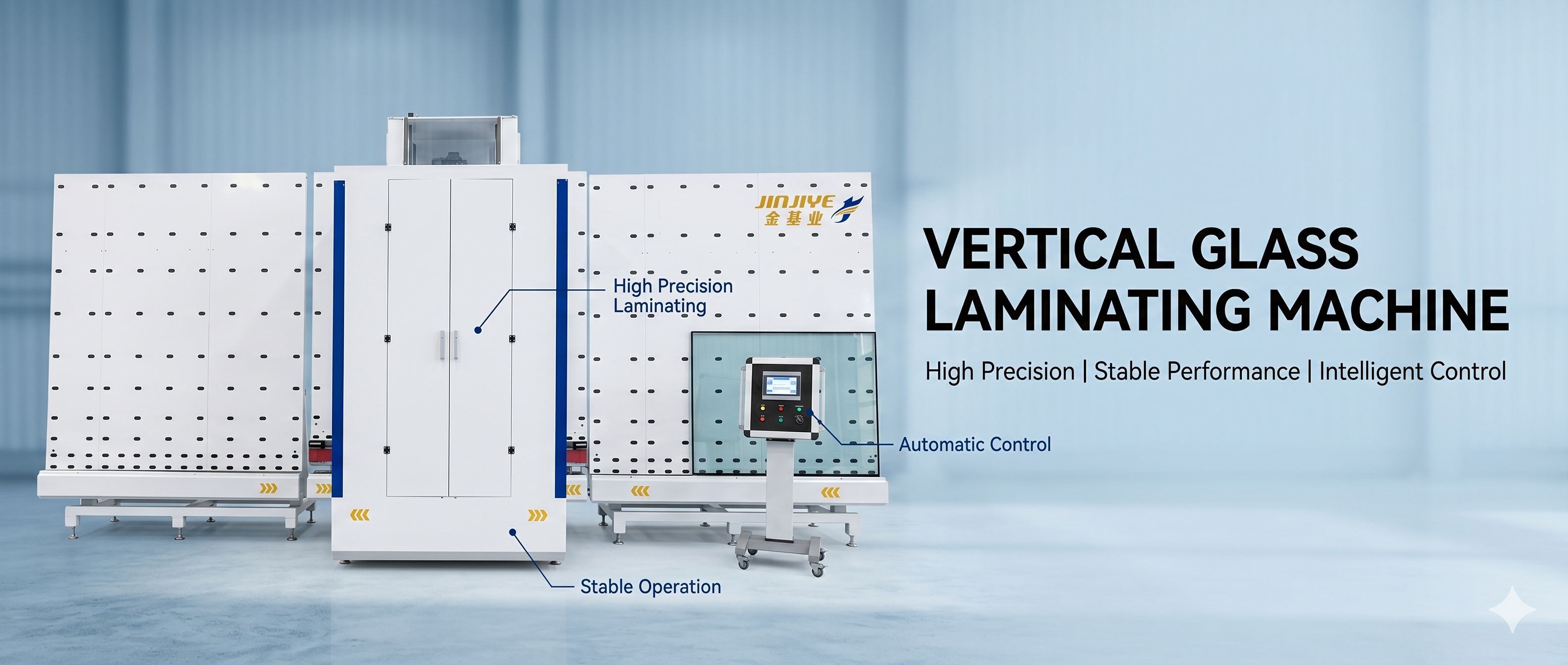
This is one reason more glass factories are starting to use a vertical glass film laminating machine.
The Real Problem Is Frequent Size Changes
Manual film application is still common.
For a standard order, it may be acceptable. But custom glass production is different. Glass height, length and thickness can change several times during one shift.
Workers need to stop and adjust again and again.
If the film is not pulled evenly, wrinkles may appear. If the position is slightly wrong, the edge distance will not look the same. Bubbles can also remain between the film and glass.
These problems may look small, but they affect packing, delivery and the customer’s first impression.
An automatic machine handles the repetitive part of the work.
It measures the incoming glass and adjusts the film application according to the actual size.
How the Machine Works
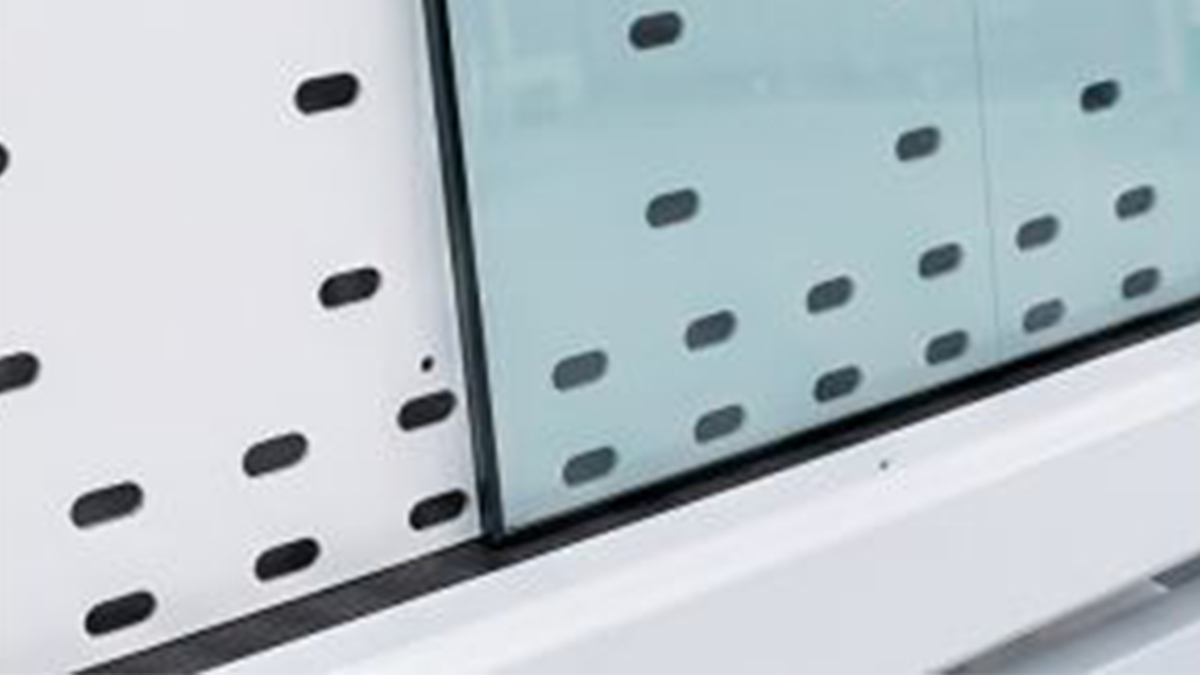
The glass enters the machine in a vertical position.
Sensors check the glass height and thickness. After that, the laminating units move according to the measured size.
The operator does not need to measure every panel by hand.
The machine is suitable for different types of glass, including:
Insulated glass
Decorative glass
Residential glass
Laminated glass
Fire-resistant glass
Architectural glass
The normal processing range starts from about 450 × 350 mm and can reach 2500 × 3500 mm.
Glass thickness can be from 15 to 100 mm.
Film Quality Is Easier to Control
Speed is only one part of the reason to automate.
Consistency matters more.
During manual work, film tension can change. One worker may pull harder than another. Even the same worker may not get the same result on every panel.
The automatic system controls the movement more steadily.
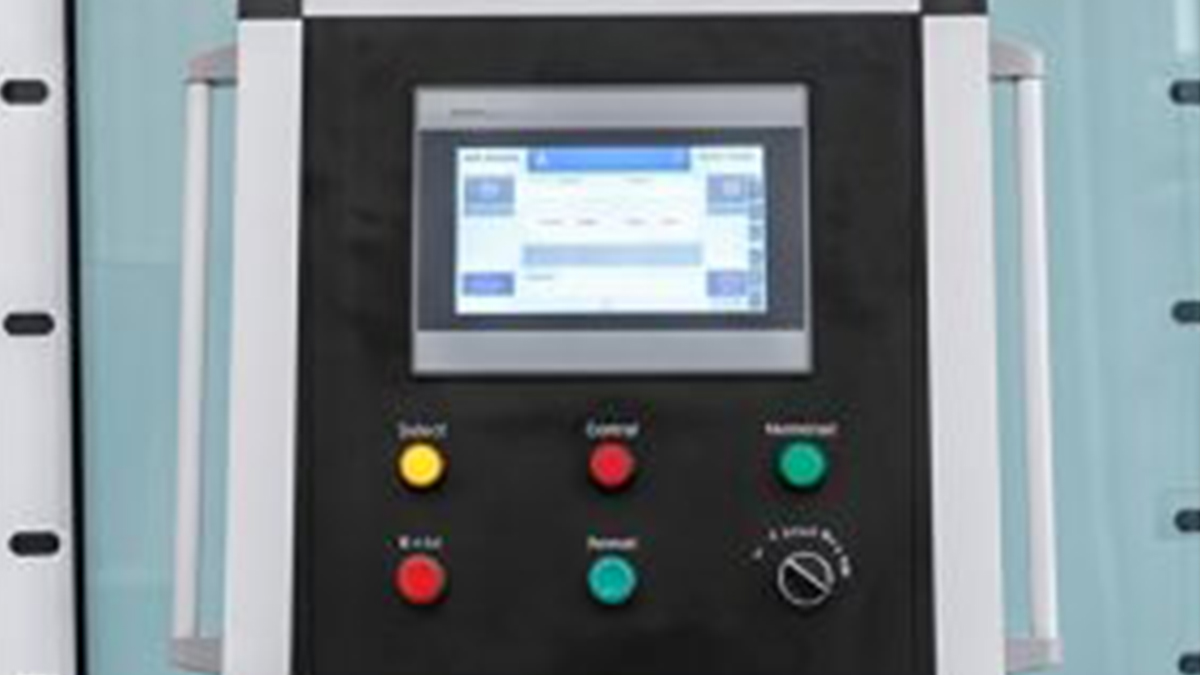
Photoelectric sensors help locate the glass. Servo motors control the laminating path. Supporting wheels under the glass help reduce sagging when large panels pass through the machine.
This helps reduce:
Wrinkles
Film deviation
Uneven edges
Large air bubbles
Rework caused by poor appearance
The glass still needs to be clean before laminating. Dust on the surface cannot be solved by automation.
The Blade Does Not Cut on the Glass Surface
This is a detail many buyers ask about.
With manual film application, workers sometimes use a blade directly along the glass edge. If the blade slips, the glass may be scratched.
On this machine, the film is cut inside the equipment.
The blade does not need to travel across the glass surface.
This lowers the risk of scratches, especially when processing finished decorative or coated glass.
Different Film Widths Help Reduce Waste
Not every glass panel needs a wide film roll.
If a factory uses the same wide roll for all glass sizes, a lot of material may be wasted.
The machine has four film positions, two on each side.
Different film widths can be installed. A narrower film roll can be used for smaller areas, while a wider roll can be used for larger panels.
The smaller film position supports a width of about 350 mm. The larger position can use film up to around 700 or 750 mm.
This gives the factory more choice when planning production.
It also supports different film directions, depending on the glass and label requirements.
What About Production Speed?
Production output depends on the order.
Small glass, large glass and mixed-size glass do not run in exactly the same way.
For fragmented residential glass orders, the machine may process around 600 to 800 pieces in an eight-hour shift under suitable conditions.
Daily production can reach about 600 square metres.
The working speed is adjustable from 2 to 25 metres per minute.
These numbers are only a reference. The real output depends on glass size, film layout, edge requirements and the number of size changes.
Can It Be Added to an Existing IGU Line?
Yes.
The machine can work by itself, but it can also be connected to an insulated glass production line.
This is useful for factories that already have washing, assembly and sealing equipment but still apply protective film manually.
Before connecting the machine, several details need to be checked:
Conveying height
Glass movement direction
Available factory space
Line speed
Maximum glass size
Electrical requirements
The machine uses PLC and servo control, so it can coordinate with other vertical glass equipment.
Is It Suitable for Heavy Glass?
The maximum glass weight can reach about 1.5 tonnes.
That does not mean every large and heavy panel should run at maximum speed.
Very large glass may need slower movement. The actual setup should be confirmed based on the glass size, thickness and weight.
Factories should provide real product information before choosing the machine.
A typical glass list is often more useful than only asking for the maximum specification.
Who Needs This Machine?
This machine is mainly suitable for factories with:
Many custom glass sizes
Frequent order changes
High manual labour costs
Unstable film quality
Large daily output
Existing IGU production lines
For a small workshop producing only a few standard panels, manual film application may still be enough.
For factories handling mixed orders every day, automation can save more time and reduce repeated work.
It does not remove the operator completely.
Someone still needs to load film rolls, set parameters, check the glass and inspect the finished product.
But workers no longer need to pull, align and cut every piece of film by hand.
That is the main benefit.
Questions Buyers Often Ask
Can it use electrostatic protective film?
Yes. The machine is suitable for electrostatic film with a thickness of about 0.03 to 0.05 mm.
Does it detect glass size automatically?
Yes. It measures the glass height and thickness before applying the film.
Can the edge distance be adjusted?
Yes. The reserved edge can be set according to the production requirement.
Can it work with different glass sizes in one day?
Yes. This is one of its main uses.
Does automatic laminating mean zero bubbles?
No machine can guarantee perfect results under every condition.
Film quality, glass cleanliness, temperature and machine settings can all affect the final result. However, automatic laminating usually gives a more stable result than manual work.