English
 Español
 Português
 Русский
 Deutsch
 Francés
 العربية
 한국어
한국어
 Türk
Türk
 日本語
日本語

Can a Glass Plant Safely Reuse Washer Water?
In many plants, the answer is yes—but only after the water has been checked and treated for its next use. The wash section and the final rinse do different jobs, so they should not automatically receive water of the same quality.
Filtered recycled water may be suitable for an earlier washing stage, while the final rinse may require demineralized water that meets the glass supplier’s processing requirements. Before investing in a closed-loop system, separate the water streams, identify the contamination and calculate the real cost of treatment, maintenance and disposal.
Filtration and Demineralization Are Not the Same
One of the most common purchasing mistakes is treating “filtered water” and “demineralized water” as interchangeable terms.
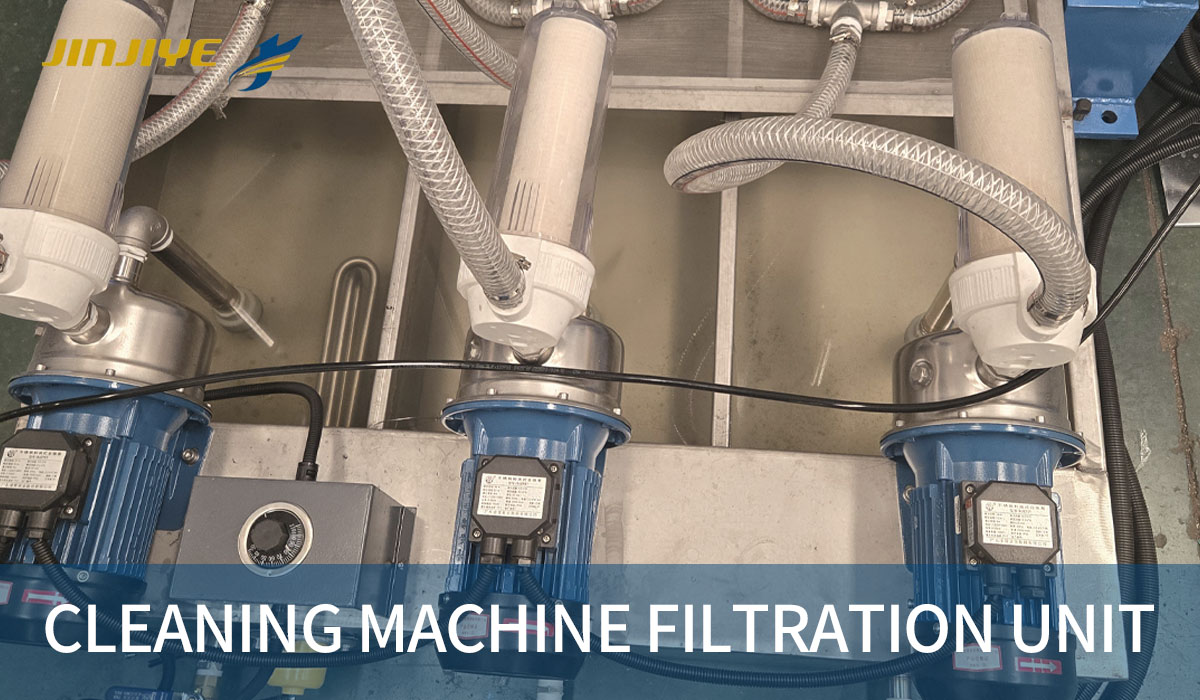
A mechanical filter is mainly used to remove suspended material. Depending on the factory, this may include glass particles, dust, interlayer fragments and other solid contamination.
Demineralization addresses a different problem. A particle filter will catch debris, but it does little about minerals already dissolved in the water. Those minerals can be left behind as faint deposits once the pane dries.
So, clear water is not always clean enough for the last rinse. A conductivity reading can reveal dissolved ionic material that the eye cannot see. The acceptable limit, however, should come from the processing instructions for the exact glass or coating in production.
A closed-loop system may therefore need two treatment levels:
Filtered recycled water for an earlier washing stage
Higher-quality water for the final rinse
Using the highest water quality for every stage may add unnecessary treatment cost. Using basic filtration everywhere may leave the final rinse below the required standard.
Map the Water Flow Before Selecting Equipment
Do not begin with the filter model. Begin with a simple drawing of where water enters, where it becomes contaminated and where it leaves the process.
Record:
Water entering each washing or rinsing stage
Daily operating hours
Current fresh-water consumption
Volume discharged to the drain
Water carried away on the glass
Overflow and cleaning losses
Source-water quality
Types of contamination in each stream
Frequency of tank cleaning
Wastewater and sludge disposal requirements
Measurements taken during a normal production week are more useful than figures collected during a short machine demonstration.
Factories processing float glass, coated glass and laminated glass should also note when the product mix changes. Different upstream operations can introduce different contaminants into the water.
What Does a Practical Treatment Process Include?
There is no universal treatment layout for every glass factory, but a water recycling process may contain several stages.
1. Collect the Used Water
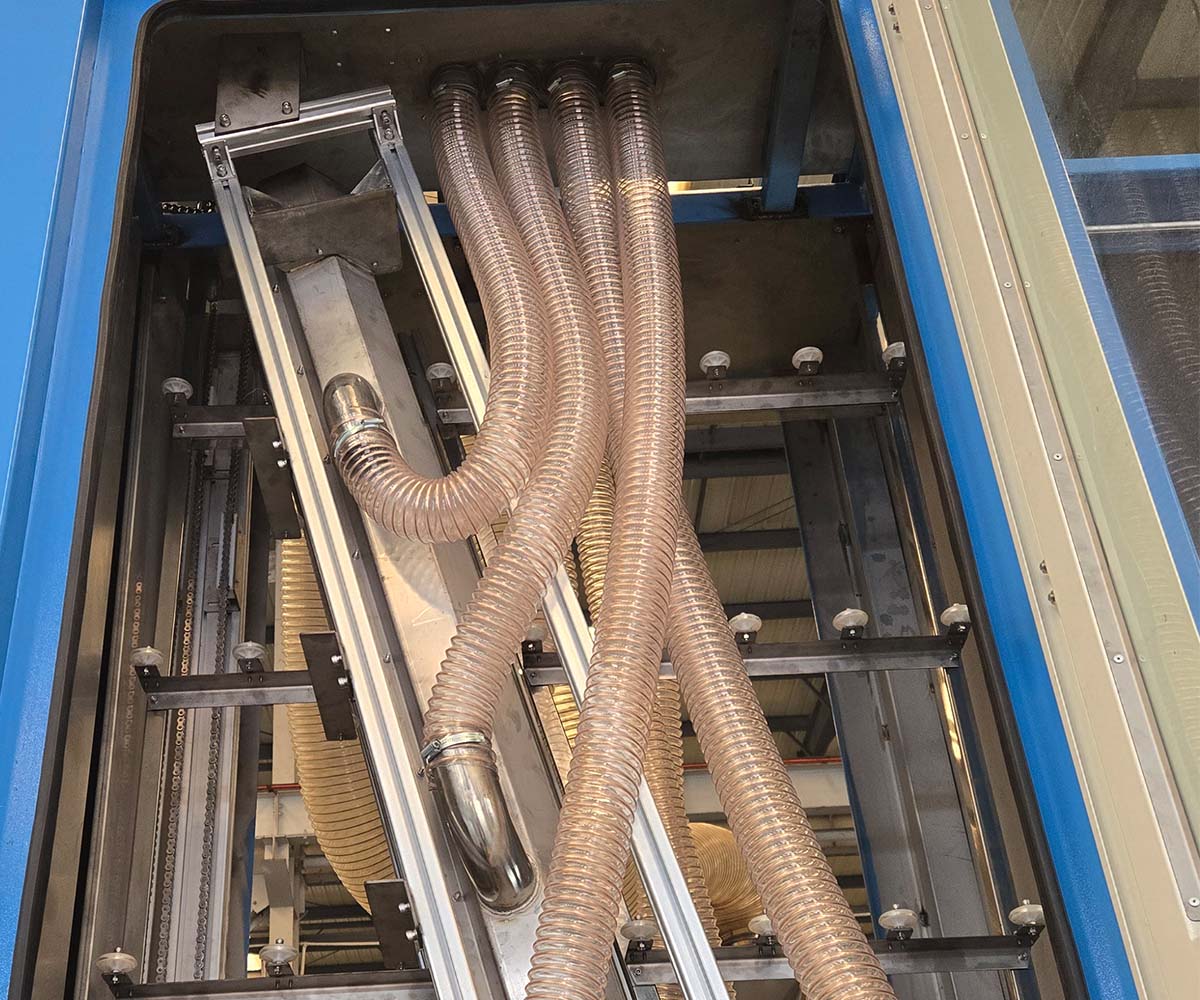
Used water returns to a dedicated tank or pit. The return tank needs enough capacity for normal flow changes, a dependable overflow arrangement and enough access for operators to clean it properly.
2. Catch Coarse Debris Early
Screens or settling sections remove larger fragments before they reach pumps and finer filters. Removing this material early keeps sharp particles out of the pump and reduces the load on the finer filtration stage.
3. Take Fine Solids Out of the Loop
Settling equipment, filter media or other separation technologies can remove fine glass particles and process residue. The best option depends on what is actually in the water, how much water the line moves and where the treated water will be reused.
4. Treat Dissolved Minerals Where Necessary
If the water will be used where dissolved minerals matter, additional treatment may be required. The appropriate process must be selected from a water analysis rather than from appearance alone. Clear-looking water can still contain dissolved substances.
5. Check the Water Before Sending It Back
The treated water is stored and pumped back to the selected process. Monitoring may include flow, pressure, conductivity, tank level and filter condition, depending on the system.
Do Not Mix Every Wastewater Stream Automatically
Water leaving the washer is only one of several wet streams in a glass shop. Edgers, drills, laminated-glass processing and routine equipment cleaning can each send different contaminants back to the drain.
Running all of those streams into the same tank may simplify the piping, but it can complicate everything that happens afterward. Grinding water can contain a high level of fine glass sludge. Laminated-glass processing may introduce film fragments. Other operations may add oils or process chemicals.
Before connecting several machines to one water treatment system, identify what each stream contains. Compatible streams may share a treatment plant, but only when the selected process can handle their combined contamination and flow.
The final rinse supply should also be protected from untreated return water. A piping or valve error can send unsuitable water into the most quality-sensitive stage of the washer.
How Should a Factory Calculate the Business Case?
Do not base the decision only on the price of tap water.
A useful cost comparison includes:
Fresh-water purchase cost
Wastewater or sewer charges
Filter media and cartridge replacement
Water-treatment chemicals, if used
Electricity for pumps and treatment equipment
Membrane or resin replacement
Tank and piping cleaning
Glass-sludge handling and disposal
Maintenance labor
Production losses caused by water-quality problems
A water recycling system may be attractive where water consumption and discharge charges are high. It may also be useful where the quality of the incoming water changes during the year.
However, “closed loop” should not be interpreted as completely maintenance-free or permanently zero discharge. Water can leave the system with sludge, filter cleaning, evaporation and the washed glass. Some systems also need controlled replacement water to maintain stable operation.
When Is Water Recycling Worth Considering?
A factory should evaluate a closed-loop water system when:
The washer operates for several shifts
Fresh-water use is difficult to control
Wastewater charges are increasing
The facility has water-supply restrictions
Several wet-processing machines operate nearby
Water quality changes between seasons
Tanks require frequent draining because of contamination
A new production line is being planned
A smaller workshop may not require a large centralized plant. A compact system serving one washer or a small group of machines may be easier to maintain and justify.
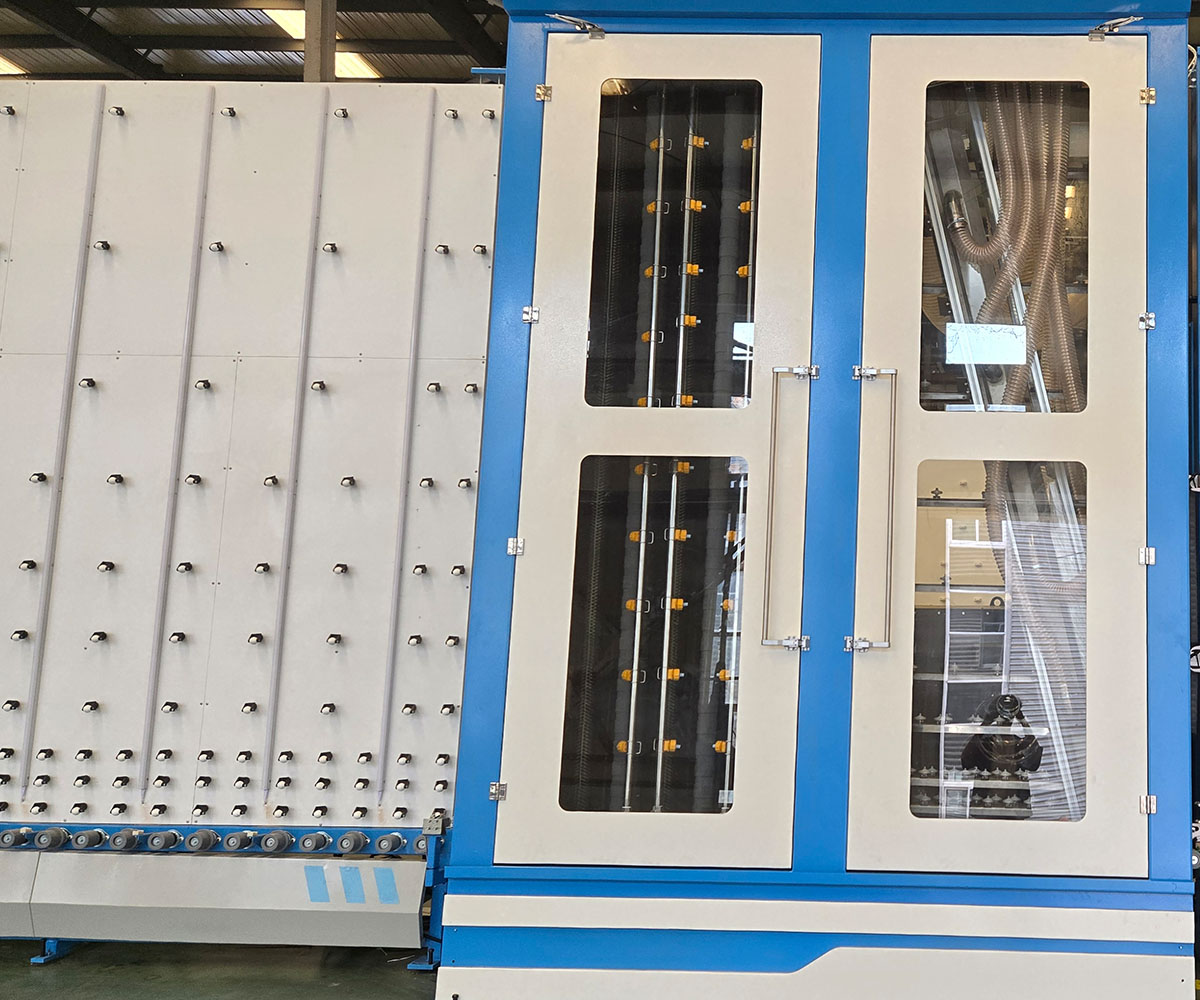
When comparing an industrial glass washing machine, ask how its tanks, pumps, overflow points and final-rinse connection will work with the proposed water system.
Information to Provide Before Requesting a Solution
A machine or water-treatment supplier cannot select a reliable system from the washer width alone.
Provide:
Washer model and water-tank arrangement
Working hours per shift
Estimated water consumption
Required flow and pressure
Glass types being processed
Upstream cutting or grinding operations
Source-water analysis
Target reuse points
Available floor space
Local discharge requirements
Planning a new horizontal glass washing machine or vertical glass washer? Decide how water will be supplied, collected and treated while the production layout is still being drawn. Tanks, drains and pipe runs are much easier to arrange at that stage than after the washer has been installed.
Practical Questions From Glass Processors
Is Treated Return Water Suitable for the Final Rinse?
Sometimes—but only when testing shows that the treated water is suitable for that job. The final water quality must meet the requirements of the glass or coating supplier. Basic particle filtration alone may not be sufficient.
Does a Fine Filter Reduce Water Conductivity?
Not by itself. A fine filter is designed to trap particles, while dissolved minerals can pass through it. If conductivity is the problem, the system needs a treatment stage designed specifically for dissolved material.
Can One Water System Serve a Washer, Edger and Drilling Machine?
It can in some factories, but the combined water volume and contamination must be evaluated. Do not connect the machines simply because they all use water.
Will a Closed-Loop System Eliminate Fresh-Water Use?
Usually not completely. Water is lost through evaporation, sludge removal, cleaning and carry-out on the product. Replacement water and periodic maintenance may still be required.
What Should Buyers Test Before Approving a System?
Test the source water, untreated return water and treated water. Confirm that the system maintains the required quality and flow during normal production, not only during a short trial.
Plan the Washer and Water System Together
The glass washer and its water supply should be treated as one production process. A good washer cannot deliver a stable result if the incoming and recycled water are poorly controlled.
When discussing a new glass washing machine with JINJIYE, provide your source-water condition, planned working hours, reuse requirements and factory layout. This allows the washer connections and surrounding utilities to be considered before installation.