English
 Español
 Português
 Русский
 Deutsch
 Francés
 العربية
 한국어
한국어
 Türk
Türk
 日本語
日本語

IGU Production Line Commissioning Checklist: What to Verify Before Handover
An IGU production line can run smoothly during a supplier demonstration and still cause trouble after it arrives at your factory. The reason is usually not the brochure speed. It is whether the line can process your actual glass, materials, utilities and product range on a normal working day.
Commissioning and final handover are the stage where these details become clear. The buyer should not only ask whether the machines can run. The more important question is whether the complete process is stable, repeatable and easy for operators to control.
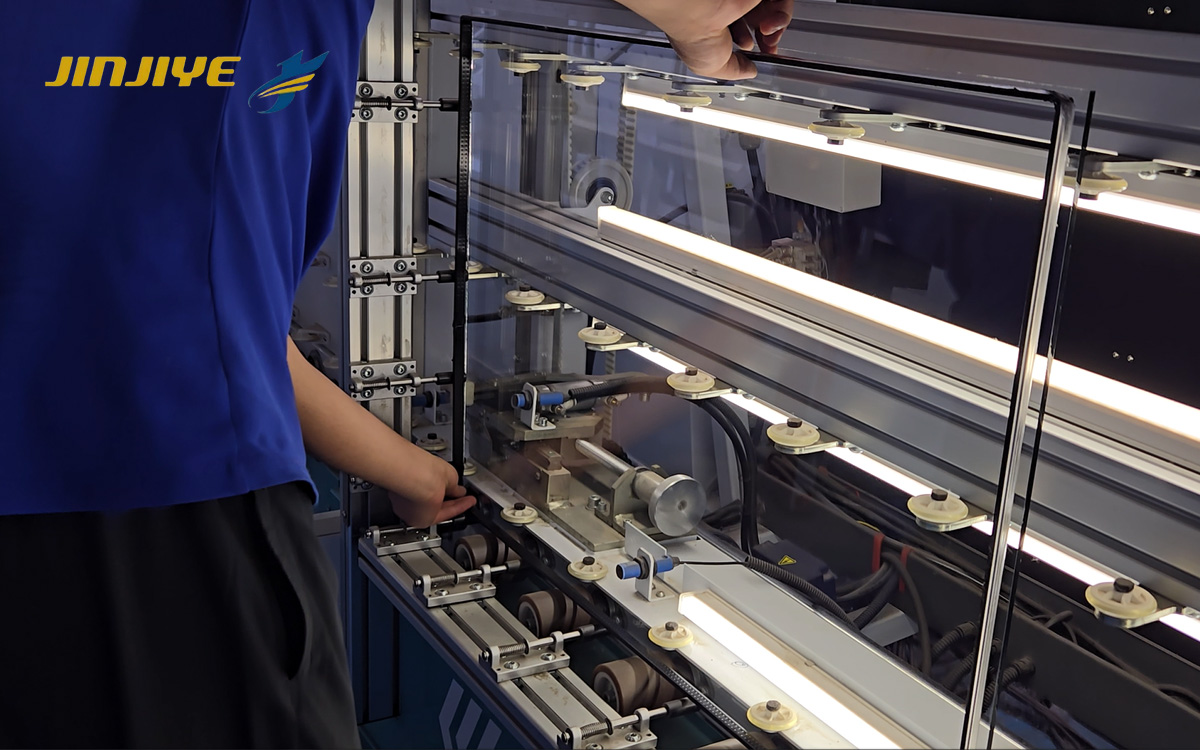
What Should the Commissioning Test Prove?
A proper commissioning test should answer four practical questions:
Can the line process all agreed glass sizes and thicknesses?
Does it produce acceptable units repeatedly, not only one sample?
Do the electrical, pneumatic, water and gas supplies match the machine requirements?
Can trained operators start, stop, adjust, clean and safely maintain the equipment?
The final acceptance should be based on agreed specifications and real samples. A short demonstration with prepared glass is not enough.
Build the Test Plan Around Your Real Products
Before commissioning begins, prepare a test list with the supplier. Include the products that represent your daily production rather than testing only the easiest size.
A useful test plan may include:
A small, commonly produced double-glazed unit
A typical order size
The largest regular glass size
Low-E glass, if it is part of your product range
Triple glazing, if required
Argon-filled units, if gas filling is included
Different spacer widths and finished IGU thicknesses
The supplier should know the glass thickness, spacer type, sealant and target output before the test. If possible, use the buyer’s own glass and production materials. This gives a more realistic result than using samples prepared only for a showroom demonstration.
Check the Line Section by Section
1. Glass Loading and Conveying
Start with the basic movement of the glass. Check whether the panes enter the line smoothly, remain stable on the rollers and stop in the correct position.
Pay attention to small details:
Does the glass touch the frame or guide rail?
Are the transfer sections aligned?
Can the operator stop and restart the line safely?
Does the system handle different glass sizes without repeated manual correction?
A line that moves quickly but causes edge contact or frequent positioning adjustments will create problems later.
2. Washing and Drying
Clean and dry glass is essential for both visual quality and sealing performance. During the test, inspect the glass immediately after the washer.
Look for water marks, wet edges, dust, brush marks and scratches. The final rinse water, brush pressure and drying section should be checked together. If Low-E glass is included, confirm that the loading direction and cleaning settings follow the glass supplier’s recommendations.
Factories can review the JINJIYE glass washing machine when evaluating the washing section of an IGU line.
3. Spacer Preparation and Desiccant Filling
The spacer frame should match the required dimensions without visible twisting or open corners. Check the frame diagonals, corner joints and position relative to the glass edge.
For factories using automatic equipment, the automatic aluminum spacer bending machine and automatic desiccant filling machine should be tested with the actual spacer widths used in production.
The first frame from each new size deserves extra attention. A small dimensional error at this stage can affect assembly, pressing and final sealing.
4. Butyl Coating
The butyl bead should be continuous and consistent around the complete spacer frame. Check the bead position, height, temperature and pressure during a normal production cycle.
Do not inspect only the straight sections. Corners often reveal unstable pressure or incorrect machine settings. The automatic butyl extruder should also be tested after a size change, because a setting that works for one spacer width may not be suitable for another.
5. Assembly, Pressing and Gas Filling
During assembly, confirm that the panes and spacer frame remain aligned without glass-to-glass contact. The pressing section should produce the required finished thickness without damaging the glass or moving the spacer.
If gas filling is part of the line, verify the filling method, connection points, purge process and test result. The push-pull argon gas filling machine can be evaluated together with the final product requirements.
For larger projects, a complete automatic gas-filled IGU production line should be tested as one connected system rather than as separate machines only.
6. Secondary Sealing
The secondary sealing test should cover sealant mixing, flow, bead shape and corner coverage. The operator should be able to identify the correct ratio and respond to alarms before a large number of units are affected.
Depending on the selected configuration, review the two-component sealant equipment or the automatic IGU sealing robot.
Keep the first accepted unit from the test run. It can later be used as a reference when operators adjust the machine or train a new shift.
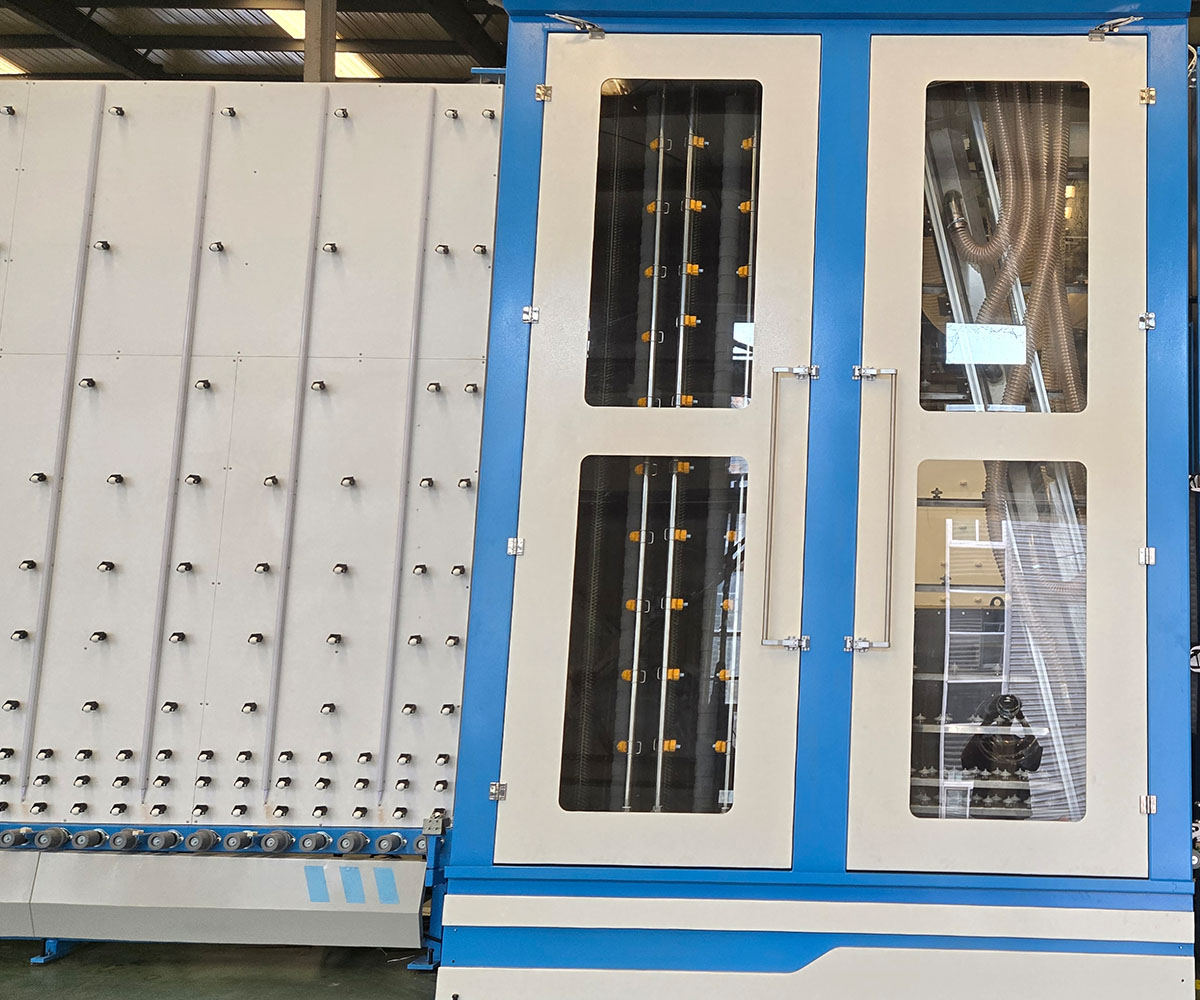
Do Not Accept the Line on Speed Alone
Production speed is easy to show and easy to misunderstand. A supplier may quote the fastest cycle under ideal conditions, while the factory experiences longer waiting times during normal production.
During acceptance, record:
Actual cycle time
Waiting time between stations
Changeover time between glass sizes
Number of operator adjustments
First-pass acceptance rate
Alarms and unplanned stops
Material waste and rejected units
A short run may hide problems. Many factories choose a controlled batch of several repeated units for each important product type. The exact quantity should be agreed with the supplier before testing.
The goal is not to chase the highest number on the screen. It is to confirm that the line can maintain stable quality during ordinary production.
Verify Utilities and Safety Before Handover
The machine should be tested under the same utility conditions expected during daily operation. Confirm the actual voltage and frequency, compressed-air pressure, water supply, drainage and argon connection.
Safety checks should include:
Emergency-stop buttons
Safety doors and guards
Restart behavior after a power interruption
Alarm display and reset procedure
Access for cleaning and maintenance
Safe operator walkways around the line
Noise, heat and water discharge conditions
Any missing guard, unstable connection or unclear alarm response should be listed as an open item before the handover is signed.
What Should Be Included in the Handover File?
A complete handover should include more than a delivery note. Keep one project file containing:
Final accepted product specifications
Test results and first-piece records
Confirmed machine settings
Operation and maintenance manuals
Electrical and pneumatic drawings
Recommended spare-parts list
Software backup and parameter files
Operator training records
Unresolved issues, responsible person and completion date
This file becomes useful months later when a new operator joins, a parameter is changed or a repeated alarm appears.
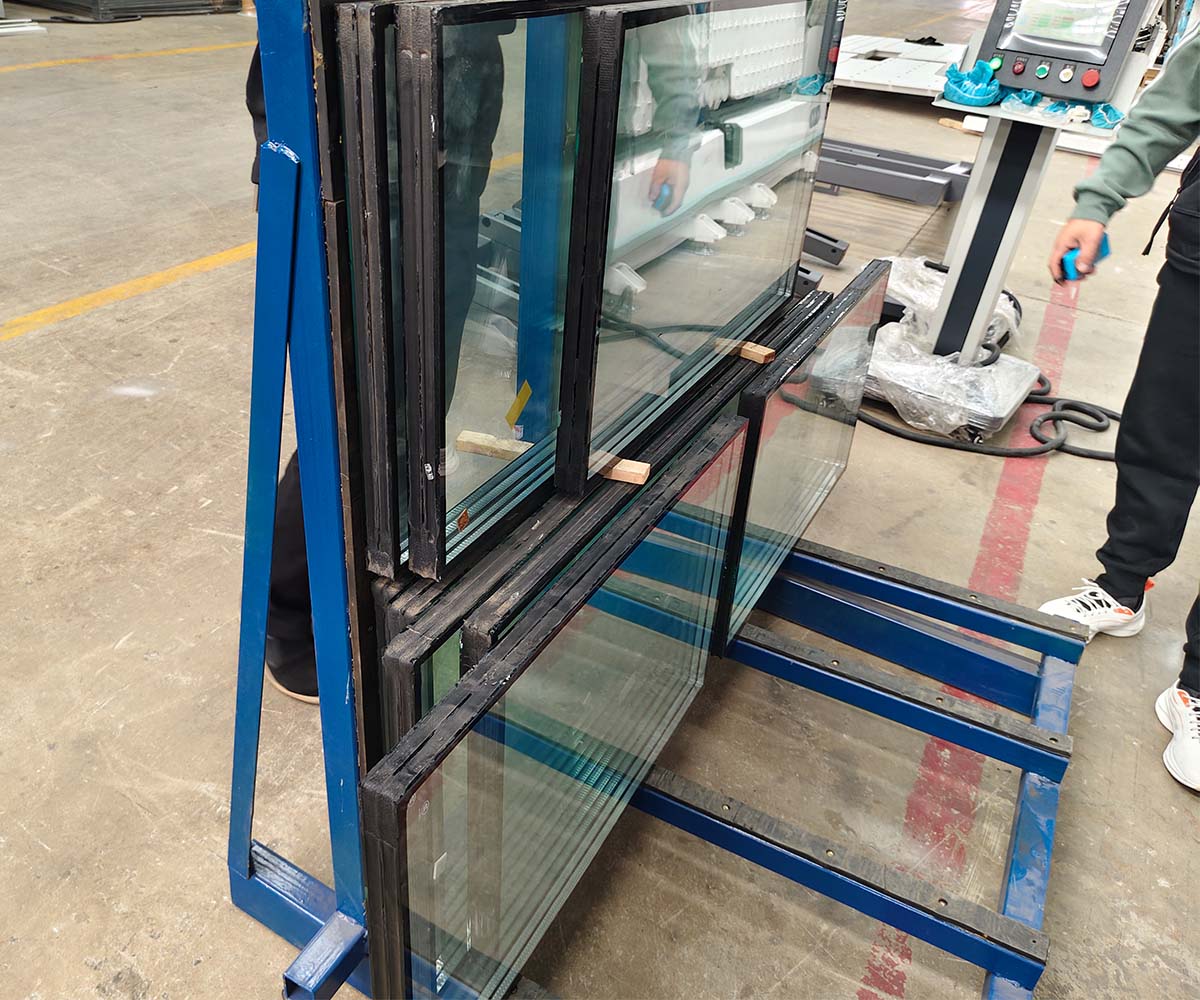
Final Thoughts
The purpose of commissioning is not simply to prove that the machines can start. It is to confirm that the complete IGU process can deliver stable products with the buyer’s glass, materials, utilities and operators.
A careful acceptance test may take more time at the beginning, but it can prevent repeated adjustments, production delays and unclear responsibility after installation. Before signing the final handover, check the complete process from clean glass and spacer preparation to pressing, gas filling, sealing, documentation and operator training.
Frequently Asked Questions
When should an IGU production line be commissioned?
Commissioning should begin after installation, utility connection and basic machine inspection are complete. The test plan should be agreed before the supplier’s technician arrives.
Should the buyer provide the test glass?
Whenever possible, yes. The buyer’s own glass, spacer and sealant provide a more realistic test than specially prepared demonstration materials.
Is machine speed enough for final acceptance?
No. Acceptance should also consider quality repeatability, changeover time, alarms, material waste, safety functions and operator usability.
What happens if some items fail during testing?
Record the issue clearly, including the machine section, sample product, alarm message and corrective action. The handover file should identify who will solve the issue and when it will be complet