English
 Español
 Português
 Русский
 Deutsch
 Francés
 العربية
 한국어
한국어
 Türk
Türk
 日本語
日本語

Molecular Sieve Filler Stops Early: What Should You Check First?
Molecular Sieve Filler Stops Early: What Should You Check First?
When a molecular sieve filling machine stops before the spacer is full, do not immediately increase the filling time or change several settings. Save the first affected frame and record exactly where the cycle ended. Then check the selected job, spacer position, filling holes, desiccant condition, material path and air supply in that order. If the cause is still unclear, record the displayed message and send the evidence to the equipment supplier. The correct setting depends on the machine, spacer and approved desiccant.
First, Define What “Stopped Early” Means
Operators may use the same description for several different problems:
The machine completes the cycle without an alarm, but too little material enters the spacer.
Material starts flowing and then slows down.
Only one section of the frame receives material.
The machine displays an alarm before filling begins.
Filling appears complete, but a later check finds an empty section.
These symptoms should not be treated as one fault. Mark the affected side of the frame, save the job information and note whether the problem occurs on every frame or only one spacer specification.
Repeating the start command without checking the result can produce more underfilled frames and remove useful evidence.
Check the Selected Job Before Adjusting the Machine
Begin with the information on the control screen. Confirm that the selected program belongs to the frame currently held by the machine.
Check the entered frame dimensions, spacer specification, required filling section and filling height or quantity setting used by that machine. Compare them with the production order and the approved setup record.
If the previous batch used a different frame size, the machine may be following an old program correctly. That is a job-selection problem rather than a mechanical failure.
Do not copy a setting from another spacer width simply because the outside frame dimensions are similar. The internal space and required desiccant quantity may be different.
Inspect the Frame and Filling Point
Next, examine the affected aluminum spacer frame. It should be positioned securely and match the specification selected on the machine.
Look for:
A frame that is not square
A damaged or flattened spacer section
A filling hole in the wrong position
A partially blocked opening
A connector or corner interfering with the internal path
Incorrect frame orientation
Movement while the machine is working
Compare the affected frame with a known good frame made from the same spacer profile. If only one frame fails, the frame itself deserves attention. If every frame of the same specification fails at the same stage, check the setup and machine sequence.
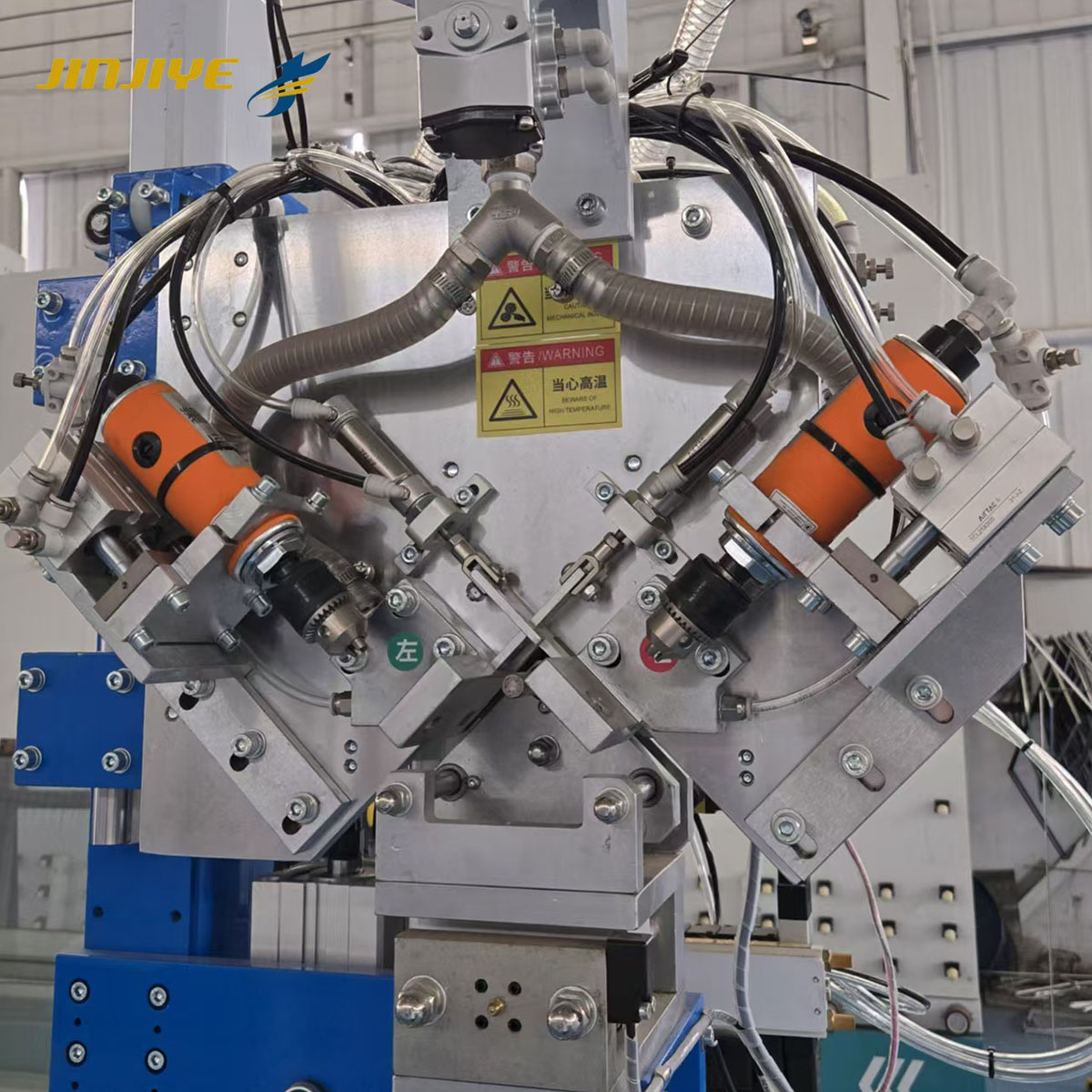
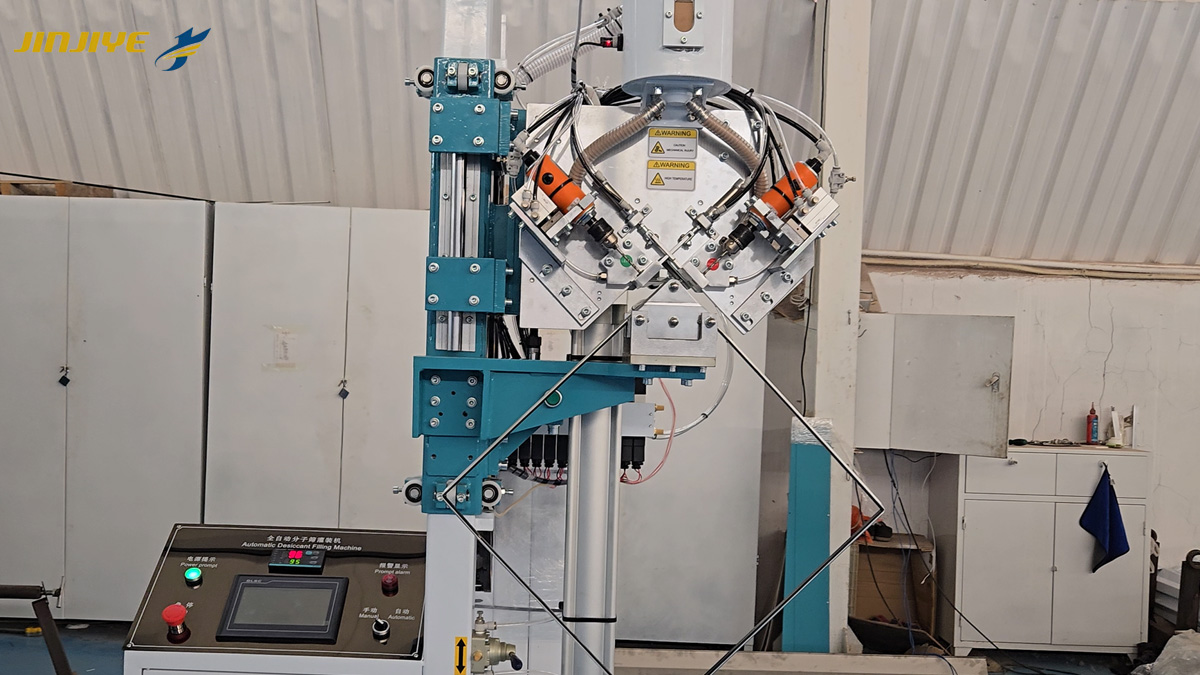
JINJIYE’s automatic desiccant filling machine combines several operations, but the exact sequence and inspection points must follow the manual supplied with the selected model.
Check the Molecular Sieve, Not Just the Hopper Level
A hopper containing material does not prove that the material can move through the system correctly.
Confirm the desiccant supplier, product grade, batch and particle-size range. Check how the package was stored and how long it remained open. Look for an unusual amount of broken beads, dust or clumped material.
The “3A” description refers to the molecular sieve’s pore type, not the physical size of the beads. This detail is easy to miss. Two products carrying the same 3A label may still have different particle-size ranges, and material that runs smoothly through one filler may not suit another. Check the supplier’s data sheet against the requirements of the machine before using the material in production.
If the trouble started after opening a new bag or changing suppliers, put that material aside and mark the batch number. Keep it separate from the material that previously ran without problems. Mixing the two batches will make a useful comparison much harder.
Inspect the Material Path Safely
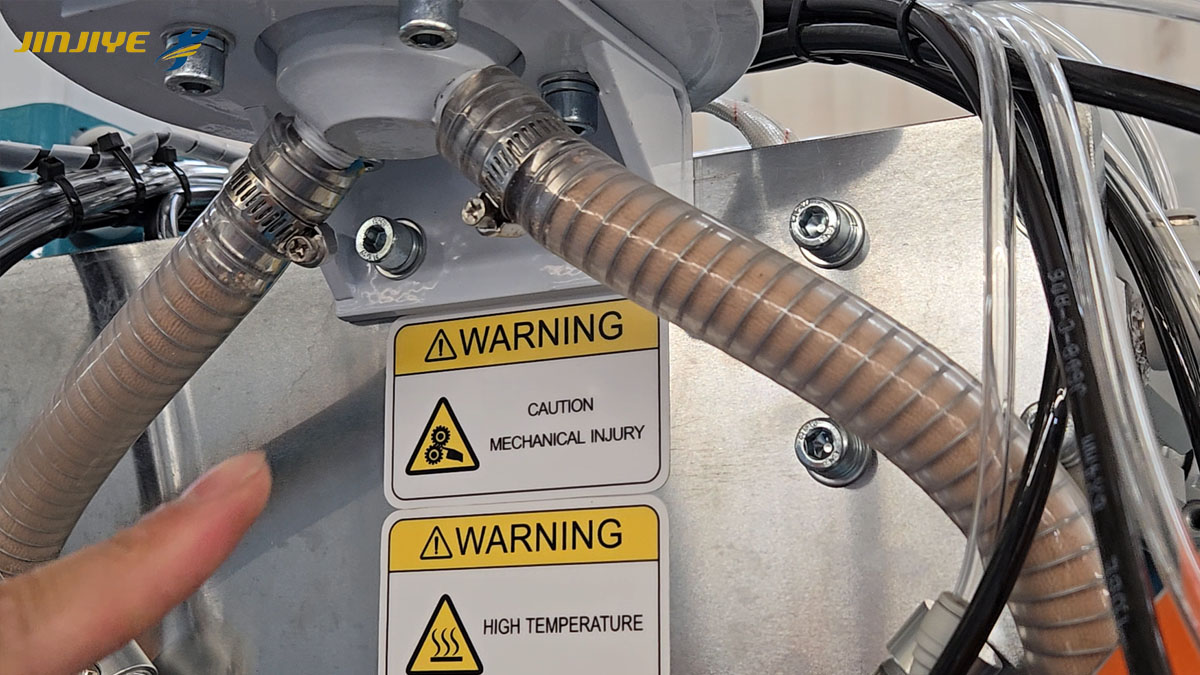
Check whether enough material is reaching the working container and then follow its route toward the filling head. Depending on the machine, the restriction may be near the hopper outlet, inside a feeding pipe, at a connection or close to the filling head.
Before removing a cover or disconnecting a pipe, stop and isolate the machine as described in its operating manual. Trying to blast a blockage through with workshop air may simply move the dust farther into the system. Use only the tools and cleaning method approved for that machine.
If the filling rate gradually became slower over several shifts, record when the feeding path was last inspected or cleaned. This information is more useful than saying the machine “sometimes fills slowly.”
Watch the Air Supply During the Cycle
An automatic aluminum spacer filling machine may behave normally while idle but lose stability when the filling cycle begins.
Check the machine’s indicated air condition during operation, not only the pressure shown at the main compressor. Other machines starting at the same time can create a temporary pressure drop. Moisture in the air-treatment system or a restricted pipe may also affect pneumatic operation.
Record what the gauge shows before and during the failed cycle. Do not raise the regulator beyond the approved setting. If the air supply is unstable, the factory’s maintenance team should inspect the system before changing the machine program.
Record the Exact Point in the Machine Sequence
Automatic filling depends on a sequence of confirmed actions. The frame may need to be positioned and held correctly before the filling stage can continue. A machine configured for automatic hole preparation and closure also needs those stages to finish in the intended order.
Write down:
The displayed alarm or message
The step shown on the screen
Whether the frame was clamped correctly
Whether the filling point was reached
Whether material started moving
Whether the same fault repeats in manual and automatic modes, where approved
The time and production job
Do not bypass a sensor or safety interlock to complete the frame. Send unexplained sequence faults to trained maintenance personnel or the equipment supplier.
Run a Controlled Comparison
After completing the basic checks, use one approved spacer specification for a controlled test.
Identify and weigh the frame before and after filling if weighing is part of the factory’s accepted inspection method. Repeat the test with several frames and keep the individual results. An average alone can hide one short-filled frame.
A weight change shows how much material entered the frame, but it may not prove that the material reached every intended section. Use the inspection method approved for the spacer and IGU system.
If changing one variable corrects the problem, confirm the result with another short run before releasing production.
When Should You Contact the Machine Supplier?
Contact the supplier when the fault repeats after the approved basic checks, when an alarm cannot be cleared according to the manual, or when inspection requires opening a protected machine area.
Send:
Machine model and identification
Alarm text or code
Video of one complete failed cycle
Control-screen photograph
Spacer profile and frame dimensions
Molecular sieve data sheet and batch
Air-supply reading during the cycle
Maintenance or cleaning work completed
Results from the controlled comparison
A short video showing the entire sequence is generally more helpful than several close-up clips with no timing or machine status.
Frequently Asked Questions
Can I Increase the Filling Time When the Spacer Is Underfilled?
Only if the approved procedure identifies the time setting as the cause. Increasing it without checking the spacer, material flow and selected job may hide the real problem.
Can Damp Molecular Sieve Cause the Machine to Stop?
Material exposed to moisture may change condition, but an early stop can have several causes. Inspect the material and machine sequence separately instead of diagnosing the fault from moisture exposure alone.
Why Does Only One Spacer Size Have This Problem?
That points toward the selected program, frame positioning, filling-hole arrangement or compatibility with that particular spacer. Compare it with a known good frame and send the exact profile to the supplier.
Does the Correct Fill Weight Prove the Whole Frame Is Filled?
Not always. Weight confirms the delivered quantity, not its location inside the frame. Use the approved inspection method for checking filling coverage.
Should the Operator Open the Filling System to Remove a Blockage?
Only where the machine manual permits it and after following the required isolation procedure. Protected components should be handled by trained personnel.
Fix the Cause Before Restarting the Batch
When a molecular sieve filling machine stops early, the fastest response is a controlled one: preserve the frame, define the symptom and change only one variable at a time.
Review JINJIYE’s desiccant filling machine range or send the machine information, spacer profile and fault video through the JINJIYE contact page for configuration or troubleshooting support.