English
 Español
 Português
 Русский
 Deutsch
 Francés
 العربية
 한국어
한국어
 Türk
Türk
 日本語
日本語

Why Secondary Sealing Limits IGU Output
Why Secondary Sealing Limits IGU Output
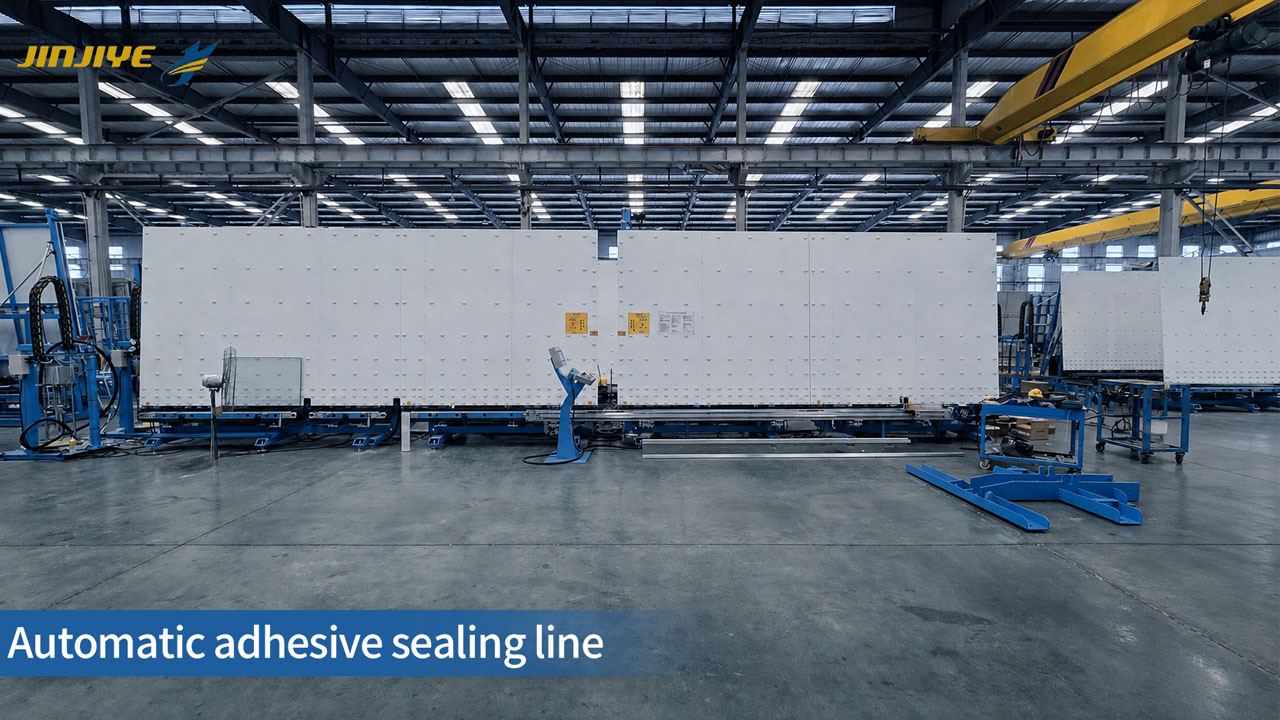
IGU secondary sealing is often treated as the final step of insulating glass production. In many factories, however, it is also the process that quietly limits daily output.
A production line may wash, position, assemble and press glass efficiently, but finished units can still accumulate before the secondary sealing station. When sealing cannot match the speed of the upstream processes, the factory produces more unfinished glass—not more saleable insulating glass units.
Understanding this bottleneck helps manufacturers decide whether they need better production planning, improved sealant control or an insulating glass sealing robot.
The Slowest Process Determines Factory Output
The capacity of an IGU factory is not determined only by the conveying speed of the main production line.
Actual output is limited by the slowest connected process, which may be:
Spacer frame preparation
Butyl coating
Glass assembly
Argon gas filling
Secondary sealing
Finished glass handling
For example, suppose the main line can assemble 100 units during one shift, but the sealing station can finish only 70. The real factory output is approximately 70 completed units, while the remaining glass waits for sealing.
This waiting creates additional handling, occupies workshop space and increases the risk of glass damage or production mix-ups.
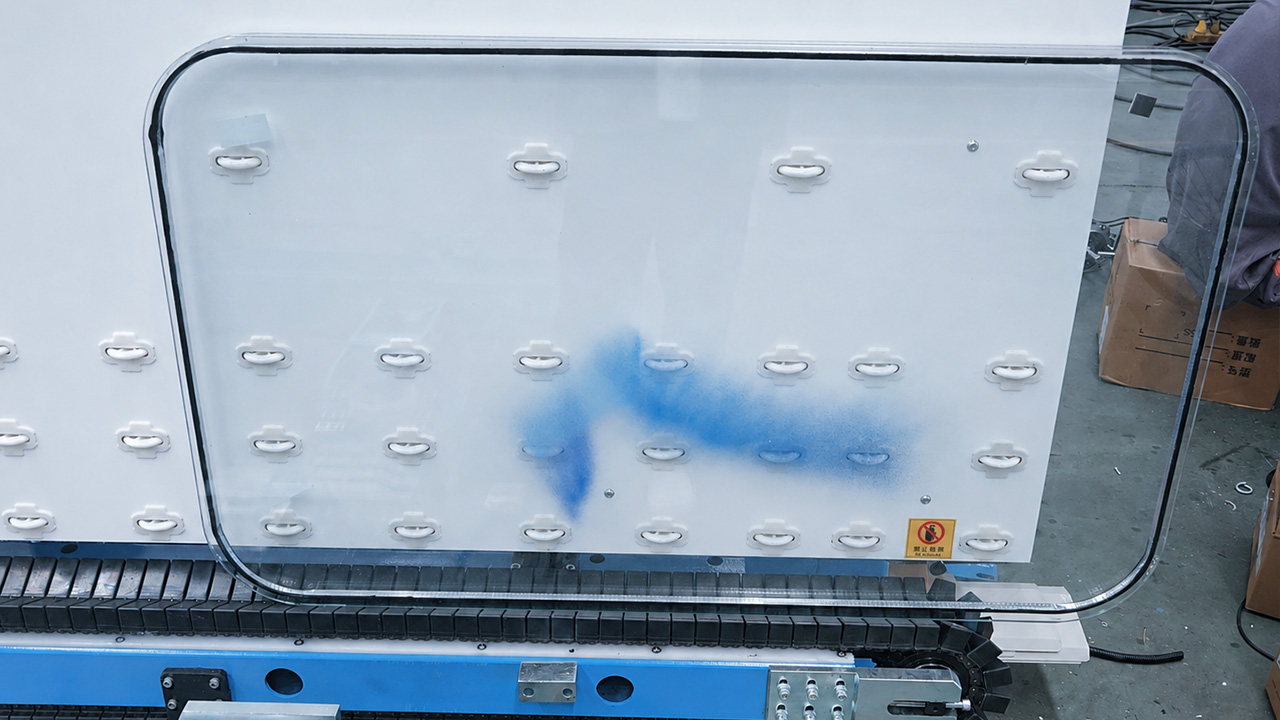
Five Signs That Sealing Is the Bottleneck
1. Finished Units Wait Beside the Production Line
The clearest warning sign is a growing queue of pressed IGUs waiting for secondary sealing.
A temporary queue is normal during production. A queue that continues to increase throughout the shift usually means the sealing process cannot match the upstream cycle.
Factories should record how many units are waiting at different times of the day instead of relying only on operator impressions.
2. Output Depends on One Skilled Operator
Manual secondary sealing requires experience, especially when processing large glass, narrow sealant spaces or frequent size changes.
When only one or two workers can produce an acceptable seal, the factory becomes dependent on individual operators. Production may slow significantly during absence, shift changes or recruitment periods.
This dependence also makes it difficult to maintain the same quality across different working shifts.
3. Sealant Quality Changes During the Shift
Manual application may become less consistent as operators become tired or production pressure increases.
Common variations include:
Uneven sealant depth
Incomplete corner filling
Irregular surface appearance
Air trapped inside the sealant
Sealant extending onto the glass surface
Insufficient filling near spacer connections
A finished edge may look smooth from the outside while still containing internal gaps. Sample units should therefore be checked by cross-section, not only by surface appearance.
4. Large or Triple-Glazed Units Take Much Longer
Large-size and triple-glazed units require more sealant and more careful handling.
They may also have:
Greater perimeter length
Wider or deeper sealant cavities
Higher finished weight
More difficult corner control
Longer turning and positioning time
A sealing process that works for standard residential double glazing may become too slow when the factory begins producing architectural or triple-glazed units.
5. Rework Is Concentrated at Corners
Corners are among the most difficult areas of secondary sealing.
Insufficient corner filling can create weak points in the edge seal. Excessive material, however, increases consumption and creates additional cleaning work.
Repeated corner defects may be related to operator technique, sealant supply stability, spacer positioning or machine-path control. The complete process should be checked before blaming only the sealant material.
Why Manual Sealing Falls Behind
Manual sealing may be suitable for a new factory, low production volume or highly irregular orders. Its limitations become more visible as output increases.
The operator must coordinate several tasks:
Position the IGU correctly.
Control the dispensing speed.
Maintain the correct sealant depth.
Fill all four corners.
Turn or move the glass safely.
Clean excess material.
Prepare the next unit.
The sealing speed therefore depends on glass dimensions, operator experience and material condition.
Frequent changes between small, large, double-glazed and triple-glazed products also reduce production rhythm. The main line may adjust automatically, while manual sealing still requires repeated repositioning and judgement.
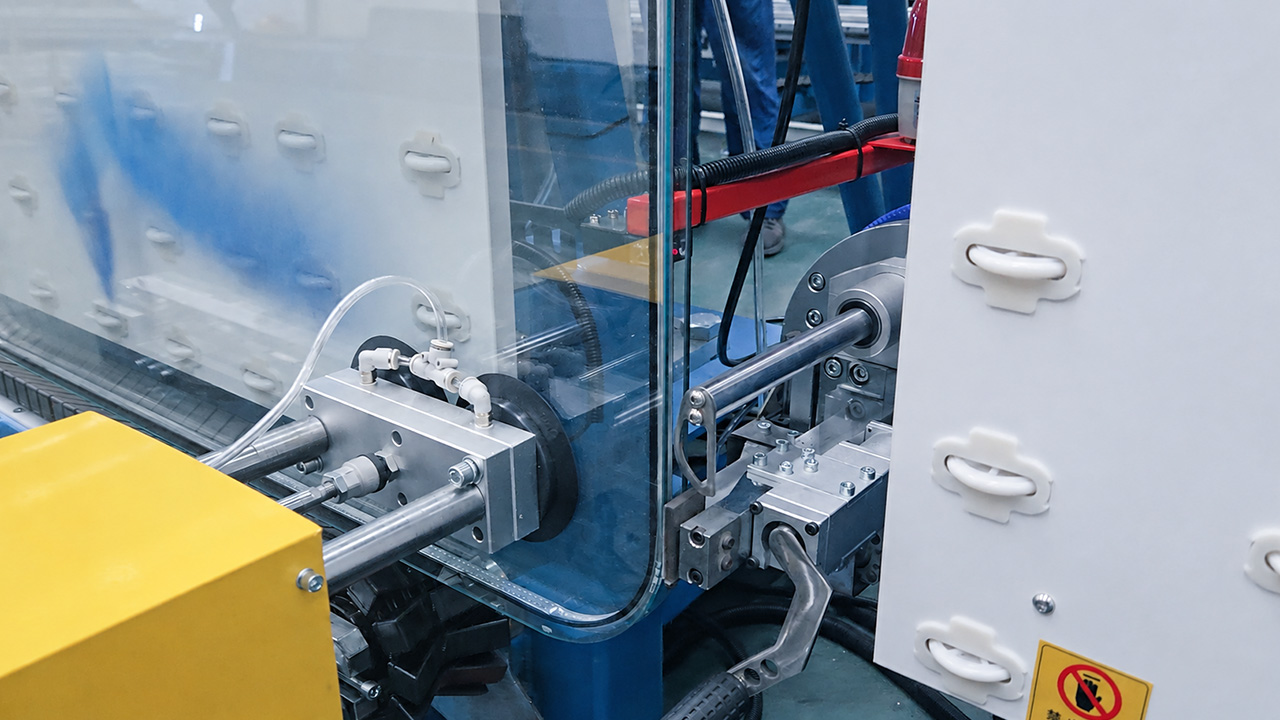
Sealing Quality Is More Than Surface Appearance
The purpose of secondary sealant is not only to create a clean-looking edge.
The seal also helps protect the IGU edge from mechanical stress and environmental exposure. Its performance depends on several factors:
Correct sealant type
Stable mixing ratio
Adequate sealant depth
Complete corner filling
Clean glass edges
Accurate spacer setback
Compatible materials
Suitable working temperature
An automatic glass sealing machine can improve application repeatability, but it cannot correct unsuitable materials, contaminated surfaces or an unstable sealant supply system.
The sealing robot, two-component extruder and material preparation process must operate as one coordinated system.
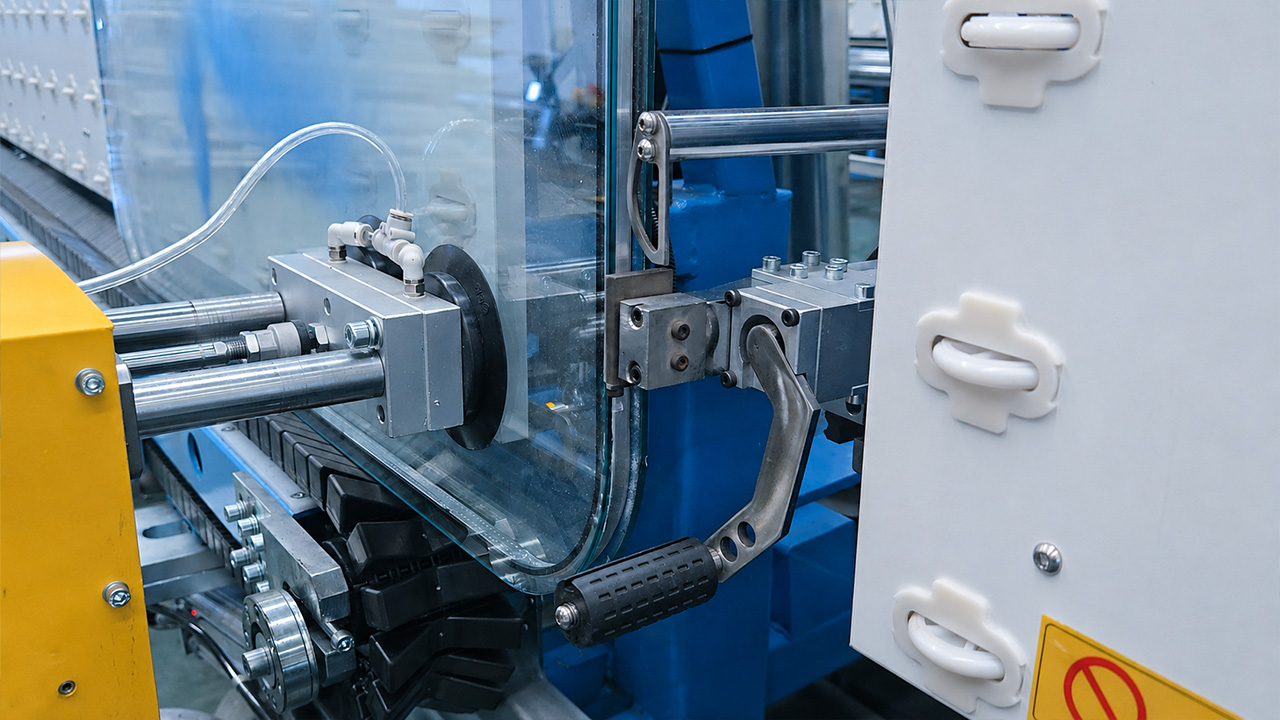
When Should a Factory Consider Automation?
An insulating glass sealing robot may be worth evaluating when the factory experiences one or more of the following conditions:
Finished IGUs regularly wait for sealing
Manual sealing requires too many workers
Sealant quality changes between shifts
Large or heavy glass is increasing
Triple-glazing orders are growing
Customer appearance requirements are becoming stricter
The factory plans to increase main-line capacity
Skilled sealing workers are difficult to recruit
Automation should not be selected only because it appears more advanced.
A small factory with limited daily orders may achieve a better return by first improving spacer preparation, material handling or production scheduling. The correct investment depends on the actual bottleneck.
What to Check Before Buying a Sealing Robot
Before requesting an equipment proposal, the buyer should provide complete production information.
Glass specifications
Minimum and maximum glass size
Glass thickness range
Maximum finished IGU thickness
Maximum finished unit weight
Spacer setback and sealing depth
Product structure
Double- or triple-glazing ratio
Percentage of rectangular and special units
Average daily order mix
Large-size glass percentage
Low-E or laminated glass requirements
Sealant information
Silicone, polysulfide or other material
Current sealant supply equipment
Mixing and dispensing method
Package size
Typical material consumption
Current quality problems
Factory conditions
Required output per shift
Available workshop space
Main production-line direction
Glass entry and exit direction
Local voltage and compressed-air conditions
Existing handling equipment
This information helps the supplier evaluate whether the sealing machine can integrate with the current process.
Do Not Upgrade the Sealing Station in Isolation
Installing a faster sealing robot does not automatically increase factory output.
The following processes must also keep pace:
Spacer frames must be prepared in the correct sequence.
Butyl coating must be stable and continuous.
The main line must provide properly assembled units.
Finished glass must be removed without delay.
Sealant drums and pumps must be changed efficiently.
Operators must receive training in machine setup and maintenance.
The correct objective is not to maximize the speed of one machine. It is to balance the entire IGU production flow.
How JINJIYE Approaches IGU Sealing Projects
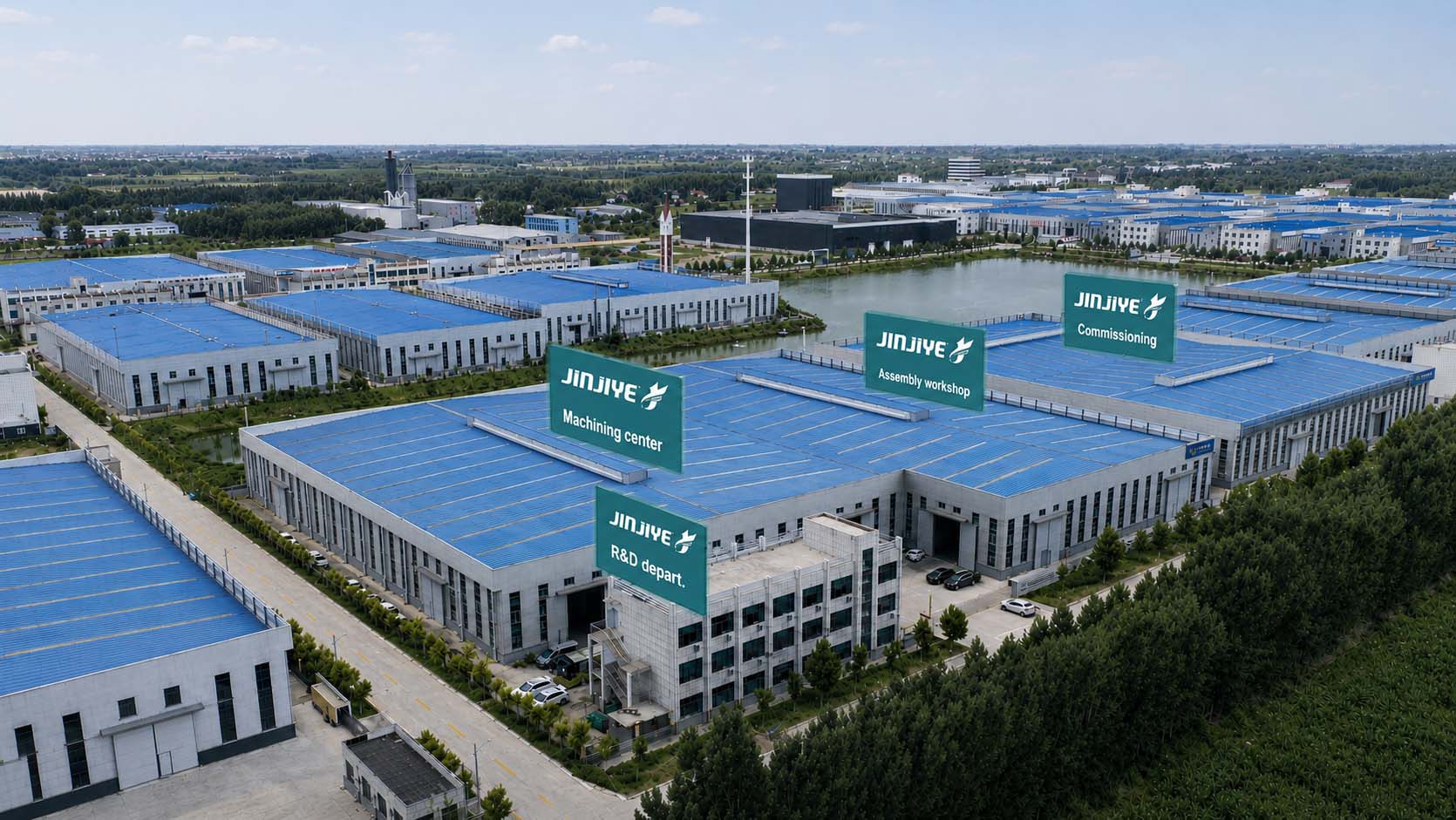
JINJIYE supplies insulating glass sealing equipment and complete IGU production solutions for new factories and existing line upgrades.
Before preparing a proposal, the configuration should be evaluated according to:
Actual glass dimensions
Daily production target
Product structure
Sealant type
Existing equipment
Workshop layout
Future expansion plan
This process helps avoid two common purchasing mistakes: choosing a machine that cannot match the product range, or investing in unnecessary capacity while another process remains the real bottleneck.
Request a Sealing Process Evaluation
Is secondary sealing limiting the output of your IGU factory?
Send JINJIYE:
A typical daily glass size list
Double- and triple-glazing ratio
Required output per shift
Sealant type
Current equipment list
Workshop layout
Photos or videos of the sealing process
JINJIYE can help evaluate whether the problem comes from equipment capacity, material supply, production layout or process coordination.
GET AN IGU SEALING SOLUTION
Frequently Asked Questions
Is manual sealing suitable for a small IGU factory?
Yes. Manual sealing may be practical when production volume is limited and skilled workers are available. Automation becomes more valuable when output, glass size or quality requirements increase.
Does a sealing robot reduce sealant consumption?
It can improve application consistency and reduce unnecessary overfilling, but actual consumption also depends on sealant depth, spacer setback, glass perimeter and machine settings.
Can a sealing robot process triple glazing?
This depends on the machine configuration, maximum IGU thickness, glass weight and sealing structure. Triple-glazing requirements must be confirmed before equipment selection.
Should the sealing robot match the main line speed?
Yes. The goal is to balance the upstream assembly process, sealing cycle and finished-glass handling rather than comparing maximum machine speeds separately.