English
 Español
 Português
 Русский
 Deutsch
 Francés
 العربية
 한국어
한국어
 Türk
Türk
 日本語
日本語

Changing Desiccant? Check Your Molecular Sieve Filling Machine
Changing Desiccant? Check Your Molecular Sieve Filling Machine
Before using a new desiccant supplier or bead grade, check that it suits both your insulating glass system and your molecular sieve filling machine. Confirm the material specification, check the permitted particle-size range, and run a documented trial with your actual spacers. The previous filling settings should not become the new production settings automatically. A successful trial needs to show that the machine delivers the required quantity consistently and that the material meets your IGU quality requirements.
Get Two Answers Before Opening the New Material
Purchasing may have found a better price or a more reliable delivery schedule. Production still needs two separate answers:
Is this desiccant acceptable for the insulating glass construction we manufacture?
Can our filler handle this grade with the intended spacer profile?
One answer does not replace the other.
A material can be suitable for insulating glass yet fall outside the bead-size range confirmed for a particular machine. Equally, beads passing through the filler do not prove that the completed IGU meets its required performance.
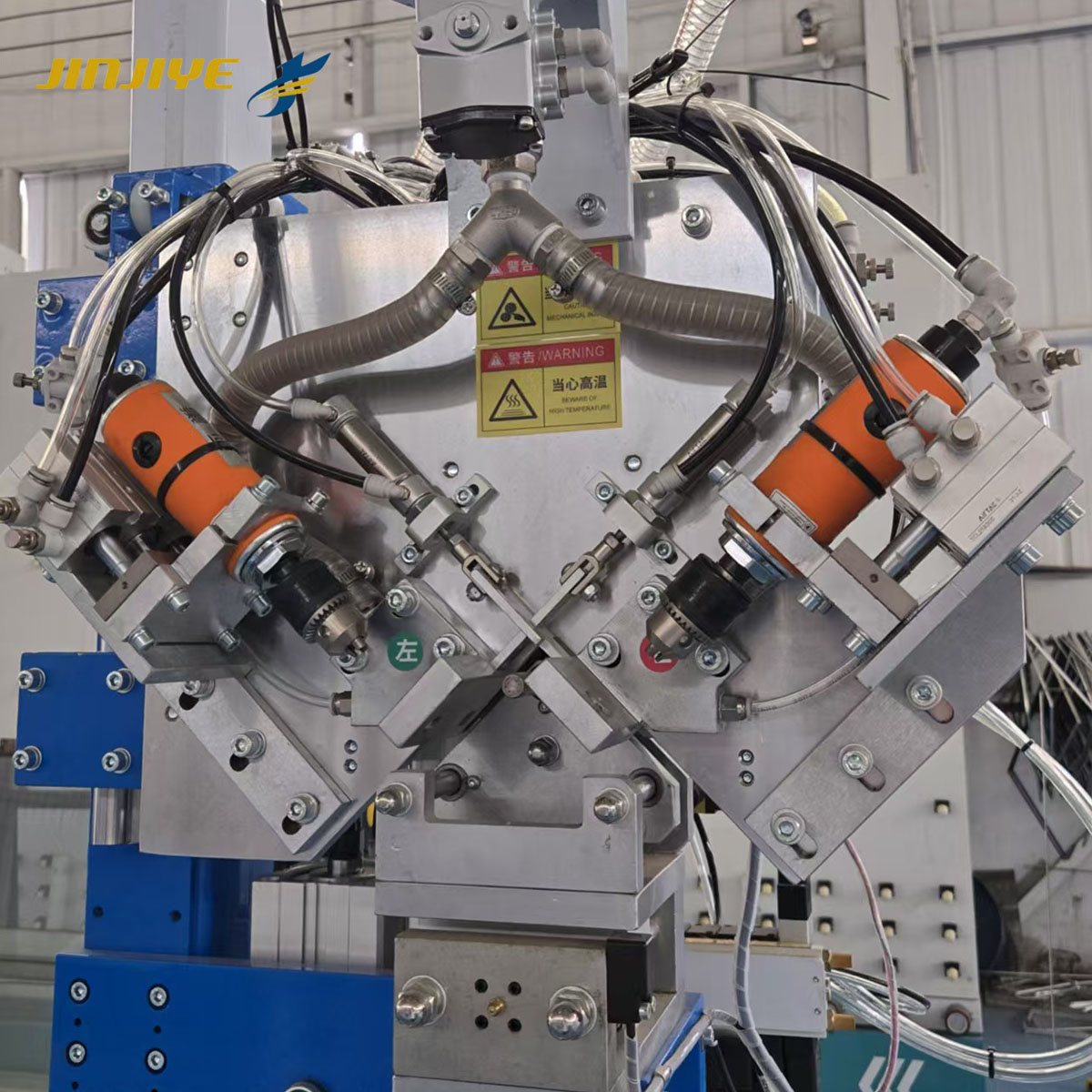
Send the proposed technical data sheet and spacer details to the equipment supplier. If you are ordering an automatic desiccant filling machine, include these materials in the agreed acceptance trial.
Read the Particle Size, Not Just the “3A” Label
The “3A” designation describes the molecular sieve’s pore structure. It is not the diameter of the bead passing through the filling system. Bead sizes are specified separately, normally in millimetres. SCHOLLGLAS’s IG desiccant data sheet illustrates this distinction by listing different particle-size grades for its 3A product.
Ask for the size range, not simply “small beads.” Compare it with the machine documentation and the spacer’s internal geometry.
Inspect the trial material for broken particles and visible fines. These observations help document its condition; they do not replace the supplier’s specified particle-size or dust tests. Do not assume that a smaller bead is automatically the better choice.
Recheck Desiccant Filling Quantity
The old and new materials may not weigh the same when they occupy the same space. Desiccant bulk density describes this mass-to-volume relationship. Technoform’s technical database identifies bulk density as a factor in the amount of desiccant needed to fill a spacer.
Use the quantity approved for the new material and IGU construction, rather than treating the previous weight as a universal target.
On a time-controlled filler, an unchanged timer setting is not proof of unchanged delivery. On a machine with another dosing method, check the actual result against its specified control and verification procedure.
Separate two questions:
How much material entered the spacer?
Use the agreed measurement method to check the delivered quantity and its variation between samples.
Does that quantity provide the required moisture capacity?
Use the approved IGU specification and the desiccant supplier’s performance data. Filling weight alone does not answer this question.
Molecular sieves are used for moisture adsorption within insulating glass, as described in Arkema’s application guidance. A weighing check measures quantity, not remaining adsorption capacity.
Run an Aluminum Spacer Filling Trial You Can Repeat
Agree on the trial method and acceptance limits before changing production. A practical record can follow this sequence:
Identify the material. Record the supplier, product grade, batch number and packaging condition. Follow the supplier’s handling instructions.
Identify the spacer. Record its profile, dimensions, construction and the sections intended to receive desiccant.
Keep the comparison controlled. Use the same spacer construction for the initial comparison. Document any change to the machine configuration.
Measure individual results. Where the approved method uses weighing, weigh each spacer before and after filling. Use a calibrated balance suitable for the expected mass difference. Account for plugs, sealing material or other components added between measurements.
Repeat the trial. Keep individual results, not only an average. The equipment supplier and your quality team should agree on sample numbers and acceptable variation.
Check the completed sample. Confirm the required filling coverage and closure using the approved inspection method. Weight alone cannot show where beads are located inside the frame.
If a result fails, hold the trial batch for review. Any adjustment or inspection must follow the machine manual and be performed by trained personnel. Resolve unexplained variation before releasing the new setup for production.
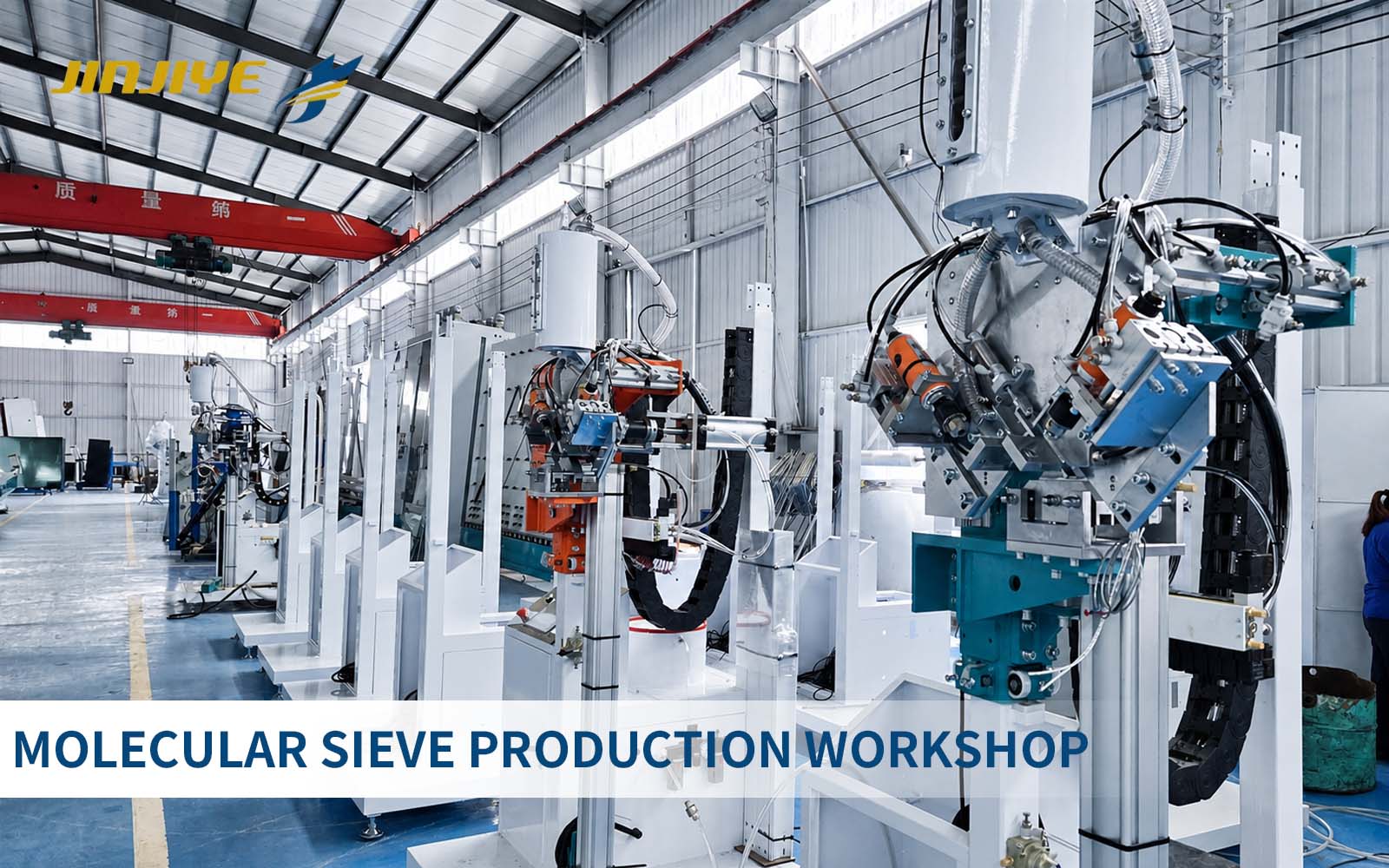
Record the Change Before Releasing Production
Factories working under an IGU certification program should check its substitution rules before approving a different desiccant.
The August 2026 IGCC directory, guideline A.DE.2, places conditions on replacing a desiccant supplier or model within the same generic type. These include the reviewed-material listing and maintaining or increasing adsorption capacity per perimeter foot, with additional provisions where applicable. The program also requires written communication of changes to certified products.
These are program-specific conditions, not a universal approval for every factory. Confirm the applicable requirements with your certification administrator.
Keep the material documents, trial results, approved settings and release decision together. The next shift should know which grade was approved, rather than finding only a handwritten timer value beside the screen.
Buyer Questions
Can one molecular sieve filling machine use different bead sizes?
Possibly, within its confirmed specifications. Ask the supplier to check the proposed grade and spacer profile. “Suitable for molecular sieve” is not a complete compatibility statement.
Can we use the same filling time after changing suppliers?
Only after verification. If your machine meters by time, compare actual delivery using an agreed trial. A supplier change does not automatically mean settings must change, but it does mean the old setting needs checking.
Is matching the previous filling weight enough?
No. It checks quantity, but not material performance or filling distribution. Your quality requirements must cover those separately.
Should every new batch require a complete machine reset?
Not automatically. A routine delivery of an already approved grade is different from changing supplier or specification. Follow your incoming-material checks and investigate results outside the approved limits.
Discuss Your Material Before Choosing the Filler
When contacting JINJIYE, send the desiccant data sheet, machine model if already installed, spacer profile and representative frame dimensions. Explain whether you are changing material or buying a new filler.
Contact JINJIYE to discuss the equipment requirements and whether a trial with your proposed materials can be arranged.